TECHNOLOGY
Wallapix: Complete Guide to Features, Benefits, Custom Printing, and User Experience


Wallapix is a modern photo printing and personalization platform designed to transform digital memories into tangible keepsakes. In an era where most photos remain stored on smartphones and cloud drives, Wallapix offers users the opportunity to bring those memories to life through high-quality prints and custom products. From canvas wall art to personalized gifts, Wallapix focuses on combining creativity with convenience.
As online customization services continue to grow in popularity, platforms like Wallapix are reshaping how people preserve their favorite moments. This article explores Wallapix in detail, covering its features, benefits, product categories, ordering process, quality standards, and overall user experience.
What Is Wallapix and How Does Wallapix Work
Understanding the Wallapix Platform Structure
Wallapix operates as an online customization and printing service. Users upload digital images, select product formats, personalize layouts, and place orders directly through the website.
The platform is designed for simplicity. The process generally includes:
-
Uploading photos
-
Selecting product type
-
Adjusting layout and size
-
Previewing final design
-
Confirming order
aims to make photo personalization accessible for both beginners and experienced users.
Key Features of Wallapix
Core Functionalities of Wallapix
To better understand the capabilities of , the following table outlines its primary features:
| Feature | Description | User Benefit |
|---|---|---|
| Photo Upload Tool | Easy image uploading system | Quick design start |
| Custom Layout Options | Adjustable templates | Creative flexibility |
| Multiple Print Sizes | Variety of dimensions | Tailored display |
| Preview Function | Real-time design preview | Reduced ordering errors |
| Secure Checkout | Protected payment process | Safe transactions |
These features help stand out in the competitive online printing market.
Wallapix Product Categories
Popular Products Available on Wallapix
offers various personalized items that cater to different needs and occasions.
Wall Art Prints
Canvas prints, framed photos, and posters are common offerings. These products help transform living spaces with meaningful visuals.
Photo Gifts
provides personalized gifts such as mugs, cushions, and decorative items suitable for birthdays, anniversaries, and holidays.
Collage Designs
Users can create multi-photo layouts to showcase multiple memories in one frame.
Wallapix Product Comparison Table
| Product Type | Ideal For | Customization Level |
|---|---|---|
| Canvas Print | Home décor | High |
| Framed Photo | Office display | Moderate |
| Photo Mug | Gift purposes | Moderate |
| Photo Collage | Memory collections | High |
| Poster Print | Event decoration | Flexible |
This range of products allows to serve diverse customer preferences.
Benefits of Using Wallapix
Why Customers Choose Wallapix
provides several advantages that attract users seeking personalized printing services.
Convenience
The entire customization and ordering process occurs online, eliminating the need to visit physical stores.
Creative Freedom
allows users to adjust layouts, sizes, and formats according to their preferences.
Personal Connection
Printed photos carry emotional value. helps preserve meaningful moments in tangible form.
How to Use Wallapix Step by Step
Ordering Process on Wallapix
Understanding the process makes ordering simple and stress-free.
| Step | Action | Purpose |
|---|---|---|
| Step 1 | Visit official website | Access Wallapix platform |
| Step 2 | Upload chosen photos | Begin customization |
| Step 3 | Select product type | Choose preferred format |
| Step 4 | Adjust layout and preview | Finalize design |
| Step 5 | Complete checkout | Confirm purchase |
This structured process enhances user confidence during customization.
Wallapix Print Quality and Materials
Quality Standards of Wallapix Products
Quality is a critical factor in photo printing. emphasizes durable materials and vibrant color reproduction.
Printing Technology
Advanced printing processes help maintain image clarity and color accuracy.
Material Durability
Canvas and frame materials are designed for longevity and resistance to fading.
Finishing Options
often provides finishing touches such as protective coatings or framing enhancements.
Wallapix User Experience and Interface
Design and Navigation of Wallapix
The user interface plays a significant role in customer satisfaction.
Simple Navigation
offers organized menus and clear product categories.
Responsive Layout
The website adapts to desktop and mobile devices, allowing users to design on the go.
Real-Time Preview
Preview features reduce uncertainty by showing customers the final look before ordering.
Wallapix Pricing and Value
Cost Structure of Wallapix Products
Pricing depends on size, material, and customization complexity.
| Factor | Pricing Influence |
|---|---|
| Print Size | Larger prints cost more |
| Material Type | Premium materials increase price |
| Framing Option | Additional cost |
| Shipping Location | Delivery charges vary |
aims to balance affordability with quality, offering competitive pricing within the personalization market.
Wallapix for Special Occasions
Using Wallapix for Events and Celebrations
Personalized products are popular for special events.
Birthdays and Anniversaries
Customized photo gifts add sentimental value.
Weddings
prints can serve as decorative displays or keepsakes.
Corporate Events
Branded prints or photo displays enhance professional gatherings.
Wallapix Customer Support and Reliability
Support Services Offered by Wallapix
Reliable customer service contributes to overall satisfaction.
| Support Feature | Benefit |
|---|---|
| Online Help Center | Quick answers to common questions |
| Email Support | Direct communication |
| Order Tracking | Shipment transparency |
| Refund Policy | Consumer protection |
Clear support channels build trust and credibility.
Wallapix Compared to Other Printing Platforms
What Makes Wallapix Unique
Comparing with similar services highlights potential distinctions.
| Comparison Factor | Wallapix | Typical Printing Service |
|---|---|---|
| Custom Layout Tools | Extensive | Limited |
| Online Preview | Yes | Sometimes |
| Mobile Compatibility | High | Varies |
| Product Variety | Wide | Moderate |
Wallapix’s emphasis on customization flexibility may appeal to creative users.
SEO Visibility and Digital Presence of Wallapix
Online Reach of Wallapix
benefits from structured digital marketing strategies that improve visibility. Optimized content, mobile responsiveness, and intuitive navigation contribute to discoverability.
Search engine optimization ensures that customers searching for personalized printing services can easily find .
Future Potential of Wallapix
Growth Opportunities for Wallapix
The demand for personalized products continues to rise. may expand by:
-
Introducing new product lines
-
Enhancing customization tools
-
Improving shipping efficiency
-
Expanding international reach
Continuous innovation will likely strengthen Wallapix’s position in the online printing industry.
Final Thoughts on Wallapix
offers a convenient and creative platform for transforming digital memories into high-quality physical products. With customizable layouts, multiple product options, and user-friendly navigation, caters to individuals seeking personalized décor and meaningful gifts.
By combining convenience, quality, and flexibility, provides a practical solution for preserving cherished moments. Whether designing wall art or creating custom gifts, users can rely on for a streamlined and engaging experience.
If you would like, I can now write the separate 1300-word SEO-optimized article on Immaculate Grid with full structure, tables, keyword placement, and meta description as well.


The NLP Problem Hidden in Plain Sight
Most risk adjustment software uses natural language processing (NLP) to extract diagnosis information from clinical notes. Early NLP systems were rule-based: they matched specific text patterns to diagnosis codes using hand-built dictionaries. Newer systems use machine learning models trained on annotated clinical text. Both approaches are marketed as “AI-powered” coding assistance. Neither, in its standard form, is adequate for the documentation quality assessment that current enforcement demands.
The gap is between extraction and evaluation. Standard NLP is designed to extract: identify that a clinical note contains language related to diabetes, CKD, or heart failure. It reads the text and recognizes medical concepts. That’s extraction. What it doesn’t do, without purpose-built clinical reasoning, is evaluate whether the documentation around that concept constitutes adequate evidence of active management.
Finding “diabetes mellitus type 2” in a clinical note is extraction. Determining that the note contains a current A1C result (monitoring), a provider assessment of glycemic control (assessment), and a medication adjustment decision (treatment), which together satisfy MEAT criteria, is evaluation. The first task is pattern recognition. The second requires clinical reasoning that standard NLP models weren’t designed for.
Why This Gap Produces Audit Failures
The OIG’s March 2026 audits provide direct evidence of this gap’s consequences. Error rates between 81% and 91% weren’t driven by systems failing to find diagnoses. The diagnoses were found. They appeared in charts. They mapped to HCCs. The failure was that the documentation didn’t prove active management. “History of stroke” was found by NLP and coded as an active HCC, but no current neurological management was documented. “DM2” was found and coded, but the note said “stable, continue meds” without any monitoring or assessment detail.
Standard NLP found these diagnoses correctly. It did its job. The problem is that finding a diagnosis and proving it’s actively managed are fundamentally different tasks. Systems that only do the first produce high identification rates and high audit failure rates simultaneously. The metrics look good. The audit outcomes don’t.
What Clinical Reasoning AI Does Differently
Purpose-built clinical AI for risk adjustment goes beyond extraction to evaluation. When the system identifies a diagnosis mention, it doesn’t just flag the concept. It searches the surrounding documentation for specific evidentiary elements: Is there a lab result demonstrating monitoring? Is there provider assessment language? Is there a documented treatment decision? Is there evidence of follow-up planning?
Each element maps to a specific MEAT criterion. The system presents the coder with a structured evidence assessment: “DM2 identified. Monitoring: A1C 7.2 referenced in note. Assessment: ‘glycemic control improved’ noted. Treatment: ‘continue metformin 1000mg, add SGLT2’ documented. MEAT status: 3 of 4 elements present.” The coder validates the assessment rather than performing it from scratch.
When evidence is missing, the system flags the gap explicitly: “History of stroke identified. Monitoring: no current neurological labs or imaging. Assessment: no provider assessment of neurological status. Treatment: no active stroke management documented. MEAT status: 0 of 4 elements present. Recommendation: do not submit without current management evidence.”
This output gives the coder the information needed to make a defensible decision. Submit where evidence is strong. Query the provider where evidence is missing but the condition appears clinically active. Skip where the documentation can’t support the code.
The Capability That Matters
Plans evaluating risk adjustment software should test whether the system performs clinical reasoning or just NLP extraction. Feed it a chart where a diagnosis appears in the problem list but has no MEAT evidence in the encounter note. If the system recommends the code, it’s doing extraction. If it flags the MEAT gap and recommends against submission, it’s doing evaluation. That distinction is the difference between technology that produces volume and technology that produces defensibility.
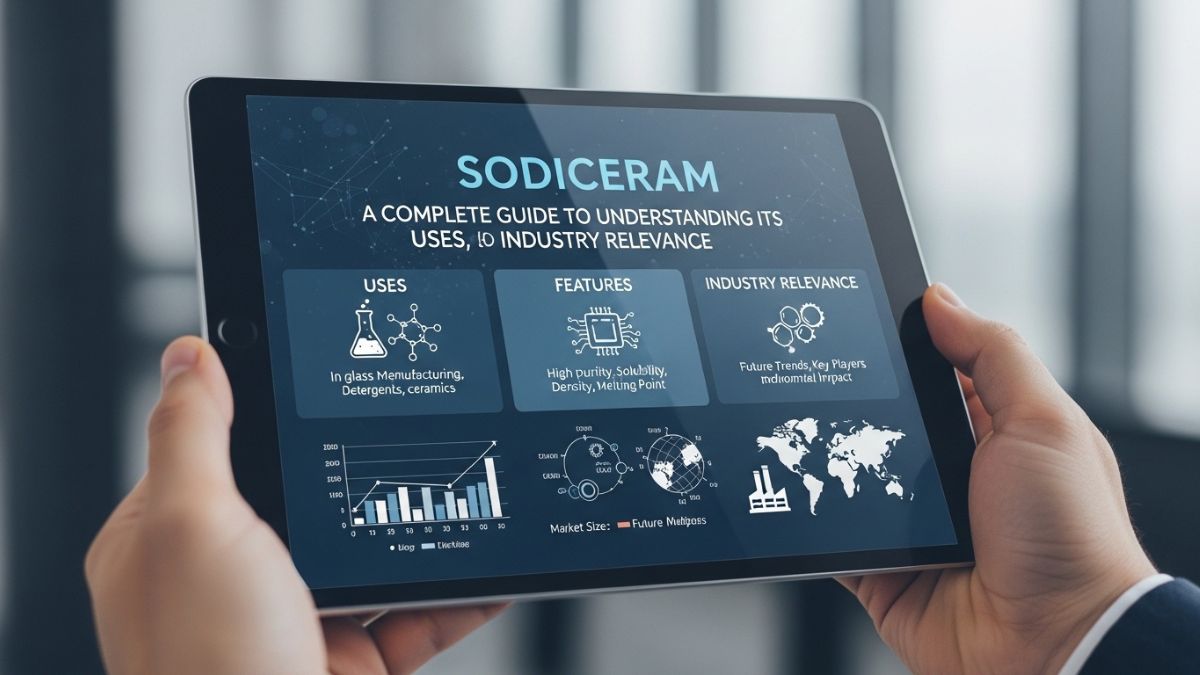
Sodiceram is a term that may be associated with ceramic materials, industrial solutions, specialized products, or branded applications depending on context. As interest in advanced materials and specialized manufacturing continues to grow, Sodiceram has gained attention among those researching product innovation, performance characteristics, and potential industrial uses. Understanding Sodiceram involves exploring its features, possible applications, material-related advantages, and broader relevance.
Whether referenced in relation to ceramic technologies, engineered materials, or product-focused solutions, Sodiceram can be examined through its practical value, durability considerations, and possible performance benefits. For businesses, buyers, and researchers, evaluating often involves understanding where it may fit and how it may offer advantages.
This guide explores , including possible uses, features, benefits, considerations, and future trends.
What Is Sodiceram
may refer to a concept associated with ceramic-based materials, products, or systems.
Depending on context, it may relate to:
Industrial applications
Material solutions
Surface technologies
Specialized ceramic products
Engineered components
| Category | Possible Relevance |
|---|---|
| Industrial Materials | Performance applications |
| Surface Technologies | Functional use |
| Ceramic Components | Structural support |
| Specialized Products | Targeted solutions |
Its interpretation may vary by industry context.
Core Features of Sodiceram
may be associated with several important features.
Potential features may include:
Durability
Heat resistance
Material stability
Structural reliability
Functional versatility
| Feature | Possible Benefit |
|---|---|
| Durability | Long-term use |
| Heat Resistance | High-temperature suitability |
| Stability | Reliable performance |
| Versatility | Broader applications |
These characteristics often influence interest.
Possible Applications of Sodiceram
may be discussed across several application areas.
Industrial Uses
Potential industrial applications may include:
Manufacturing processes
Specialized components
Protective surfaces
Performance materials
Commercial Uses
Possible commercial uses may include:
Product integration
Surface solutions
Functional installations
Technical Uses
Some technical contexts may involve:
Engineered systems
High-performance environments
Specialized support roles
| Application Area | Potential Use |
|---|---|
| Industrial | Process support |
| Commercial | Functional solutions |
| Technical | Specialized systems |
Application suitability often depends on needs.
Material Properties Associated With Sodiceram
Material-related performance often shapes evaluation.
Possible properties may include:
Hardness
Resistance qualities
Structural consistency
Environmental tolerance
| Property | Why It Matters |
|---|---|
| Hardness | Durability support |
| Resistance | Performance protection |
| Structural Consistency | Reliability |
| Environmental Tolerance | Broader use potential |
Material properties often affect value.
Benefits of Sodiceram
Potential benefits may include:
Long service life
Performance stability
Application flexibility
Support for demanding conditions
| Benefit | Possible Impact |
|---|---|
| Longevity | Better value potential |
| Stability | Consistent performance |
| Flexibility | Wider usefulness |
| Condition Support | Better durability |
These benefits may influence adoption.
Sodiceram in Industrial Environments
Industrial use often emphasizes performance.
Possible priorities may include:
Reliability under stress
Resistance support
Durability in demanding settings
Operational consistency
| Industrial Need | Potential Relevance |
|---|---|
| Reliability | Stronger performance |
| Resistance | Protection support |
| Durability | Long-term value |
| Consistency | Operational stability |
These factors may matter in industrial evaluation.
How to Evaluate Sodiceram
Evaluating may involve considering:
Application fit
Material requirements
Performance expectations
Environmental conditions
Budget considerations
Evaluation Factors
| Priority | Focus |
|---|---|
| Application Fit | Practical suitability |
| Material Needs | Functional alignment |
| Performance Goals | Expected outcomes |
| Budget | Value assessment |
Evaluation often improves decisions.
Sodiceram and Durability Considerations
Durability is often a major factor.
Areas to consider may include:
Wear resistance
Long-term performance
Maintenance needs
Environmental exposure tolerance
| Durability Factor | Possible Benefit |
|---|---|
| Wear Resistance | Extended usability |
| Long-Term Stability | Reliability |
| Maintenance Needs | Operational efficiency |
| Exposure Tolerance | Broader applications |
Durability often supports value.
Common Mistakes When Assessing Sodiceram
Some mistakes may limit effective evaluation.
Examples include:
Ignoring application requirements
Overlooking material properties
Focusing only on cost
Not reviewing long-term performance
| Mistake | Potential Problem |
|---|---|
| Poor Fit Analysis | Limited performance |
| Ignoring Properties | Weak alignment |
| Cost-Only Focus | Lower value |
| No Long-Term Review | Hidden risks |
Avoiding these issues may improve decisions.
Sodiceram Compared by Key Factors
Different priorities may shape comparison.
| Comparison Factor | Evaluation Focus |
|---|---|
| Durability | Long-term performance |
| Flexibility | Application range |
| Stability | Reliability |
| Value | Practical return |
Comparison often helps selection.
Sodiceram and Maintenance Considerations
Maintenance may affect long-term outcomes.
Potential considerations may include:
Cleaning requirements
Inspection routines
Operational monitoring
Performance checks
| Maintenance Area | Benefit |
|---|---|
| Cleaning | Better upkeep |
| Inspection | Problem prevention |
| Monitoring | Performance support |
| Checks | Consistency |
Maintenance may support longevity.
Sodiceram in Commercial Applications
Commercial settings may prioritize:
Durability
Visual consistency
Functional performance
Cost efficiency
| Commercial Need | Potential Benefit |
|---|---|
| Durability | Longer use |
| Consistency | Better appearance |
| Performance | Functional value |
| Cost Efficiency | Budget support |
Commercial priorities may differ from industrial needs.
Common Questions About Sodiceram
What is Sodiceram?
may refer to a ceramic-related product, system, or material solution depending on context.
What are the benefits of Sodiceram?
Potential benefits may include durability, stability, and application flexibility.
Where can Sodiceram be used?
Possible uses may include industrial, commercial, and specialized technical environments.
How should Sodiceram be evaluated?
Evaluation often depends on performance needs, material fit, and long-term value.
Key Insights About Sodiceram
Several themes often matter most.
| Key Insight | Explanation |
|---|---|
| Fit Matters | Application alignment is important |
| Durability Supports Value | Longevity matters |
| Material Properties Matter | Performance depends on properties |
| Maintenance Supports Outcomes | Care affects results |
These insights often support stronger choices.
Future Trends Related to Sodiceram
Innovation may continue shaping interest.
Important trends may include:
Advanced material development
Higher-performance applications
Broader commercial uses
Improved engineering solutions
| Trend | Potential Benefit |
|---|---|
| Material Innovation | Better performance |
| Expanded Applications | Broader use |
| Engineering Advances | Improved solutions |
| Commercial Growth | Increased relevance |
These trends may influence future development.
Building a Strategy Around Sodiceram Selection
A practical approach may include:
Defining needs
Comparing material factors
Evaluating durability
Reviewing value considerations
| Strategy Step | Purpose |
|---|---|
| Define Needs | Better direction |
| Compare Factors | Informed selection |
| Evaluate Durability | Long-term planning |
| Review Value | Smarter decisions |
Structure often improves outcomes.
Sodiceram and Value Considerations
Value often depends on more than price.
Questions to consider:
Does it meet performance needs?
Is durability aligned with use?
Does it support long-term value?
Does it fit the intended application?
| Value Factor | Importance |
|---|---|
| Performance Fit | High |
| Durability | High |
| Application Match | High |
| Budget Alignment | Important |
The best value often depends on fit.
Practical Factors Before Choosing Sodiceram
Before choosing , some may review:
Use environment
Operational demands
Maintenance expectations
Performance priorities
| Practical Factor | Why It Matters |
|---|---|
| Use Environment | Suitability |
| Operational Demands | Performance fit |
| Maintenance Expectations | Lifecycle planning |
| Priorities | Better decisions |
Practical review often supports selection.
Conclusion
Sodiceram may represent a relevant option in contexts involving ceramic-related materials, specialized products, or performance-focused solutions. Its value often depends on factors such as durability, application fit, material properties, and long-term reliability.
By evaluating features, comparing priorities, and considering practical needs, buyers and decision-makers can make more informed choices related to .
For those exploring performance materials or specialized solutions, understanding can provide a stronger foundation for smarter decisions.
-

 BLOG6 months ago
Zuschneidfelle: Its Importance in Modern Craft and Material Processing
-

 TECHNOLOGY6 months ago
GlarklyHub: A Complete Guide to Understanding Its Digital Impact and Growing Popularity
-

 TECHNOLOGY6 months ago
Cjmonsoon: Its Meaning, Digital Presence, and Growing Popularity
-

 TECHNOLOGY4 months ago
Qiowofvuhoz: The Ultimate Guide to Understanding Its Meaning and Digital Impact
-

 TECHNOLOGY6 months ago
Plangud: The Ultimate Guide and Its Digital Potential
-

 BUSINESS5 months ago
Banking OpenFuture World: The Evolution of Modern Financial Systems
-

 TECHNOLOGY6 months ago
Fappelo: A Complete Guide to Digital Innovation and Brand Growth
-

 TECHNOLOGY6 months ago
Gessolini: The Meaning, Digital Presence, and Growing Online Interest