TECHNOLOGY
GlobalUnpaid Com: What the Site Is, What It Is Not, and How to Read It Safely


If you typed globalunpaid com into a search bar, you probably expected a payment portal, a wage-recovery service, or a rewards site. The name points that way. What shows up is different. Public descriptions of the domain point to a multi-topic content website, not a government office and not a company that collects unpaid invoices.
That gap between the name and the page is why the query keeps circulating. People want a straight answer before they click, share personal details, or treat an article as advice. This guide covers what independent write-ups actually say about the site, where the name creates confusion, and how to judge any page you land on.
What GlobalUnpaid Com Actually Refers To
Globalunpaid com is the common search phrasing for GlobalUnpaid.com. Domain records place the registration on March 18, 2023, with a renewal window running into 2034. Technical lookups show the site resolving through Cloudflare addresses in the United States and redirecting to the www version. The page title associated with the domain is simply “Global Unpaid.”
That footprint confirms a real website. It does not confirm a business license, a named publisher, or a regulated financial service. Ownership is not clearly disclosed in the public sources that review the domain. Treat any article that names a founder as a claim you still need to verify on the site itself.
Recent explainers describe GlobalUnpaid.com as a general-interest publisher. Reported sections include technology, finance, business, education, health, travel, real estate, automotive topics, and even fishing. Some marketplace listings also mention paid placements, which is common on multi-niche blogs that accept contributed articles.
Why the domain name misleads readers
“Unpaid” is a loaded word. It shows up in wage claims, contractor invoices, and debt stories. Pair it with “global,” and the domain sounds like an international recovery desk. Searchers then arrive with a job problem or a missing payment and scan the homepage for a claim form.
A content site does not solve that problem. If your goal is a paycheck, an invoice, or a benefits decision, you need the employer, the labor agency, or a licensed adviser. A blog post can explain a process. It cannot file the claim for you.
How People Use the Site
Most visits appear to start from a search, not from a login. Readers look for a short explanation of a software topic, a finance habit, a travel idea, or a workplace question. The site is described as open in a browser, without a required account for ordinary articles.
Marketers sometimes look at sites like this for a different reason. Multi-niche blogs often accept guest posts or sponsored placements. A contributor gets a byline and a link. The publisher gets fresh pages. That model can be legitimate, but quality swings hard from one author to the next.
Here is a practical snapshot of what public descriptions associate with the domain.
| Area | What public information indicates |
|---|---|
| Site type | Multi-topic informational publisher |
| Reported topics | Technology, business, finance, health, travel, education, property, automotive |
| Access | Ordinary articles described as free in a browser |
| Domain start | Registered March 18, 2023 |
| Ownership | Not clearly established in public reviews |
| Wage or debt service | No reliable evidence that it operates as one |
| Government link | No reliable evidence of an official affiliation |
Use that table as a filter, not a verdict. A category label does not prove an article is accurate.
A reader example
Imagine you search for a plain explanation of refinancing a vehicle loan. A result from a general blog may outline terms and common fees. That can help you prepare questions. It should not replace the lender’s disclosure or a local consumer-finance guide. Cross-check numbers, dates, and legal claims before you act.
What the Site Is Not
Clarity here saves time. Available descriptions do not identify GlobalUnpaid.com as any of the following:
- A labor department or wage-recovery agency
- A debt-collection firm or invoice-recovery service
- A bank, payment processor, or government benefits portal
- A verified survey or task site that pays users for clicks
Older write-ups sometimes blend this domain with “online earning” language. That mix comes from the name, not from a documented payout system. Later reviews that look at the visible content describe articles, not task dashboards. If a page asks you to pay a fee to “unlock earnings,” leave.
For actual unpaid wages, use the channel that has authority in your country. In the United States, the Department of Labor’s Wage and Hour Division handles many federal wage questions. In the United Kingdom, Acas is the usual first stop for workplace disputes. Those bodies can take a complaint. A content site cannot.
How to Judge a Page on GlobalUnpaid Com
A domain can be real and still publish uneven articles. Judge the page in front of you, not the brand name.
Start with four checks.
- Who wrote it, and is that person named?
- When was it published or updated?
- Does it cite a primary source, or only other blogs?
- Does it push a product, a guest link, or a signup before it answers the question?
If the topic is health, money, or law, raise the bar. A general explainer is a starting point. Decisions belong with a clinician, a regulated adviser, or the official rulebook.
| Check | Strong signal | Weak signal |
|---|---|---|
| Author | Named writer with a relevant background | Anonymous or generic byline |
| Date | Clear publish and update dates | No date, or a date that never changes |
| Sources | Links to official or primary documents | Only other unexplained blogs |
| Commercial tone | Disclosure of sponsored or guest content | Hard sell with no disclosure |
| Scope | States what it does not cover | Presents opinion as a rule |
Safety habits that actually matter
You do not need an account to read a typical article, based on public descriptions. Still, treat forms with care. Do not enter payment details, identity numbers, or workplace files on an unfamiliar content site. Check the address bar for the exact domain before you type anything. Phishing pages often copy a familiar name with one changed letter.
A lock icon means the connection is encrypted. It does not mean the publisher is accurate or regulated.
Pros and Cons
Every multi-niche blog has the same tradeoff. Breadth brings casual readers. It rarely builds deep authority in one field.
Pros:
- Several everyday topics sit in one place, which is handy for a quick overview.
- Articles are often written in plain language.
- You can usually read without creating an account.
- Contributors get a simple publishing outlet.
Cons:
- The name confuses people who need wage or debt help.
- Authorship and ownership are thinly documented.
- Quality can change from one post to the next.
- A wide topic list weakens specialist trust.
- Important claims still need a second source.
If you only want a light introduction, the pros can be enough. If you are making a money or legal decision, the cons should send you elsewhere.
Common Mistakes
Readers trip on the same few errors.
First, they treat the domain as an official unpaid-wages portal. The wording invites that mistake. The published role does not match it.
Second, they trust a single blog post on tax, medicine, or employment law. Those subjects change by country and by year. A general article rarely carries the exception that applies to you.
Third, they assume a guest post is an endorsement. A contributed article may exist because someone paid for placement or traded a link. Read the disclosure, then read the claims.
Fourth, they share personal data because a popup looks official. Content sites do not need your national ID to show an article.
Fifth, they ignore the date. A 2023 explainer on software pricing or loan rules can be stale by the time you read it.
Best Practices for Using the Site
You can still get value from a general publisher if you set rules before you click.
- Decide your goal. Overview, or decision? Only the first belongs on a multi-niche blog.
- Open the official source in a second tab when money, health, or work rights are involved.
- Note the author, date, and any sponsorship line before you quote the piece.
- Skip pages that ask for payment to “release” earnings or recover a debt.
- Compare two independent sources if the claim affects your budget or your job.
- Bookmark the labor agency or regulator you may actually need, so the next search does not send you back to a similar domain.
These habits work on this site and on any young publisher with a confusing name.
Conclusion
Globalunpaid com points to a real domain that public reviews describe as a broad informational website, active since 2023, covering everyday topics rather than unpaid wages or debt recovery. The name creates the confusion. The pages do not clear it up by themselves.
Read it the way you would read any general magazine online. Take the plain-language overview if it helps. Verify anything that could cost you money, affect your health, or change a workplace claim. When the problem is an actual unpaid wage or invoice, go to the employer and the official channel in your country. A content site is not that channel.
FAQs
What is globalunpaid com?
Globalunpaid com is the search phrase people use for GlobalUnpaid.com, a multi-topic content site. Public descriptions say it publishes general articles on technology, business, finance, health, travel, and related subjects.
Is GlobalUnpaid.com a scam?
There is no clear public evidence that the domain is a fake wage-recovery operation. It also lacks clear ownership disclosure. Treat it as an ordinary content site, and do not send payment or identity details through it.
Does the site recover unpaid wages?
No reliable source describes it as a wage-recovery or debt-collection service. Use your employer and the labor agency in your country for an actual unpaid-wage problem.
Do you need an account to read articles?
Ordinary articles are described as available in a browser without a paid subscription. You still should not create an account or fill a form unless you understand who receives the data.
Who owns the website?
Public reviews do not establish a confirmed owner or founder. Check any ownership claim against a disclosure on the site itself before you repeat it.

If you searched techtrendery.com, you probably want a straight answer before you click around. TechTrendery.com is a free online publication, not a product, app, or paid service. It publishes blog-style articles across technology and a wider mix of everyday topics, including business, digital marketing, news, travel, home subjects, and biography-style profiles.
That mix is the first thing worth understanding. The name sounds like a pure tech magazine. The live site behaves more like a general-interest publication with a strong technology thread. You can use it for topic discovery and plain-language explainers. You should still check important claims against primary sources, especially on health, money, security, or legal questions.
This guide walks through what the site publishes, how the About page differs from the homepage, and how to read it with better judgment.
What Is techtrendery.com and Who Is It For?
TechTrendery.com is a WordPress-based content site. Articles open without a paywall or a required account. Standard pages such as About, Contact, Privacy Policy, and Terms sit alongside the main feed.
The About page frames TechTrendery as a place for stories behind remarkable lives. It highlights biographies of influential figures, historical icons, everyday heroes, life lessons, and lesser-known details. The stated mission is to celebrate human potential and resilience.
The homepage tells a broader story. Recent publishing leans into practical technology and digital topics, then branches into business systems, social media, travel, health, education, gaming, and law. Both descriptions are real. They describe different layers of the same site.
That makes the publication useful for a few kinds of readers:
- People who want a quick explainer on a gadget, app, or digital workflow
- Readers browsing business and marketing ideas in plain language
- Anyone curious about biography-style posts on public figures
- Casual visitors who move between tech, news, and lifestyle topics in one session
It is a weaker fit if you need specialist reporting, original lab testing, or regulated advice. Treat individual articles as starting points, not final answers.
A quick definition
TechTrendery.com is an active multi-topic blog that combines technology explainers with business, lifestyle, and biography content, published free to read.
What techtrendery.com Publishes
Coverage is wide, but it is not random. Most pieces fall into a few recurring lanes.
Technology remains the clearest thread. Articles touch software, mobile apps, smart devices, digital infrastructure, automation, advertising technology, and workplace tools. Hardware pieces sometimes look at prototypes and design limits. Security-related posts may discuss recovery layers or compliance, usually at an introductory level.
Business and digital marketing sit next to that tech lane. Expect guides on systems, campaigns, and online growth rather than deep financial analysis. Social media explainers appear when a platform change or tool becomes a talking point.
Biographies form a separate editorial thread. These posts focus on public figures, cultural icons, and life stories. They match the About page more closely than a typical gadget roundup does.
General-interest topics fill the rest of the feed. Travel, home subjects, education, health, gaming, and occasional legal explainers show up beside the tech archive. A reader can move from a cloud-compliance note to a profile or a travel piece without leaving the domain.
| Topic lane | What you usually find | Best use |
|---|---|---|
| Technology | Apps, devices, software, digital systems, security explainers | First-pass understanding of a tool or trend |
| Business and marketing | Workflows, campaigns, online growth guides | Idea gathering for small teams |
| Biographies | Profiles, life lessons, lesser-known details | Casual reading and context on public figures |
| News and general topics | Travel, home, education, health, gaming | Broad browsing, not specialist research |
Freshness matters more in the technology lane than in biography archives. Interfaces change, prices move, and rules shift. A post from last season can still be useful as background, but you should confirm product names, pricing, and policy details before you act on them.
How the About page and the homepage differ
The gap is easy to miss if you only read one page.
The About page sells a biography mission. The homepage sells a living magazine feed. Neither cancels the other. Biography posts still exist. Day-to-day publishing simply covers more ground than the mission statement suggests.
If you arrived expecting only life stories, the tech-heavy feed can feel off-brief. If you arrived expecting only gadget news, the profiles can feel unexpected. Knowing both layers saves you a confused first visit.
How Readers Actually Use techtrendery.com
Most visits are search-led. Someone looks up a device, a workplace question, or a public figure and lands on a single article. The site works best in that mode: one clear question, one readable answer, then a decision about whether to dig further.
A practical example: a small business owner wants a plain explanation of how mobile apps change customer service. A TechTrendery piece can outline the main shifts, such as faster booking, in-app support, and simpler payments. That reader should still compare the claims with the app stores, vendor docs, and their own customer data before changing a process.
Another example: a student researching a public figure finds a biography-style post. The post can point to milestones and themes. School or professional work still needs primary interviews, reputable news archives, or official biographies.
| Reading goal | Sensible next step after the article |
|---|---|
| Learn a tech concept | Check the vendor site or a standards body |
| Compare a product claim | Look at current specs, prices, and reviews |
| Understand a public figure | Cross-check dates and quotes with primary sources |
| Explore a business idea | Test it against your own numbers and local rules |
Pros and Cons of Relying on techtrendery.com
The site is easy to enter and easy to leave. That is a strength and a limit.
Pros:
- Free access, with no obvious subscription wall
- Broad topic mix for casual research and browsing
- Plain-language explainers that suit early-stage questions
- A real biography thread alongside technology coverage
- Standard policy pages that a maintained publication should have
Cons:
- Not a single-subject authority, despite the tech-leaning name
- Expertise and sourcing vary from article to article
- Fast-moving topics can age quickly
- Health, finance, and legal posts should not replace professional advice
- The About page and the live feed describe different priorities
Use the pros when you want orientation. Respect the cons when a decision costs money, affects safety, or needs a citation.
Common Mistakes When Reading techtrendery.com
Readers trip on the same few habits.
Treating the domain name as proof of specialty is the biggest one. Technology is important here, but it is not the only beat. A tech-sounding URL does not turn every post into a lab report.
Another mistake is stopping at the first explainer. Introductory articles simplify on purpose. They leave out edge cases, regional rules, and version changes. If you copy a workflow from a general post into a live business, you can miss a compliance step or a pricing change.
A third mistake is ignoring the date. Technology and marketing advice decays faster than a historical profile. Check the publish date, then ask whether the product, law, or platform still works that way.
Other frequent slips:
- Assuming every biography is exhaustive
- Using health or money posts as personal advice
- Confusing “USA” wording in a search result with a separate national edition
- Skipping the privacy and terms pages if you plan to contact the site or subscribe
Best Practices for Getting Value From the Site
You can get more from the publication with a simple reading routine.
Start with the question, not the homepage. Search for the specific topic, open the closest article, and note the date and author. Then scan for concrete claims: product names, numbers, legal points, or health statements. Those are the lines worth verifying.
Cross-check anything you might act on. For software, open the official documentation. For news, look for a primary report. For a biography, compare dates with a trusted archive. This takes a few minutes and prevents most bad handoffs.
Keep the two editorial layers separate in your head. Use technology and business posts for orientation. Use biography posts for story and context. Do not expect one article type to meet the standard of the other.
A short checklist helps:
- Identify the category before you trust the tone.
- Read the date and skim for outdated product names.
- Mark claims that involve money, health, security, or law.
- Verify those claims with a primary source.
- Use the piece as a map, then leave for deeper material if the stakes are high.
| Check | Why it matters | Quick action |
|---|---|---|
| Publish date | Tech details expire | Confirm against current docs |
| Category fit | Biography and tech posts serve different jobs | Match the post to your question |
| Named sources | Unsupported claims travel fast | Open the cited page if one exists |
| Decision risk | High-stakes topics need specialists | Pause before you buy, invest, or treat |
How techtrendery.com Fits a Wider Reading Habit
Think of the site as one shelf in a larger library. It is handy when you want a readable overview and a sense of what people are discussing. It is not a replacement for standards bodies, company filings, medical guidance, or long-form reporting.
Pair it with stronger sources when the topic demands it. A smart-TV explainer can sit next to the manufacturer’s manual. A marketing guide can sit next to platform help centers. A profile can sit next to interviews and contemporary news.
That habit keeps the publication useful without asking it to do work it was not built for.
Conclusion
TechTrendery.com is a free, active publication with a technology lean and a wider general-interest feed. Its About page emphasizes biographies and life stories. Its homepage and category archives also cover business, digital marketing, news, travel, and practical tech topics.
Read it for clear introductions and topic discovery. Verify dates, numbers, and high-stakes claims before you act. Used that way, the site is a convenient starting point rather than a final source.
FAQs
Is techtrendery.com free to read?
Yes. Articles open without a visible paywall or mandatory sign-up. You can browse technology, business, and biography posts directly.
Is techtrendery.com only a technology website?
No. Technology is a major theme, but the site also publishes business, marketing, news, travel, home topics, and biography-style profiles.
Does the About page match the homepage?
Partly. The About page focuses on life stories and influential figures. The homepage shows a broader, tech-leaning magazine feed. Both layers are part of the site.
Can I rely on techtrendery.com for medical or financial decisions?
No. Use those articles only as background. Confirm health, money, security, and legal claims with qualified professionals or primary sources.
Is there a separate USA version of the site?
American readers can use the main domain directly. Search labels that mention the USA do not, by themselves, prove a distinct national edition.
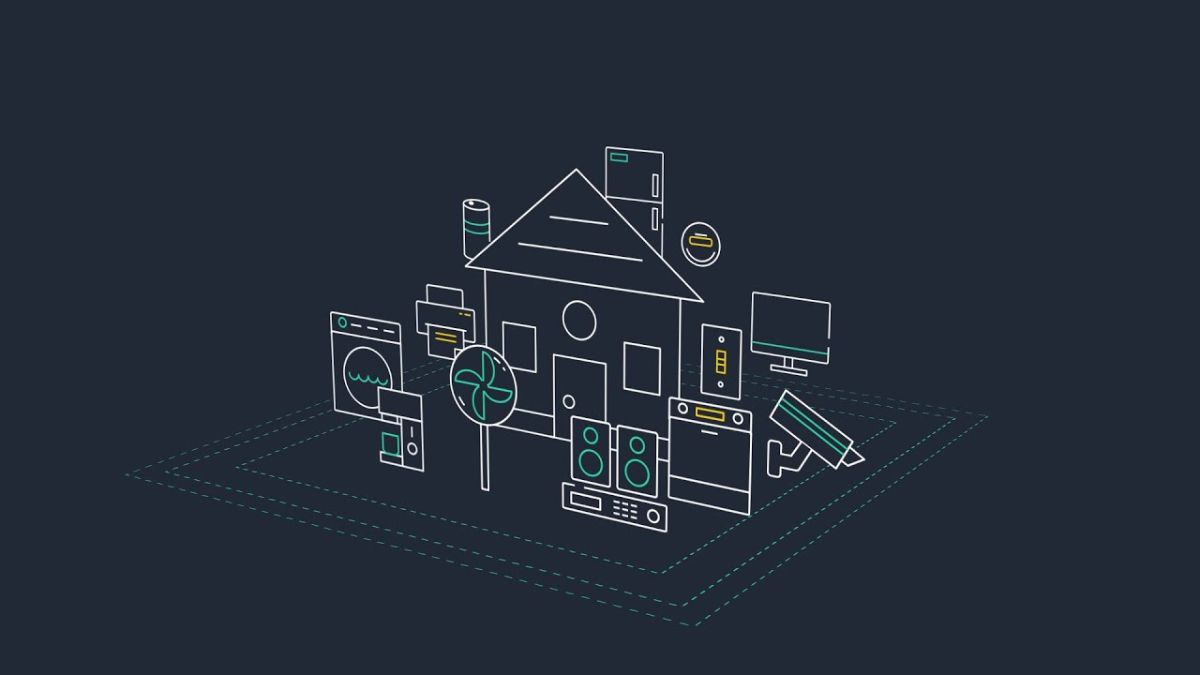
If you landed on domikyo.com while looking for clearer advice on connected devices, you are not alone. Homes now run on Wi-Fi, apps, and sensors, and most people want plain answers before they buy another gadget. Domikyo.com sits in that space as a multi-niche digital publishing site. It covers technology, business, finance, health, lifestyle, and digital trends, with a strong public association to smart home systems, networking, and everyday online tools.
That mix matters. A thermostat article only helps if it also explains the network behind it. A security camera guide falls flat if it ignores privacy settings. Readers usually want both the product idea and the setup context.
This guide explains what the site is for, how to use its topics well, and where to stay cautious.
What Domikyo.com Is, in Plain Terms
Domikyo.com is an informational website, not a device you install and not a single app that controls your house. Public descriptions frame it as a digital information platform that publishes articles for readers in the United States and elsewhere. The recurring themes are smart home automation, Internet of Things devices, digital connectivity, and broader lifestyle topics.
Think of it as a reading destination. You go there for explainers, how-to ideas, and trend pieces. You still buy hardware from manufacturers or retailers, and you still configure devices in their own apps.
A useful way to sort the content:
- Technology and consumer gadgets
- Home networking and connectivity
- Smart security and energy use
- Business and finance explainers
- Health, travel, and everyday lifestyle notes
The smart-home thread is the one most readers recognize. Voice lighting, door sensors, mesh Wi-Fi, and energy monitors all show up in that conversation. Other sections widen the catalogue so the site is not limited to one product category.
Why People Search for Domikyo.com
Search intent usually falls into three buckets. Some people want a definition. Others want setup help. A third group is checking whether the domain is a real, active publisher before they read or cite it.
Start with the definition. Domikyo.com is a content site focused on connected living and related digital topics. It does not replace your router manual, your camera app, or your electrician.
Next comes the practical intent. People want to know which problems connected homes actually solve, and which ones they create. Common questions include weak Wi-Fi in older walls, bulbs that drop offline, and apps that will not see a new device.
Finally, trust intent. Before you rely on any article, check the date, the sources, and whether the steps match the current app. Firmware changes fast. A guide from last year can still teach the idea and still miss a new menu name.
How Domikyo.com Fits Smart Home and IoT Topics
Connected living sounds simple until the first device fails to join the network. A good article walks through the stack, not just the gadget.
The stack usually looks like this:
- A stable internet connection
- A router or mesh system that covers the rooms you care about
- A protocol the devices share, such as Wi-Fi, Zigbee, Thread, or Matter
- An app or voice assistant that ties controls together
- Accounts, updates, and privacy settings you actually review
Domikyo.com-style guides tend to sit at steps three through five. They explain interoperability, energy habits, and security basics in everyday language. That is useful if you are new. It is less useful if you need a model-specific wiring diagram.
Matter is the clearest example. It aims to let devices from different brands talk to one another. A clear explainer helps you avoid buying a bulb that only works inside one closed app. It does not guarantee every older hub will join the party.
Practical example: a 1950s house with plaster walls often kills a single router signal in the back office. The fix is rarely a new laptop. It is a mesh node, a wired access point, or a powerline adapter plus a dedicated access point. Articles that mention this pattern save people from replacing working computers.
Topic Coverage at a Glance
| Topic area | What readers usually want | Best use of the article | What it should not replace |
|---|---|---|---|
| Smart lighting and climate | Schedules, voice control, energy savings | Room-by-room setup ideas | Electrician work on high-voltage lines |
| Home security | Cameras, sensors, alerts | Placement and privacy checklists | Professional monitoring contracts |
| Networking | Mesh Wi-Fi, dead zones, speed | Layout and troubleshooting steps | ISP outage diagnosis |
| Digital lifestyle | Tools, habits, online safety | Beginner explainers | Legal or financial advice |
| Business and finance notes | Plain-language concepts | Background reading | Personalized tax or investment advice |
Use that table as a filter. If an article promises a result the right column says it cannot deliver, slow down.
A Simple Framework for Connected Living
You do not need a whole-house rebuild. Most homes improve with a short sequence.
Map the pain first. Write down the rooms where video calls fail, lights lag, or cameras drop. Guessing leads to extra hubs.
Pick one job. Security, lighting, or climate is enough for month one. A house full of half-set devices is harder to fix than a house with one working system.
Match the network to the job. Cameras want strong upload and stable power. Sensors can live on a low-power protocol. Voice speakers need decent coverage, not gigabit speed.
Standardize where you can. Fewer apps means fewer passwords and fewer points of failure. Matter-compatible gear is worth a look if you already own mixed brands.
Review access. Shared family accounts, guest networks, and camera permissions deserve the same attention as the hardware.
That framework travels well whether you read it on domikyo.com or in a manufacturer guide. The site can supply the overview. Your floor plan supplies the decisions.
Pros and Cons
Every publishing site in this niche has a tradeoff. Breadth helps discovery. Depth varies by article.
| Side | What works | Where to watch out |
|---|---|---|
| Pros | Wide topic range for tech, home, and lifestyle questions | Not every article will match your exact device model |
| Pros | Plain-language explainers for first-time smart home users | Some pieces stay general instead of technical |
| Pros | Useful context on connectivity, energy, and interoperability | Advice can age when apps change |
| Cons | Multi-niche catalogues can feel uneven | Cross-check health, finance, and legal claims |
| Cons | Sponsored or marketplace-style publishing may appear in the wider web footprint | Separate editorial tips from paid placements |
| Cons | No single support desk for your hardware | Use the brand app for warranty and firmware issues |
The honest read is simple. Treat the site as a starting library. Treat the device maker as the source of truth for setup screens and safety warnings.
Common Mistakes
People repeat the same errors when they bounce from a general article to a shopping cart.
Buying before mapping Wi-Fi. A premium camera still fails in a dead zone. Walk the house with a speed test first.
Mixing too many ecosystems on day one. Two voice assistants and four lighting apps create more friction than they remove.
Skipping updates. Offline bulbs and failed cameras often trace back to old firmware or a router that has not rebooted in months.
Ignoring privacy defaults. Cameras and doorbells may share clips or allow wide access until you tighten settings.
Trusting a single anecdote. One reader’s powerline success in a plaster house does not prove the same adapter will sing through your wiring.
Using general content for regulated decisions. Finance, health, and citizenship-style articles need primary sources. A blog summary is not a filing.
Best Practices for Getting Value from Domikyo.com
Read with a job in mind. “Fix the upstairs camera” beats “learn smart homes” as a search.
Check the publication date and scan for version clues. Menu names change. Principles such as “separate guest Wi-Fi” stay useful.
Cross-check hardware steps against the maker’s support page. If the two disagree, follow the maker for that model.
Build a small lab. One room, one protocol, one app. Expand after a week of stable use.
Keep a simple inventory. Device name, room, app, and last update date prevent mystery offline alerts.
Separate entertainment reading from action reading. Trend pieces are fine for context. Checklists are what you take to the router.
When an article mentions networking gear, note the constraint. Powerline depends on the electrical circuit. Mesh depends on placement. Neither is magic.
How to Judge an Article Before You Act
| Check | Pass signal | Fail signal |
|---|---|---|
| Specificity | Names the problem and the constraint | Promises whole-home results with no layout |
| Safety | Tells you when to call a pro | Encourages opening mains wiring casually |
| Freshness | Recent date or clear evergreen framing | Undated steps for a fast-moving app |
| Evidence | Explains why a step works | Relies only on hype words |
| Scope | States what the guide does not cover | Blurs blog advice into professional services |
That third table is the one worth saving. It works on any tech publisher, including this one.
Who Gets the Most from This Kind of Site
First-time owners benefit most. They need vocabulary: hub, bridge, 2.4 GHz, guest network, local control. Once those words click, product pages make more sense.
Renters benefit too, if the articles favor plug-in gear over rewiring. Smart plugs, battery sensors, and renter-friendly cameras fit that brief.
Small offices inside older homes benefit when the piece talks about dead zones instead of only new-build fiber. A stable back-room link often matters more than a showcase kitchen scene.
People comparing brands get a head start on interoperability. They still need current compatibility lists from the brands themselves.
Who should look elsewhere? Anyone mid-install with an error code. At that point the support article for that exact firmware is faster.
A Short Setup Path You Can Copy
Pick the room that fails most often. Measure the signal there. If it is weak, fix coverage before you add devices.
Choose one system for that room. Lighting is the usual low-risk start. Security is fine if you also set privacy rules the same day.
Add devices in pairs, not dozens. Confirm each one stays online overnight.
Name every device by room. “Hall bulb 1” beats “Device 7” when something drops.
Turn on automatic updates where you trust the brand. Schedule a monthly look at the router and the camera app.
Write down what worked. Future you will not remember which node placement cleared the office.
That path is deliberately boring. Boring setups stay up.
Conclusion
Domikyo.com works best as a reading layer over the messier reality of connected homes. It points you toward smart home ideas, IoT basics, networking context, and a wider set of digital lifestyle topics. It does not install your gear, and it should not be your only source when money, health, or safety is on the line.
Use the site to learn the language and the tradeoffs. Use your floor plan, your router, and the manufacturer steps to make the change. Start with one job, confirm it stays online, and only then expand.
If you do that, the articles become a map instead of a shopping list. That is the result most households actually need.
FAQs
What is domikyo.com? Domikyo.com is a multi-niche digital publishing website. It publishes informational articles on technology, smart home and IoT themes, business, finance, health, lifestyle, and digital trends. It is a content destination, not a hardware product.
Is domikyo.com a smart home device or an app? No. The public positioning is an information platform. You still buy devices from brands and control them in their own apps or a compatible voice assistant.
Can articles on the site replace my router or camera manual? No. Overviews help you understand dead zones, interoperability, and privacy habits. Model-specific menus, firmware fixes, and warranty steps belong to the manufacturer.
How should I check whether a guide is still accurate? Look at the date, compare the steps with the current app, and confirm any safety or networking claim against the device maker. Principles last longer than button labels.
Does a wide topic range mean every article is equally deep? No. Multi-niche sites vary by piece. Use general explainers for orientation, and use primary sources for finance, health, legal, or electrical decisions.

Privacy used to sit in a legal folder. Today it sits on the growth agenda. That shift is the real story behind Syrenis strategic initiatives — a multi-year push to turn consent, preferences, and policy control into infrastructure that large enterprises can actually run.
Syrenis is an enterprise privacy-tech company. It helps global brands capture, sync, and honor customer choices across websites, apps, CRM systems, and marketing stacks. The company has long been known for high-volume consent work. What changed recently is the ambition around it: new leadership, a US footprint, a unified brand, consulting partnerships, and a product story that treats compliance as a starting point, not the finish line.
If you work in privacy, marketing operations, or digital legal, those moves matter. They show how a specialist vendor is trying to become the system of record for customer permission — at Fortune 500 scale.
What Syrenis Does in Plain Terms
Syrenis builds software that records what a customer said yes or no to, then pushes that decision into the systems that actually use the data.
That sounds simple. It is not. A typical enterprise has:
- Multiple brands and domains
- Different laws by country and US state
- Cookie banners, preference centers, call centers, and mobile apps
- Marketing clouds, analytics tools, and data warehouses that all need the same answer
Without a single source of truth, teams invent local workarounds. Marketing keeps a list. Legal keeps another. IT writes one-off APIs. Audits then become archaeology.
Syrenis positions its platform as the layer that collects choices, matches them to identities, and enforces them in near real time. The older product name many buyers still remember is Cassie. The company has since folded product identity into the Syrenis brand itself.
Why enterprises buy this category
Teams usually arrive after one of three events: a new privacy law, a failed audit, or a marketing program that cannot use first-party data because consent records do not match.
The buying question is rarely “Do we need a banner?” It is “Can we prove, everywhere, that we honored the latest choice?”
The Core Syrenis Strategic Initiatives Driving Growth
Several moves now sit together as one strategy: leadership, geography, brand, product breadth, and delivery partners.
| Initiative | What changed | Why it matters to buyers |
|---|---|---|
| Leadership reset | New CEO plus finance and commercial executives | Signals a growth company, not a maintenance vendor |
| North America hub | Dedicated US go-to-market presence, Atlanta base | Puts sellers and support closer to US state-law complexity |
| Brand unification | Legacy product names retired under Syrenis | Makes the company easier to evaluate as an enterprise platform |
| Partner model | Consulting alliance for program design and rollout | Closes the gap between software and operating model |
| Platform expansion | Consent plus preferences, notices, rights, and risk | Moves the sale from banner tool to privacy operations |
Those five threads are easier to understand one by one.
New leadership and a growth mandate
Adam Binks became CEO after joining the board, then the company added senior finance and commercial leaders. Public comments around the 25th anniversary pointed to a target of more than doubling revenue over five years.
That kind of target changes product priorities. A maintenance business ships patches. A growth business ships features that win multi-year enterprise contracts: multi-jurisdiction policy, identity-linked records, audit trails, and integrations that IT will actually accept.
US expansion as a market bet
The United States is no longer one privacy regime. It is a stack of state laws with different rights, definitions, and timelines. Enterprises with national brands feel that immediately.
Opening a US operation is therefore not a vanity office. It is a response to how buyers purchase: they want local conversations, faster implementation, and people who already know the difference between a notice obligation in one state and an opt-out signal in another.
Brand relaunch as a positioning play
A brand refresh sounds cosmetic until you look at what it replaced. Unifying under Syrenis tells the market the company is selling a platform, not a single widget.
That matters in procurement. Enterprise RFPs ask who owns consent, preferences, notices, and subject rights. A fragmented product family makes those answers harder. One brand makes the story simpler: one vendor, one record, many channels.
Partnerships that turn software into a program
Technology does not implement itself. Privacy programs fail when legal writes a policy, marketing designs a banner, and nobody owns the operating rhythm.
The consulting partnership with Myna is a classic “strategy plus execution” move. Syrenis supplies the data layer. The partner helps design the program, map processing activities, and roll the platform into real teams. Buyers who have been burned by shelfware notice that combination.
From consent tool to privacy operations platform
The product map now stretches beyond banners:
- Consent capture and enforcement
- Preference centers and channel-level choices
- Privacy notice management
- Data subject rights intake and workflow
- Risk and policy visibility
That is the difference between a compliance checkbox and an operations system. Marketing can personalize with consented data. Legal can produce an audit trail. IT can stop writing one-off sync jobs.
How These Initiatives Map to Real Enterprise Problems
Strategy only counts if it solves Tuesday morning work.
Multi-brand, multi-jurisdiction mess
A retailer with EU sites, US state storefronts, and a loyalty app needs different rules for the same person depending on location and channel. Manual matrices break. A configurable policy engine does not.
First-party data that marketing cannot use
After cookie deprecation and tighter ad rules, brands need consented first-party profiles. If preference data lives in five systems, campaigns stall. A synchronized preference record is what lets personalization proceed without a legal veto.
Audit pressure that never turns off
Regulators and internal audit both ask the same question: show the history. Immutable consent logs, notice versions, and rights-request records are not nice-to-haves. They are the evidence pack.
Practical Example: A Global Brand Cleaning Up Consent
Imagine a financial services group with a UK parent, US subsidiaries, and a marketing cloud that fires emails from three regions.
Before a platform like this, the group might:
- Run different cookie tools per brand
- Store call-center opt-outs in a spreadsheet
- Update CRM flags once a week
- Discover mismatches only after a complaint
After a coordinated rollout, the same group would:
- Capture consent at every digital and assisted touchpoint
- Match records to a customer identity
- Push the latest preference into CRM, ESP, and analytics in near real time
- Keep an audit log that legal can export without a project team
That is the operating picture Syrenis is selling. The strategic initiatives exist to make that picture believable at scale: US coverage, partner delivery, and a brand that says “platform,” not “banner.”
Comparison Snapshot: Banner Tool vs Enterprise Privacy Platform
| Capability | Lightweight banner tool | Enterprise platform approach |
|---|---|---|
| Scope | Website cookies | Web, app, CRM, offline, identity |
| Identity | Device or session | Cross-device and known customer |
| Policy | One template | Jurisdiction and brand rules |
| Integrations | A few tags | Hundreds of systems plus APIs |
| Evidence | Basic log | Immutable history for audits |
| Delivery | Self-serve setup | Program design plus implementation |
Most mid-market teams can live on the left. Highly regulated groups with 1 billion-plus records cannot.
Pros and Cons of Following the Syrenis Path
Pros
- One record of customer choice reduces legal and marketing conflict
- Real-time enforcement protects campaigns and call-center promises
- Broader modules (notices, rights, risk) limit vendor sprawl
- Partner-led implementation can shorten time-to-value
- US presence helps organizations living inside state privacy law
Cons
- Enterprise platforms are not cheap, and there is no meaningful free tier
- Implementation still needs internal owners in legal, marketing, and IT
- Unifying brands and jurisdictions is a change-management project, not a plugin
- Buyers must validate integration depth against their exact stack
- A growth-stage vendor roadmap can move faster than some risk teams prefer
None of those cons are unique to one company. They are the cost of treating privacy as infrastructure.
Common Mistakes Companies Make With Consent Strategy
Privacy programs stall for predictable reasons.
- Buying a banner and calling the program done
- Letting each brand pick its own tool
- Storing opt-outs where marketing cannot see them
- Ignoring offline channels such as call centers and stores
- Writing policies that the tech stack cannot enforce
- Starting implementation without a data map
- Treating preference centers as a legal page instead of a product
- Skipping identity resolution, then wondering why records conflict
If a strategic vendor relationship is going to work, those mistakes have to be named in the kickoff, not discovered in year two.
Best Practices for Evaluating Enterprise Consent Platforms
Use a short, practical checklist.
- Start with systems, not screens. List every place a preference must land.
- Demand identity logic. Session cookies are not enough for known customers.
- Test a multi-jurisdiction rule. One person, two regions, two lawful bases.
- Ask for the audit export. If legal cannot pull history quickly, keep walking.
- Map implementation owners. Software without a RACI becomes shelfware.
- Check partner capacity. Complex rollouts need more than a success email.
- Measure time-to-enforce. The metric that matters is how fast a new no becomes a system-wide no.
Those steps keep a vendor conversation honest.
What to Watch Next
Three signals will tell you whether this strategy is landing.
First, whether US pipeline converts into multi-year enterprise logos, not just banner replacements. Second, whether risk, notices, and rights modules get adopted beside consent, or stay as brochure items. Third, whether partner-led deployments produce referenceable operating models in regulated industries such as pharma, finance, and automotive.
Gartner and similar analyst mentions help with awareness. Customer proof in messy, multi-brand environments is what will decide category leadership.
Conclusion
Syrenis strategic initiatives are not a single announcement. They are a bundle: new executives, a US commercial base, a unified brand, a consulting alliance, and a wider privacy-operations product.
The through-line is clear. The company wants enterprises to stop treating consent as a website widget and start treating it as a system of record for customer permission. If that bet holds, privacy teams get cleaner audits, marketers get usable first-party data, and IT gets fewer one-off integrations.
The work still sits with the buyer. Tools do not replace ownership. But the direction of travel is the one most global organizations are already being forced to take.
5 SEO FAQs
What are Syrenis strategic initiatives?
They are the company’s growth moves in leadership, US expansion, brand unification, consulting partnerships, and platform expansion from consent tools into broader privacy operations.
Is Syrenis only a cookie consent banner?
No. Cookie capture is one entry point. The platform is built for enterprise consent, preferences, notices, rights requests, and policy control across systems.
Why did Syrenis expand in the United States?
US state privacy laws created a large, complex buying market. A local go-to-market team helps enterprises that need faster support and jurisdiction-aware implementation.
Who typically buys a platform like this?
Privacy, legal, marketing operations, and IT leaders at large, multi-brand organizations in regulated sectors such as finance, healthcare, retail, and automotive.
How should a company start a consent modernization project?
Map every system that uses customer data, define identity rules, pick jurisdiction logic, assign owners, then select a platform that can enforce the latest choice everywhere those systems live.
-

 HEALTH7 months ago
Benefits of Drinking Lemon with Warm Water Daily
-

 BLOG5 months ago
Soundgasm: A Complete Guide to the Popular Audio Sharing Platform
-
 BUSINESS6 months ago
Outsourcing Customer Service: A Complete Guide to Benefits, Challenges, and Smart Strategies
-

 CRYPTO7 months ago
Crypto.com Credit Card: Complete Guide to Rewards, Benefits, and How It Works
-

 BLOG7 months ago
Bijnesh: Meaning, Origin, Cultural Significance, and Modern Relevance
-

 BUSINESS7 months ago
Deshoptec com: A Complete Guide to Understanding Deshoptec com in the Modern E-Commerce World
-

 BUSINESS6 months ago
How to Effectively Use Betanden for Enhanced Productivity
-

 HEALTH7 months ago
Palo Azul Benefits: Complete Guide to Uses, Nutrition, and Wellness Potential