
HEALTH
Green Leaf Lettuce: Nutrition, Growing Guide, Health Benefits, and Culinary Uses

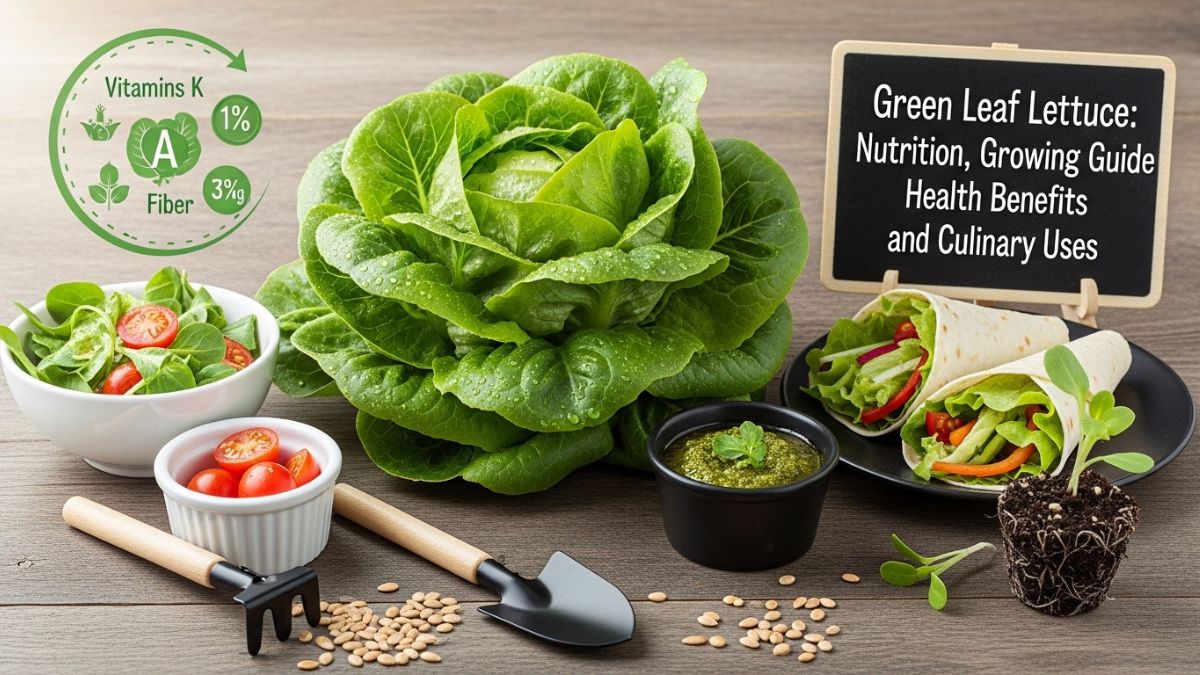
is one of the most versatile and widely consumed leafy vegetables in the world. Known for its tender texture, mildly sweet flavor, and vibrant green color, is a staple ingredient in salads, sandwiches, wraps, and healthy meal plans. Unlike iceberg varieties, offers a softer structure and a higher concentration of essential nutrients, making it both flavorful and nourishing.
Botanically classified as Lactuca sativa, this leafy green belongs to the daisy family and thrives in cool-season climates. is prized not only for its culinary flexibility but also for its impressive vitamin and mineral profile. This comprehensive guide explores from farm to table, covering nutrition, cultivation, health benefits, storage, and creative recipes.
Green Leaf Lettuce Botanical Overview
Understanding begins with its botanical background. As a cultivar of Lactuca sativa, it forms loose, ruffled leaves that grow outward from a central stem rather than forming a tight head.
Key Botanical Characteristics
| Feature | Description | Benefit |
|---|---|---|
| Leaf Structure | Loose and frilly | Easy harvesting |
| Color | Bright to deep green | High chlorophyll content |
| Texture | Tender and crisp | Pleasant mouthfeel |
| Growth Cycle | Cool-season crop | Fast maturity |
matures quickly, typically within 45 to 60 days, making it a popular choice for home gardeners and commercial growers alike.
Nutritional Profile
stands out for its impressive nutrient density relative to its low calorie content.
Nutrition Facts of Green Leaf Lettuce per 100g
| Nutrient | Amount | Health Contribution |
|---|---|---|
| Calories | 15 kcal | Weight management |
| Vitamin A | High | Vision support |
| Vitamin K | Very high | Bone health |
| Folate | Moderate | Cell growth |
| Fiber | 1.3 g | Digestive support |
| Water Content | 95% | Hydration |
is particularly rich in vitamin K, which supports blood clotting and bone strength. Its high water content also contributes to hydration, especially in warmer climates.
Health Benefits
The nutritional composition of supports various aspects of overall health.
Green Leaf Lettuce and Heart Health
contains antioxidants and fiber that may support cardiovascular wellness. Its potassium content helps maintain balanced blood pressure levels.
Green Leaf Lettuce and Digestive Wellness
The fiber in aids digestion by promoting regular bowel movements and supporting gut health.
Green Leaf Lettuce and Weight Management
Due to its low calorie density and high water content, provides volume without excessive calories, making it ideal for weight-conscious diets.
| Health Benefit | Contributing Nutrient | Impact |
|---|---|---|
| Bone Strength | Vitamin K | Improved density |
| Eye Health | Beta-carotene | Vision protection |
| Hydration | Water | Fluid balance |
| Immunity | Antioxidants | Reduced oxidative stress |
Growing Green Leaf Lettuce Successfully
is beginner-friendly and adaptable to various growing environments.
Ideal Growing Conditions
| Condition | Requirement |
|---|---|
| Temperature | 60–70°F |
| Sunlight | Partial to full sun |
| Soil Type | Well-drained, fertile |
| pH Level | 6.0–6.8 |
Planting seeds directly into soil or starting indoors before transplanting both yield excellent results. Because thrives in cooler temperatures, spring and fall are ideal planting seasons.
Watering and Care
Consistent moisture is essential for tender leaves. However, overwatering can lead to root rot. Mulching helps retain soil moisture and regulate temperature.
Harvesting Green Leaf Lettuce
One of the advantages of is its “cut-and-come-again” harvesting style. Gardeners can trim outer leaves while allowing the center to continue growing.
| Harvest Method | Benefit |
|---|---|
| Leaf-by-leaf | Extended yield |
| Whole plant | Quick harvest |
| Early harvest | Tender flavor |
| Late harvest | Larger leaves |
Timely harvesting ensures optimal taste and prevents bitterness caused by bolting.
Culinary Uses
is a versatile ingredient in numerous dishes.
Green Leaf Lettuce
Its tender texture makes it a foundational base for fresh salads. Pairing it with tomatoes, cucumbers, nuts, and vinaigrettes enhances flavor complexity.
Green Leaf Lettuce in Wraps and Sandwiches
Large leaves can replace tortillas or bread for low-carb wraps. This approach adds freshness and crunch without extra calories.
Green Leaf Lettuce in Smoothies
Though mild in taste, blends seamlessly into green smoothies, adding nutrients without overpowering flavors.
| Culinary Use | Preparation Style | Result |
|---|---|---|
| Salads | Raw | Crisp freshness |
| Wraps | Whole leaves | Low-carb option |
| Garnish | Decorative layering | Visual appeal |
| Smoothies | Blended | Nutrient boost |
Storage and Shelf Life
Proper storage extends freshness and prevents spoilage.
Best Practices for Storing Green Leaf Lettuce
| Storage Method | Duration | Tip |
|---|---|---|
| Refrigeration | 5–7 days | Store in crisper drawer |
| Washed & Dried | 3–5 days | Use paper towels |
| Airtight Container | 5 days | Maintain airflow |
| Room Temperature | Not recommended | Wilts quickly |
Keeping dry before refrigeration prevents excess moisture, which accelerates decay.
Comparing Green Leaf Lettuce with Other Varieties
differs from other lettuce types in texture, nutrition, and culinary flexibility.
| Variety | Texture | Nutritional Value | Best Use |
|---|---|---|---|
| Green Leaf Lettuce | Tender & loose | High vitamin K | Salads |
| Iceberg Lettuce | Crunchy & dense | Lower nutrients | Burgers |
| Romaine Lettuce | Firm & elongated | High folate | Caesar salad |
| Butterhead Lettuce | Soft & delicate | Moderate nutrients | Sandwich wraps |
Compared to iceberg lettuce, offers superior nutrient density and flavor.
Sustainability and Green Leaf Lettuce
is relatively sustainable due to its short growing cycle and minimal resource demands. Home gardening reduces transportation emissions and ensures pesticide control.
Sustainable Advantages of Green Leaf Lettuce
-
Rapid growth
-
Low fertilizer requirements
-
Efficient water usage
-
Suitable for container gardening
These attributes make an environmentally friendly addition to household gardens.
Green Leaf Lettuce in Global Cuisine
appears in cuisines worldwide, from Mediterranean salads to Asian lettuce wraps. Its mild flavor allows it to complement diverse seasonings and cooking traditions.
In fusion cuisine, serves as both a structural element and a flavor enhancer, balancing heavier ingredients.
Conclusion
is more than a simple salad ingredient. As a nutrient-dense, easy-to-grow leafy vegetable, supports health, sustainability, and culinary creativity. From its botanical roots in Lactuca sativa to its modern applications in global cuisine, continues to play a vital role in balanced diets.
With its rich vitamin profile, refreshing taste, and adaptability in the kitchen, remains a smart and versatile choice for individuals seeking healthier meal options. Whether grown at home or purchased fresh from markets, delivers both flavor and nourishment in every bite.
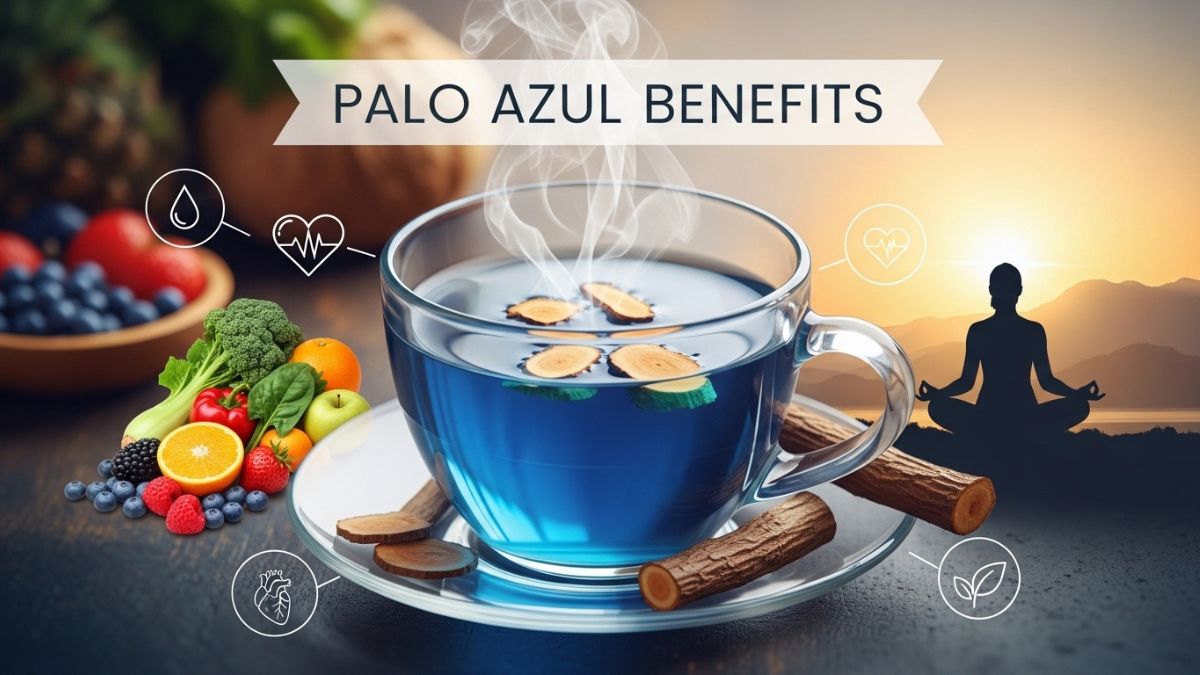
have gained growing attention among wellness enthusiasts seeking natural herbal remedies. Derived from the bark of the tree scientifically known as Eysenhardtia polystachya, palo azul has been traditionally used in parts of Mexico and Central America for centuries. The name translates to “blue stick,” referencing the distinctive blue fluorescence the tea can display under certain lighting conditions.
People exploring are often interested in its potential support for kidney health, detoxification, and antioxidant activity. While traditional use provides historical insight, modern research is still evolving. This comprehensive guide explores in detail, including nutritional compounds, preparation methods, safety considerations, and how it fits into contemporary wellness routines.
Palo Azul Benefits and Botanical Background
Understanding begins with the plant itself. Eysenhardtia polystachya is a small flowering tree native to regions of Mexico and the southwestern United States.
Botanical Characteristics Linked
| Feature | Description | Relevance |
|---|---|---|
| Common Name | Palo azul | Traditional herbal remedy |
| Plant Part Used | Bark | Brewed into tea |
| Native Region | Mexico & Central America | Cultural significance |
| Active Compounds | Flavonoids & polyphenols | Antioxidant activity |
The bark is typically dried and boiled to create a herbal infusion. Many of the reported are associated with the plant’s natural flavonoids and phenolic compounds.
Palo Azul Benefits for Kidney Health
One of the most commonly cited is support for kidney function. Traditionally, palo azul tea has been consumed to help cleanse the urinary tract and promote healthy fluid balance.
How Palo Azul Benefits May Support the Kidneys
| Mechanism | Potential Effect |
|---|---|
| Mild Diuretic Action | Encourages urine production |
| Antioxidant Properties | Reduces oxidative stress |
| Hydration Support | Assists natural filtration |
| Traditional Detox Use | Supports urinary health |
While anecdotal evidence suggests positive outcomes, individuals with kidney conditions should consult healthcare professionals before incorporating palo azul into their routine.
Palo Azul Benefits and Detox Support
Another reason for rising interest in is its reputation as a detoxifying herbal tea. The mild diuretic effect may assist the body in eliminating waste through increased urination.
Detox-Related Palo Azul Benefits
| Detox Aspect | Possible Contribution |
|---|---|
| Fluid Balance | Supports natural elimination |
| Liver Support | May aid antioxidant defense |
| Metabolic Byproduct Removal | Encourages urinary output |
| Hydration Enhancement | Promotes internal cleansing |
It is important to understand that detoxification primarily occurs through the liver and kidneys naturally. may complement, but not replace, these processes.
Palo Azul Benefits and Antioxidant Activity
Antioxidants are compounds that help neutralize free radicals. include antioxidant potential due to flavonoids present in the bark.
Antioxidant Components Behind Palo Azul Benefits
| Compound | Function |
|---|---|
| Flavonoids | Combat oxidative stress |
| Polyphenols | Support cellular health |
| Plant Alkaloids | Contribute to bioactivity |
By supporting cellular health, may contribute to overall wellness and immune resilience.
Palo Azul Benefits for Digestive Wellness
In traditional practices, palo azul tea has been used to soothe digestive discomfort. Although scientific studies are limited, anecdotal use suggests mild digestive support.
Digestive-Related Palo Azul Benefits
-
May ease occasional bloating
-
Supports hydration
-
Mildly soothing herbal infusion
-
Encourages balanced elimination
Hydration itself plays a major role in digestion, and palo azul tea contributes to fluid intake.
Preparation Methods to Maximize
Correct preparation ensures optimal extraction of beneficial compounds.
How to Prepare Palo Azul Tea for Maximum Benefits
| Step | Instruction |
|---|---|
| Bark Measurement | 1 ounce dried bark |
| Water Quantity | 1 gallon water |
| Boiling Time | 30–60 minutes |
| Cooling | Allow to cool naturally |
| Storage | Refrigerate up to 3 days |
The tea often appears light brown but may show a subtle blue hue under light due to natural fluorescence.
Consistency and moderation are key when seeking .
Palo Azul Benefits and Weight Management
Some wellness communities discuss in relation to weight management. While it is not a fat-burning solution, its hydration support and diuretic properties may temporarily reduce water retention.
Weight-Related Palo Azul Benefits
| Factor | Impact |
|---|---|
| Hydration | Supports metabolism |
| Reduced Bloating | Temporary relief |
| Low-Calorie Beverage | Replaces sugary drinks |
| Mild Diuretic | Decreases water retention |
It is essential to avoid unrealistic expectations. Sustainable weight management relies on balanced diet and physical activity.
Safety Considerations Related
Although are widely discussed, safety awareness is crucial.
Safety Guidelines
| Consideration | Recommendation |
|---|---|
| Pregnancy | Consult physician |
| Kidney Conditions | Seek medical advice |
| Medication Interaction | Verify with healthcare provider |
| Overconsumption | Avoid excessive intake |
Herbal remedies can interact with medications or underlying health conditions. Responsible use ensures safer experiences.
Comparing Palo Azul Benefits with Other Herbal Teas
are sometimes compared to other herbal infusions used for detox or kidney support.
| Herbal Tea | Primary Focus | Distinct Feature |
|---|---|---|
| Palo Azul | Kidney & detox | Blue fluorescence |
| Dandelion Tea | Liver support | Strong diuretic |
| Green Tea | Antioxidant | Caffeine content |
| Chamomile | Relaxation | Calming properties |
Each herbal option offers unique advantages, and stand out due to traditional kidney-focused applications.
Cultural Significance
In Mexican herbal traditions, are deeply rooted in cultural healing practices. Generations have passed down preparation methods and usage recommendations.
Traditional herbal markets often sell dried bark pieces, emphasizing community knowledge and heritage.
Understanding this cultural background adds context to modern interest in .
Scientific Perspective
Research on remains limited but growing. Preliminary studies focus on antioxidant activity and potential antimicrobial effects.
However, more clinical trials are necessary to confirm many traditional claims. Consumers should approach with informed awareness rather than relying solely on anecdotal evidence.
Incorporating Palo Azul Benefits into Daily Routine
Those exploring may incorporate the tea into a balanced wellness routine.
Practical Ways to Use Palo Azul Benefits
-
Drink chilled as a refreshing herbal beverage
-
Replace sugary drinks
-
Combine with balanced nutrition
-
Maintain hydration throughout the day
Moderation and consistency are essential for sustainable results.
Conclusion
reflect a blend of traditional herbal knowledge and modern wellness curiosity. Derived from Eysenhardtia polystachya, palo azul tea has long been associated with kidney support, detox assistance, antioxidant protection, and hydration enhancement.
While anecdotal evidence highlights promising results, scientific validation continues to evolve. Responsible consumption, proper preparation, and professional medical consultation remain key to safely exploring .
As part of a balanced lifestyle, may complement healthy habits, offering a natural and refreshing herbal option rooted in centuries of tradition.

-

 TECHNOLOGY1 month ago
Khareenjoyceromana: Its Growing Digital Identity in Online Spaces
-

 BLOG1 month ago
Zuschneidfelle: Its Importance in Modern Craft and Material Processing
-

 TECHNOLOGY1 month ago
GlarklyHub: A Complete Guide to Understanding Its Digital Impact and Growing Popularity
-

 TECHNOLOGY1 month ago
Wachappe: Its Growing Relevance in the Modern Digital World
-

 TECHNOLOGY1 month ago
Plangud: Its Meaning, Usage, and Growing Digital Relevance
-

 TECHNOLOGY4 weeks ago
Fappelo: A Complete Guide to Digital Innovation and Brand Growth
-

 TECHNOLOGY4 weeks ago
Plangud: The Ultimate Guide and Its Digital Potential
-

 TECHNOLOGY4 weeks ago
Gessolini: The Meaning, Digital Presence, and Growing Online Interest