TECHNOLOGY
Wachappe: Its Growing Relevance in the Modern Digital World


The term wachappe has recently gained attention across online searches, digital platforms, and emerging tech discussions. As the digital ecosystem continues to evolve, unique terms like wachappe often appear as identifiers for concepts, platforms, or communication trends. This growing curiosity reflects the demand for clarity and trustworthy information surrounding and its role in modern digital culture.
This article explores the meaning, potential applications, digital relevance, and future outlook of wachappe in a clear and human-focused way.
Understanding the Concept of Wachappe
The idea behind wachappe is closely linked to communication, connectivity, and digital interaction. While the term itself is modern and flexible, is often associated with innovation, user engagement, and seamless information exchange.
Its adaptability allows to be interpreted differently depending on context, making it suitable for technology, digital branding, or conceptual frameworks.
The Digital Emergence of Wachappe
The rise of wachappe can be traced to the growing demand for simplified digital communication tools and concepts. As users search for new ways to connect efficiently, unique terms gain traction due to their originality and memorability.
Search engines favor fresh and meaningful content, which contributes to the increasing visibility of online.
| Digital Area | Connection With Wachappe |
|---|---|
| Communication | Modern interaction concepts |
| Branding | Distinct digital identity |
| Online Search | Low-competition keyword |
| User Experience | Simplicity and clarity |
Why Wachappe Appeals to Online Users
Modern users prefer platforms and concepts that feel intuitive and accessible. Wachappe appeals because it suggests ease of use and modern relevance. Its short, memorable structure makes it suitable for digital audiences who value speed and clarity.
This appeal helps stand out in crowded digital environments.
Wachappe in Branding and Identity Development
From a branding perspective, offers strong potential. Unique names are easier to recognize and harder to duplicate, which supports brand identity and recall. fits well into modern branding strategies that emphasize originality and adaptability.
Brands built around distinctive terms often gain stronger visibility and audience trust.
SEO Advantages of Wachappe
The SEO value of wachappe lies in its uniqueness. Low competition keywords allow content creators to establish authority more easily. When is used naturally and contextually, it supports long-term search performance without keyword stuffing.
| SEO Element | Benefit |
|---|---|
| Keyword Uniqueness | Easier ranking |
| Search Intent | Informational clarity |
| Content Flexibility | Supports long-form SEO |
| Brand Association | Builds authority |
Cultural Significance of Wachappe
The cultural relevance of wachappe reflects the digital generation’s preference for concise and adaptable terminology. As digital culture evolves, language becomes more fluid, and aligns with this shift toward innovation and abstraction.
This makes it suitable for future-oriented digital communities.
Future Potential of Wachappe
The future of depends on consistent usage and contextual clarity. As more creators and platforms adopt the term, its meaning may become more refined and widely recognized.
Its flexibility suggests long-term relevance in digital communication and branding.
Wachappe and User Engagement
User engagement is central to the growth of . Concepts that encourage interaction and accessibility tend to perform well online. Wachappe’s simplicity supports user-friendly experiences and encourages exploration.
Conclusion
The growing presence of highlights the importance of originality and adaptability in the digital world. Its flexibility, SEO potential, and modern appeal make it a strong candidate for branding, communication concepts, and digital identity development.
As digital language continues to evolve, wachappe represents a modern term shaped by innovation and user demand.



The NLP Problem Hidden in Plain Sight
Most risk adjustment software uses natural language processing (NLP) to extract diagnosis information from clinical notes. Early NLP systems were rule-based: they matched specific text patterns to diagnosis codes using hand-built dictionaries. Newer systems use machine learning models trained on annotated clinical text. Both approaches are marketed as “AI-powered” coding assistance. Neither, in its standard form, is adequate for the documentation quality assessment that current enforcement demands.
The gap is between extraction and evaluation. Standard NLP is designed to extract: identify that a clinical note contains language related to diabetes, CKD, or heart failure. It reads the text and recognizes medical concepts. That’s extraction. What it doesn’t do, without purpose-built clinical reasoning, is evaluate whether the documentation around that concept constitutes adequate evidence of active management.
Finding “diabetes mellitus type 2” in a clinical note is extraction. Determining that the note contains a current A1C result (monitoring), a provider assessment of glycemic control (assessment), and a medication adjustment decision (treatment), which together satisfy MEAT criteria, is evaluation. The first task is pattern recognition. The second requires clinical reasoning that standard NLP models weren’t designed for.
Why This Gap Produces Audit Failures
The OIG’s March 2026 audits provide direct evidence of this gap’s consequences. Error rates between 81% and 91% weren’t driven by systems failing to find diagnoses. The diagnoses were found. They appeared in charts. They mapped to HCCs. The failure was that the documentation didn’t prove active management. “History of stroke” was found by NLP and coded as an active HCC, but no current neurological management was documented. “DM2” was found and coded, but the note said “stable, continue meds” without any monitoring or assessment detail.
Standard NLP found these diagnoses correctly. It did its job. The problem is that finding a diagnosis and proving it’s actively managed are fundamentally different tasks. Systems that only do the first produce high identification rates and high audit failure rates simultaneously. The metrics look good. The audit outcomes don’t.
What Clinical Reasoning AI Does Differently
Purpose-built clinical AI for risk adjustment goes beyond extraction to evaluation. When the system identifies a diagnosis mention, it doesn’t just flag the concept. It searches the surrounding documentation for specific evidentiary elements: Is there a lab result demonstrating monitoring? Is there provider assessment language? Is there a documented treatment decision? Is there evidence of follow-up planning?
Each element maps to a specific MEAT criterion. The system presents the coder with a structured evidence assessment: “DM2 identified. Monitoring: A1C 7.2 referenced in note. Assessment: ‘glycemic control improved’ noted. Treatment: ‘continue metformin 1000mg, add SGLT2’ documented. MEAT status: 3 of 4 elements present.” The coder validates the assessment rather than performing it from scratch.
When evidence is missing, the system flags the gap explicitly: “History of stroke identified. Monitoring: no current neurological labs or imaging. Assessment: no provider assessment of neurological status. Treatment: no active stroke management documented. MEAT status: 0 of 4 elements present. Recommendation: do not submit without current management evidence.”
This output gives the coder the information needed to make a defensible decision. Submit where evidence is strong. Query the provider where evidence is missing but the condition appears clinically active. Skip where the documentation can’t support the code.
The Capability That Matters
Plans evaluating risk adjustment software should test whether the system performs clinical reasoning or just NLP extraction. Feed it a chart where a diagnosis appears in the problem list but has no MEAT evidence in the encounter note. If the system recommends the code, it’s doing extraction. If it flags the MEAT gap and recommends against submission, it’s doing evaluation. That distinction is the difference between technology that produces volume and technology that produces defensibility.

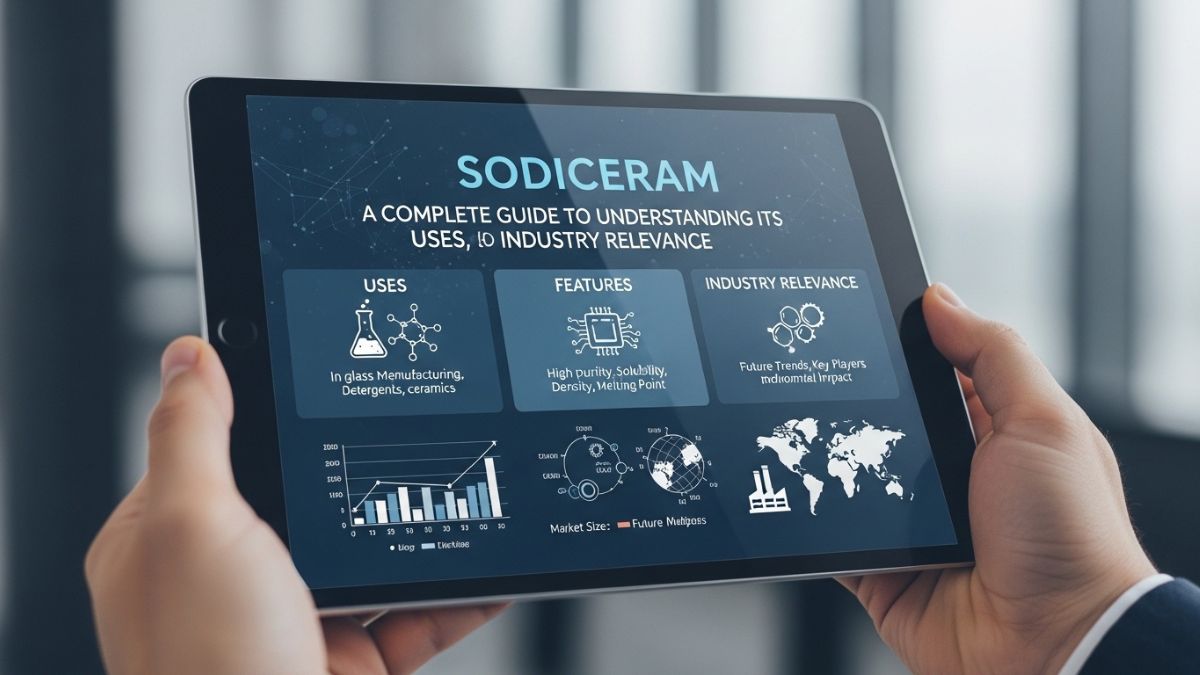
Sodiceram is a term that may be associated with ceramic materials, industrial solutions, specialized products, or branded applications depending on context. As interest in advanced materials and specialized manufacturing continues to grow, Sodiceram has gained attention among those researching product innovation, performance characteristics, and potential industrial uses. Understanding Sodiceram involves exploring its features, possible applications, material-related advantages, and broader relevance.
Whether referenced in relation to ceramic technologies, engineered materials, or product-focused solutions, Sodiceram can be examined through its practical value, durability considerations, and possible performance benefits. For businesses, buyers, and researchers, evaluating often involves understanding where it may fit and how it may offer advantages.
This guide explores , including possible uses, features, benefits, considerations, and future trends.
What Is Sodiceram
may refer to a concept associated with ceramic-based materials, products, or systems.
Depending on context, it may relate to:
Industrial applications
Material solutions
Surface technologies
Specialized ceramic products
Engineered components
| Category | Possible Relevance |
|---|---|
| Industrial Materials | Performance applications |
| Surface Technologies | Functional use |
| Ceramic Components | Structural support |
| Specialized Products | Targeted solutions |
Its interpretation may vary by industry context.
Core Features of Sodiceram
may be associated with several important features.
Potential features may include:
Durability
Heat resistance
Material stability
Structural reliability
Functional versatility
| Feature | Possible Benefit |
|---|---|
| Durability | Long-term use |
| Heat Resistance | High-temperature suitability |
| Stability | Reliable performance |
| Versatility | Broader applications |
These characteristics often influence interest.
Possible Applications of Sodiceram
may be discussed across several application areas.
Industrial Uses
Potential industrial applications may include:
Manufacturing processes
Specialized components
Protective surfaces
Performance materials
Commercial Uses
Possible commercial uses may include:
Product integration
Surface solutions
Functional installations
Technical Uses
Some technical contexts may involve:
Engineered systems
High-performance environments
Specialized support roles
| Application Area | Potential Use |
|---|---|
| Industrial | Process support |
| Commercial | Functional solutions |
| Technical | Specialized systems |
Application suitability often depends on needs.
Material Properties Associated With Sodiceram
Material-related performance often shapes evaluation.
Possible properties may include:
Hardness
Resistance qualities
Structural consistency
Environmental tolerance
| Property | Why It Matters |
|---|---|
| Hardness | Durability support |
| Resistance | Performance protection |
| Structural Consistency | Reliability |
| Environmental Tolerance | Broader use potential |
Material properties often affect value.
Benefits of Sodiceram
Potential benefits may include:
Long service life
Performance stability
Application flexibility
Support for demanding conditions
| Benefit | Possible Impact |
|---|---|
| Longevity | Better value potential |
| Stability | Consistent performance |
| Flexibility | Wider usefulness |
| Condition Support | Better durability |
These benefits may influence adoption.
Sodiceram in Industrial Environments
Industrial use often emphasizes performance.
Possible priorities may include:
Reliability under stress
Resistance support
Durability in demanding settings
Operational consistency
| Industrial Need | Potential Relevance |
|---|---|
| Reliability | Stronger performance |
| Resistance | Protection support |
| Durability | Long-term value |
| Consistency | Operational stability |
These factors may matter in industrial evaluation.
How to Evaluate Sodiceram
Evaluating may involve considering:
Application fit
Material requirements
Performance expectations
Environmental conditions
Budget considerations
Evaluation Factors
| Priority | Focus |
|---|---|
| Application Fit | Practical suitability |
| Material Needs | Functional alignment |
| Performance Goals | Expected outcomes |
| Budget | Value assessment |
Evaluation often improves decisions.
Sodiceram and Durability Considerations
Durability is often a major factor.
Areas to consider may include:
Wear resistance
Long-term performance
Maintenance needs
Environmental exposure tolerance
| Durability Factor | Possible Benefit |
|---|---|
| Wear Resistance | Extended usability |
| Long-Term Stability | Reliability |
| Maintenance Needs | Operational efficiency |
| Exposure Tolerance | Broader applications |
Durability often supports value.
Common Mistakes When Assessing Sodiceram
Some mistakes may limit effective evaluation.
Examples include:
Ignoring application requirements
Overlooking material properties
Focusing only on cost
Not reviewing long-term performance
| Mistake | Potential Problem |
|---|---|
| Poor Fit Analysis | Limited performance |
| Ignoring Properties | Weak alignment |
| Cost-Only Focus | Lower value |
| No Long-Term Review | Hidden risks |
Avoiding these issues may improve decisions.
Sodiceram Compared by Key Factors
Different priorities may shape comparison.
| Comparison Factor | Evaluation Focus |
|---|---|
| Durability | Long-term performance |
| Flexibility | Application range |
| Stability | Reliability |
| Value | Practical return |
Comparison often helps selection.
Sodiceram and Maintenance Considerations
Maintenance may affect long-term outcomes.
Potential considerations may include:
Cleaning requirements
Inspection routines
Operational monitoring
Performance checks
| Maintenance Area | Benefit |
|---|---|
| Cleaning | Better upkeep |
| Inspection | Problem prevention |
| Monitoring | Performance support |
| Checks | Consistency |
Maintenance may support longevity.
Sodiceram in Commercial Applications
Commercial settings may prioritize:
Durability
Visual consistency
Functional performance
Cost efficiency
| Commercial Need | Potential Benefit |
|---|---|
| Durability | Longer use |
| Consistency | Better appearance |
| Performance | Functional value |
| Cost Efficiency | Budget support |
Commercial priorities may differ from industrial needs.
Common Questions About Sodiceram
What is Sodiceram?
may refer to a ceramic-related product, system, or material solution depending on context.
What are the benefits of Sodiceram?
Potential benefits may include durability, stability, and application flexibility.
Where can Sodiceram be used?
Possible uses may include industrial, commercial, and specialized technical environments.
How should Sodiceram be evaluated?
Evaluation often depends on performance needs, material fit, and long-term value.
Key Insights About Sodiceram
Several themes often matter most.
| Key Insight | Explanation |
|---|---|
| Fit Matters | Application alignment is important |
| Durability Supports Value | Longevity matters |
| Material Properties Matter | Performance depends on properties |
| Maintenance Supports Outcomes | Care affects results |
These insights often support stronger choices.
Future Trends Related to Sodiceram
Innovation may continue shaping interest.
Important trends may include:
Advanced material development
Higher-performance applications
Broader commercial uses
Improved engineering solutions
| Trend | Potential Benefit |
|---|---|
| Material Innovation | Better performance |
| Expanded Applications | Broader use |
| Engineering Advances | Improved solutions |
| Commercial Growth | Increased relevance |
These trends may influence future development.
Building a Strategy Around Sodiceram Selection
A practical approach may include:
Defining needs
Comparing material factors
Evaluating durability
Reviewing value considerations
| Strategy Step | Purpose |
|---|---|
| Define Needs | Better direction |
| Compare Factors | Informed selection |
| Evaluate Durability | Long-term planning |
| Review Value | Smarter decisions |
Structure often improves outcomes.
Sodiceram and Value Considerations
Value often depends on more than price.
Questions to consider:
Does it meet performance needs?
Is durability aligned with use?
Does it support long-term value?
Does it fit the intended application?
| Value Factor | Importance |
|---|---|
| Performance Fit | High |
| Durability | High |
| Application Match | High |
| Budget Alignment | Important |
The best value often depends on fit.
Practical Factors Before Choosing Sodiceram
Before choosing , some may review:
Use environment
Operational demands
Maintenance expectations
Performance priorities
| Practical Factor | Why It Matters |
|---|---|
| Use Environment | Suitability |
| Operational Demands | Performance fit |
| Maintenance Expectations | Lifecycle planning |
| Priorities | Better decisions |
Practical review often supports selection.
Conclusion
Sodiceram may represent a relevant option in contexts involving ceramic-related materials, specialized products, or performance-focused solutions. Its value often depends on factors such as durability, application fit, material properties, and long-term reliability.
By evaluating features, comparing priorities, and considering practical needs, buyers and decision-makers can make more informed choices related to .
For those exploring performance materials or specialized solutions, understanding can provide a stronger foundation for smarter decisions.
-

 HEALTH6 months ago
Benefits of Drinking Lemon with Warm Water Daily
-

 TECHNOLOGY8 months ago
GlarklyHub: A Complete Guide to Understanding Its Digital Impact and Growing Popularity
-

 TECHNOLOGY8 months ago
Gessolini: The Meaning, Digital Presence, and Growing Online Interest
-

 BLOG7 months ago
Bijnesh: Meaning, Origin, Cultural Significance, and Modern Relevance
-

 TECHNOLOGY8 months ago
Cjmonsoon: Its Meaning, Digital Presence, and Growing Popularity
-

 TECHNOLOGY7 months ago
Fappelo: A Complete Guide to Digital Innovation and Brand Growth
-
 CRYPTO6 months ago
Crypto.com Credit Card: Complete Guide to Rewards, Benefits, and How It Works
-

 HEALTH7 months ago
Palo Azul Benefits: Complete Guide to Uses, Nutrition, and Wellness Potential