
HEALTH
How Do I Get More REM Sleep? Simple Ways to Get More Dream Sleep


REM sleep is the dreaming stage of sleep. It is when the brain processes memories, works through emotions and consolidates what you learned during the day. Unlike deep sleep, which is front-loaded in the night, REM sleep gets longer with each cycle — the longest REM periods come in the last third of the night. That is why cutting the night short hits REM first.
1. Sleep long enough to reach the long REM periods
REM cycles repeat roughly every 90 minutes and get longer each time. If you sleep six hours, you miss much of the longest REM of the night. Most adults need seven to nine hours to get a full share of REM sleep.
2. Keep a steady schedule
REM sleep is sensitive to your body clock. Going to bed and waking at irregular times scatters your sleep cycles, and REM is usually the loser. A regular schedule helps the cycles line up night after night. A steady morning helps too — daylight and a simple drink such as lemon with warm water set the day up well.
3. Protect the last hours of the night
Because REM is concentrated late in the night, anything that wakes you at 4 or 5 am — an alarm set too early, a noisy street, a bright room — cuts into REM directly. Blackout curtains and a quiet room pay off most in those final hours.
4. Be careful with alcohol and late-night sedatives
Alcohol suppresses REM sleep in the first half of the night, and the body often rebounds with broken, vivid dreaming later. Sleeping pills can also change the balance of sleep stages. If you use any sleep aid regularly, ask a doctor how it affects REM.
5. Move during the day
Regular exercise is linked with healthier sleep architecture overall, including more stable REM. You do not need intense workouts — a brisk 30-minute walk most days is enough to make a difference.
6. Manage stress before bed
REM sleep is where the brain processes the day’s emotions. Going to bed with a racing mind does not stop REM, but it can fragment it. A short wind-down — writing tomorrow’s to-do list on paper, slow breathing, or reading something light — gives the brain a cleaner start to the night.
7. Do not chase REM with gadgets
Supplements and devices that promise “more REM” are mostly unproven. The reliable levers are boring ones: enough hours, a regular schedule, no alcohol late, and a dark, quiet room. If you are curious about supplements, our guide comparing magnesium citrate vs glycinate explains the two common forms.
Frequently asked questions
What is REM sleep for? It supports memory, learning and emotional processing, and it is the stage in which most vivid dreaming happens.
How much REM sleep is normal? Roughly 20–25% of the night for most adults — about 90 minutes to two hours in an eight-hour night.
Why do I remember dreams some mornings and not others? You usually remember a dream if you wake during or just after a REM period. Waking at other points means the dream fades before you notice it.
REM sleep rewards consistency more than effort. Give yourself a full night, keep the schedule steady, and the long dreaming periods at the end of the night will take care of themselves.

Deep sleep is the part of the night your body uses for physical recovery. Muscles repair, the immune system does maintenance work, and the brain clears away the waste products of the day. Most adults spend roughly 13–23% of the night in deep sleep, and it is concentrated in the first half of the night — which is why the first few hours after bedtime matter so much.
1. Keep the same wake time every day
Your body runs on a clock, and deep sleep follows it. Waking up at the same time every day — including weekends — trains that clock, so sleep pressure builds at the right hour and deep sleep arrives earlier in the night. A fixed wake time matters more than a fixed bedtime.
2. Get daylight in the morning
Bright light in the first hour after waking tells your brain the day has started. That signal sets the timer for melatonin release about 14–16 hours later. A 10–20 minute walk outside in the morning is one of the simplest ways to sleep deeper at night. A morning walk also pairs well with a simple morning drink — many people start the day with lemon with warm water.
3. Exercise — but finish a few hours before bed
Regular exercise, especially in the morning or afternoon, is one of the most reliable ways to increase deep sleep. Vigorous exercise very close to bedtime can raise body temperature and alertness, so aim to finish at least three hours before you plan to sleep.
4. Make the bedroom cool, dark and quiet
Deep sleep comes more easily when your core temperature can drop. Most people sleep best in a room around 18–20°C (65–68°F). Blackout curtains or an eye mask block light, and earplugs or a steady fan sound cover noise.
5. Cut caffeine earlier than you think
Caffeine has a half-life of about five to six hours, so a coffee at 4 pm can still be active at 10 pm. It does not just make falling asleep harder — it can lighten the sleep you do get. Try a caffeine cut-off at least eight hours before bedtime.
6. Skip the nightcap
Alcohol may make you feel drowsy, but it fragments sleep and suppresses deep sleep in the first half of the night. If you drink, keep it to one drink and finish it at least three hours before bed.
7. Wind down without a screen
The last 30–60 minutes before bed are a runway, not a race. Dim the lights, read a book, stretch, or take a warm shower — the warm water raises skin temperature and then lets it fall, which mimics the natural cooling that precedes deep sleep. Some people also look into magnesium before bed — our guide compares magnesium citrate vs glycinate and which form suits different needs.
8. Keep naps short and early
A 20-minute nap before 3 pm can help. A long or late nap steals sleep pressure from the night and pushes deep sleep later, or reduces it altogether.
9. Give it two weeks
Sleep habits do not change overnight. Try these changes together for at least two weeks and notice how you feel in the morning — deep sleep shows up as waking up rested rather than groggy.
Frequently asked questions
How much deep sleep do I need? Most adults get about 1–2 hours a night, roughly 13–23% of total sleep. The exact number varies by age and person.
Can I track deep sleep accurately at home? Wearables give a rough estimate, not a medical measurement. Use them to spot trends over weeks, not to judge a single night.
Does deep sleep decline with age? Yes, it tends to decrease gradually as we get older, which makes the habits above more — not less — worth keeping.
Deep sleep is not something you can force; it is something you make room for. A steady schedule, morning light, movement during the day and a cool, dark room give your body the conditions it needs to do the work. Deep sleep is only one stage of the night — our guide on how to get more REM sleep covers the dreaming stage that fills the later part of the night.

Cataract surgery is a common and highly effective procedure that helps restore clear vision by replacing the eye’s cloudy lens. While the surgery itself is usually quick and straightforward, the steps taken before the procedure play an important role in ensuring a smooth experience and successful outcome.
Understanding how to prepare for cataract surgery can help reduce uncertainty and make the process feel more manageable. From medical evaluations to simple lifestyle adjustments, preparation allows both patients and healthcare providers to approach the procedure with confidence.
Why Preparation Matters Before Cataract Surgery
Proper preparation helps identify any factors that could affect the surgery or recovery. Each eye is unique, and understanding its condition allows surgeons to plan the procedure more accurately. This preparation also helps minimize risks and supports better visual outcomes.
During this stage, patients have the opportunity to discuss their expectations and ask questions. Clear communication ensures that the chosen treatment approach aligns with individual needs and lifestyle.
Taking time to prepare also helps patients feel more at ease, which can make the overall experience smoother.
Initial Eye Examination and Measurements
Before surgery, a detailed eye examination is performed to assess overall eye health. This includes measuring the shape and size of the eye, evaluating the retina, and determining the appropriate power of the artificial lens.
These measurements are essential for selecting the intraocular lens that will replace the natural one. Accuracy at this stage plays a key role in how well a person sees after surgery.
Additional tests may be conducted if there are other eye conditions present, ensuring that all aspects of vision are considered.
Discussing Medical History
Patients are usually asked about their general health and any medications they are taking. Certain conditions, such as diabetes or high blood pressure, may influence how the eye heals after surgery.
Providing complete and accurate information helps healthcare providers make informed decisions about care. In some cases, adjustments to medications may be recommended before the procedure.
This conversation also helps identify any potential concerns early on.
Understanding the Pre-Operative Instructions
Before the day of surgery, patients receive specific instructions to follow. These may include using prescribed eye drops to reduce the risk of infection and inflammation. Following these directions carefully helps prepare the eye for the procedure.
For a more detailed overview of what is involved, this guide on cataract pre op preparation explains how different steps contribute to a safer and more effective surgery.
Patients may also be advised to avoid eating or drinking for a certain period before the procedure, depending on the type of anesthesia used.
Making Practical Arrangements for Surgery Day
Cataract surgery is typically performed on an outpatient basis, which means patients can return home the same day. However, vision may be temporarily affected immediately after the procedure, making it unsafe to drive.
Arranging transportation ahead of time ensures a smooth transition from the clinic to home. Having someone available to assist during the first day can also provide added comfort and support.
Preparing a comfortable recovery space at home can make the first few days easier, especially when rest is important.
Simple Lifestyle Considerations
Maintaining overall health before surgery can support recovery. Staying hydrated, eating balanced meals, and getting enough rest all contribute to the body’s ability to heal.
Some people explore general wellness habits, such as improving hydration routines. For example, this discussion on daily hydration practices highlights how small habits can support overall well-being.
While these steps do not replace medical preparation, they can complement it by promoting general health.
Managing Expectations Before Surgery
Understanding what cataract surgery can and cannot achieve is an important part of preparation. While the procedure is highly effective at restoring clarity, it may not eliminate the need for glasses entirely, depending on the type of lens used.
Discussing expected outcomes with an eye care professional helps set realistic goals. This conversation also provides an opportunity to learn about different lens options and how they may affect vision.
Being informed about the process helps reduce anxiety and allows patients to feel more in control.
Addressing Concerns About Safety
Cataract surgery is considered very safe, but it is natural to have questions about potential risks. Understanding how the procedure is performed and how complications are managed can provide reassurance.
Modern techniques and careful monitoring have made the procedure highly reliable. Surgeons use precise instruments and follow strict safety protocols to protect the eye during surgery.
For those interested in the broader clinical understanding of eye conditions and procedures, this resource from the British Journal of Ophthalmology offers insight into how eye health is studied and managed.
The Importance of Mental Preparation
Preparing for surgery is not only physical but also mental. Feeling informed and supported can make a significant difference in how a person experiences the procedure. Taking time to understand each step helps reduce uncertainty.
Some individuals find it helpful to write down questions in advance or discuss concerns with their healthcare provider. This approach ensures that nothing important is overlooked.
A calm and prepared mindset can contribute to a more positive overall experience.
Conclusion
Preparing for cataract surgery involves a combination of medical evaluation, practical planning, and personal readiness. Each step plays a role in supporting a smooth procedure and successful recovery.
By understanding what to expect and following pre-operative instructions carefully, patients can approach surgery with greater confidence. Thoughtful preparation helps create the foundation for improved vision and a more comfortable recovery experience.
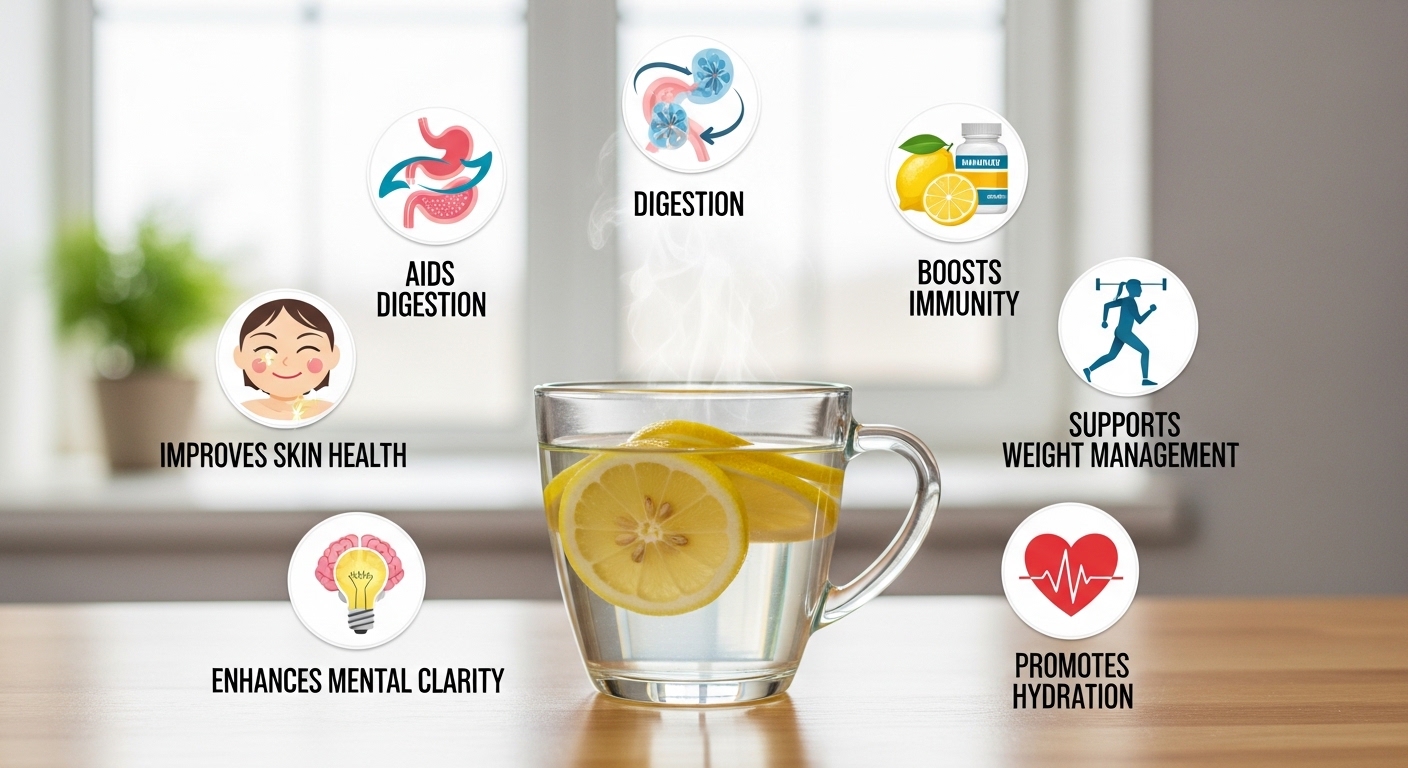
The benefits of drinking lemon with warm water have gained significant attention among health enthusiasts and nutrition experts. This simple morning habit combines two powerful natural ingredients—fresh lemon and warm water—to create a refreshing drink that supports overall wellness. Many people around the world start their day with this natural beverage because it is easy to prepare, affordable, and packed with essential nutrients.
Lemons are rich in vitamin C, antioxidants, and plant compounds that support the immune system and promote healthy digestion. When lemon juice is mixed with warm water, it becomes a gentle detox drink that helps hydrate the body, improve metabolism, and boost energy levels. Health professionals often recommend this drink as part of a balanced morning routine because it helps prepare the digestive system for the day ahead.
Understanding the benefits of drinking lemon with warm water can help individuals make healthier lifestyle choices. From improving skin health to aiding digestion and supporting weight management, this natural beverage offers several advantages that contribute to overall well-being.
Understanding the Benefits of Drinking Lemon with Warm Water
The benefits of drinking lemon with warm water come from the nutritional properties found in lemons and the hydrating effect of warm water. Lemons contain vitamins, minerals, antioxidants, and citric acid, all of which contribute to various health benefits.
Warm water, on the other hand, supports digestion and improves blood circulation. When combined, lemon and warm water create a healthy drink that supports body functions and helps eliminate toxins.
The following table highlights the key nutrients present in lemon water and their roles in supporting health.
| Nutrient | Health Benefit | Role in the Body |
|---|---|---|
| Vitamin C | Strengthens immunity | Helps fight infections |
| Citric Acid | Supports digestion | Breaks down food efficiently |
| Potassium | Improves heart health | Regulates blood pressure |
| Antioxidants | Protects cells | Reduces oxidative stress |
| Flavonoids | Anti-inflammatory effects | Supports metabolic health |
These nutrients explain why the benefits of drinking lemon with warm water are widely recognized in nutrition and wellness discussions.
Benefits of Drinking Lemon with Warm Water for Digestion
One of the most widely known benefits of drinking lemon with warm water is its ability to support digestive health. Drinking this mixture in the morning helps stimulate digestive enzymes and prepares the stomach for food intake.
Lemon juice increases the production of bile, which plays a crucial role in breaking down fats during digestion. Warm water also helps relax the digestive tract and encourages smoother bowel movements.
Many individuals experience reduced bloating and improved digestion when they make lemon water a part of their daily routine. It may also help prevent common digestive issues such as constipation and indigestion.
The table below shows how lemon water influences different aspects of digestion.
| Digestive Function | How Lemon Water Helps | Result |
|---|---|---|
| Bile Production | Stimulates liver activity | Improved fat digestion |
| Hydration | Keeps digestive system active | Reduced constipation |
| Enzyme Activation | Enhances digestive enzymes | Better nutrient absorption |
Because of these effects, the benefits of drinking lemon with warm water are often associated with improved digestive efficiency and gut health.
Benefits of Drinking Lemon with Warm Water for Weight Management
Another reason people adopt this habit is the potential benefits of drinking lemon with warm water for weight management. Although lemon water alone is not a miracle weight-loss solution, it can support a healthy diet and lifestyle.
Lemon water is low in calories and can replace sugary drinks such as sodas and juices. Drinking it in the morning can also help reduce appetite and increase feelings of fullness.
Additionally, the antioxidants and plant compounds found in lemons may help support metabolic processes. Staying hydrated with lemon water also helps maintain proper metabolism, which plays a key role in maintaining a healthy weight.
The table below explains how lemon water contributes to weight management.
| Factor | Effect of Lemon Water | Benefit |
|---|---|---|
| Low Calories | Replaces sugary drinks | Reduced calorie intake |
| Hydration | Improves metabolism | Better energy balance |
| Appetite Control | Promotes fullness | Reduced overeating |
These factors demonstrate how the benefits of drinking lemon with warm water can support individuals who are working toward maintaining a balanced diet.
Benefits of Drinking Lemon with Warm Water for Skin Health
Healthy skin is another advantage associated with the benefits of drinking lemon with warm water. Lemons contain high levels of vitamin C, which plays an important role in collagen production.
Collagen helps maintain skin elasticity and reduces the appearance of wrinkles. Antioxidants in lemon water also protect skin cells from damage caused by environmental factors such as pollution and sunlight.
Proper hydration is essential for maintaining clear and healthy skin. Drinking warm lemon water regularly helps keep the body hydrated, which may contribute to a more radiant complexion.
Below is a table highlighting how lemon water supports skin health.
| Skin Benefit | Nutrient Responsible | Result |
|---|---|---|
| Collagen Production | Vitamin C | Improved skin elasticity |
| Antioxidant Protection | Flavonoids | Reduced skin damage |
| Hydration | Water content | Healthier skin appearance |
For many individuals, the benefits of drinking lemon with warm water include noticeable improvements in skin texture and overall glow.
Benefits of Drinking Lemon with Warm Water for Immune System Support
The immune system also benefits from the benefits of drinking lemon with warm water. Vitamin C is a powerful antioxidant that helps strengthen the body’s defense mechanisms.
Regular consumption of lemon water may help reduce the risk of infections by supporting immune cell activity. It also assists the body in fighting free radicals, which can damage cells and contribute to illness.
Warm lemon water can also help soothe the throat and keep the body hydrated, which is especially helpful during cold and flu seasons.
The following table explains the relationship between lemon water and immune health.
| Immune Support Factor | Role of Lemon Water | Health Impact |
|---|---|---|
| Vitamin C Intake | Boosts immune cells | Improved resistance to illness |
| Antioxidants | Neutralize free radicals | Reduced inflammation |
| Hydration | Maintains body balance | Better immune response |
These factors make the benefits of drinking lemon with warm water an important part of maintaining overall health.
Benefits of Drinking Lemon with Warm Water for Detoxification
Another popular claim regarding the benefits of drinking lemon with warm water is its ability to support natural detoxification. While the body already has organs such as the liver and kidneys that remove toxins, lemon water can help support these natural processes.
Lemons stimulate liver activity and encourage the production of bile, which helps eliminate waste from the body. Warm water also improves circulation and supports kidney function.
When consumed regularly, lemon water may assist the body in maintaining proper fluid balance and promoting natural cleansing processes.
The table below highlights detox-related benefits.
| Detox Function | Lemon Water Contribution | Outcome |
|---|---|---|
| Liver Support | Stimulates bile production | Better toxin removal |
| Kidney Function | Promotes hydration | Efficient waste elimination |
| Circulation | Warm water improves blood flow | Enhanced detox process |
These factors explain why the benefits of drinking lemon with warm water are often associated with body cleansing and detox support.
Best Way to Prepare Lemon with Warm Water
To fully experience the benefits of drinking lemon with warm water, it is important to prepare the drink correctly. Fresh lemons are recommended because they contain higher levels of nutrients and natural compounds.
The preparation process is simple and can be easily incorporated into a daily routine.
-

 CRYPTO9 months ago
Crypto.com Credit Card: Complete Guide to Rewards, Benefits, and How It Works
-

 HEALTH8 months ago
Benefits of Drinking Lemon with Warm Water Daily
-

 BUSINESS7 months ago
Outsourcing Customer Service: A Complete Guide to Benefits, Challenges, and Smart Strategies
-

 BLOG7 months ago
Soundgasm: A Complete Guide to the Popular Audio Sharing Platform
-

 BUSINESS8 months ago
How to Effectively Use Betanden for Enhanced Productivity
-

 TECHNOLOGY10 months ago
Fappelo: A Complete Guide to Digital Innovation and Brand Growth
-

 BUSINESS8 months ago
Deshoptec com: A Complete Guide to Understanding Deshoptec com in the Modern E-Commerce World
-

 HEALTH9 months ago
Palo Azul Benefits: Complete Guide to Uses, Nutrition, and Wellness Potential