
BLOG
What Is FintechZoom.com? How to Use the Finance News Platform in 2026


If you landed here after typing fintechzoom.com into a search bar, you are not alone. People usually want a straight answer: is this a trading app, a news site, a data terminal, or something else entirely?
Here is the short version. FintechZoom.com is a financial media and market-information website. It publishes news and explainers on stocks, crypto, banking, payments, commodities, and the broader economy. It is not a brokerage. It does not hold your money. It does not execute trades.
That distinction matters. A lot of first-time visitors expect an order ticket. What they actually get is closer to a magazine plus a market dashboard.
This guide walks through what the site covers, who it helps, how to use it without getting misled, and where it falls short.
What FintechZoom.com Actually Is
Think of the site as a newsroom sitting between Yahoo Finance-style dashboards and a fintech trade magazine.
It aggregates public market data and pairs it with editorial stories. Typical coverage includes:
- U.S. and global stock indices
- Bitcoin, Ethereum, and other digital assets
- Forex and commodities such as gold and oil
- Banking, payments, and fintech product news
- Macro stories: rates, inflation, regulation
Most core articles are free to read. Some platforms in this family also promote premium alerts or deeper tools. Treat those as optional extras, not a requirement to use the site.
What it is not
This part is worth saying twice.
- It is not a licensed broker-dealer.
- It is not a crypto exchange.
- It is not a bank.
- It is not Bloomberg Terminal.
If a pop-up, lookalike domain, or social ad asks you to deposit funds “through FintechZoom,” pause. Impersonation sites are common around popular finance brands. The real site publishes articles. It does not ask for wallet seed phrases or wire transfers.
What You Will Find on the Site
The layout is built around the topics readers check every day.
Markets and world indices
Expect pages that track the S&P 500, Nasdaq, Dow Jones, and other global benchmarks such as the FTSE 100, DAX, and Nikkei. Stories usually combine a price move with a short explanation: earnings, a central-bank speech, or a sector rotation.
That combination is the real product. Raw prices are available everywhere. Context is what keeps people coming back.
Crypto and digital assets
Crypto is often the highest-traffic section. You will see price wrap-ups, regulation updates, exchange news, and explainers on topics such as stablecoins or ETF flows.
Use this section the same way you use any crypto headline feed: useful for awareness, not a substitute for on-chain data or your own risk rules.
Banking, payments, and fintech
This is where the brand name makes sense. Stories here cover neobanks, card networks, lending apps, RegTech, and how software is changing ordinary money tasks.
If you work in product, compliance, or payments, this lane is more useful than another generic “markets closed mixed” recap.
Personal finance and business
You will also find money guides: budgeting themes, investment basics, and business-finance explainers. Quality varies by article, so read the date and the sourcing before you act on a tip.
How FintechZoom.com Compares With Other Finance Sites
People rarely choose one finance site and ignore the rest. They stack them. The table below shows how this platform usually sits next to familiar alternatives.
| Platform type | Best for | Trading on-site? | Typical strength | Typical gap |
|---|---|---|---|---|
| FintechZoom-style media sites | Fast headlines + mixed market/fintech coverage | No | Breadth across stocks, crypto, and fintech | Not institutional-grade data |
| Yahoo Finance / Investing.com | Quotes, watchlists, filings | No | Depth of tickers and fundamentals | Less fintech narrative |
| CoinMarketCap / CoinGecko | Crypto prices and rankings | No | Coin universe and market-cap data | Weak traditional-market context |
| Broker research hubs | Actionable trade ideas for clients | Yes, via the broker | Execution plus research | Biased toward products they sell |
| Terminals (Bloomberg, Refinitiv) | Professional desks | No (data only) | Speed, history, and compliance-grade feeds | Cost and complexity |
The takeaway is simple. Use a media site to stay oriented. Use a regulated broker to place orders. Use a terminal if your job requires audit-ready data.
How to Use the Platform Without Wasting Time
A good routine beats a “best website” debate.
A practical daily workflow
- Open the markets or indices page and note the direction of the major benchmarks.
- Scan one crypto wrap if you hold digital assets.
- Read one longer piece that explains a move, not just reports it.
- Cross-check any number you might act on with a second source.
- Leave. Do not treat the homepage as a trading floor.
That last step is underrated. Infinite scroll is designed to keep you there. Your job is to extract a few facts and move on.
Who gets the most value
- Retail investors who want one place for stocks and crypto headlines
- Founders and operators tracking payments, banking, and regulation
- Students learning how market stories are framed
- Professionals who already have a broker and only need extra context
Who should look elsewhere first? Anyone who needs tick-level data, options chains with full Greeks, or legally binding research for a fund.
Coverage Map: What Each Section Is For
Use this as a quick reference when you are deciding which page to open.
| Section | Search intent it serves | What to read first | What not to expect |
|---|---|---|---|
| Markets / indices | “What did the market do today?” | Index move + driver | A personal buy/sell signal |
| Crypto | “Why did Bitcoin move?” | Price + regulation or flow story | Guaranteed forecasts |
| Banking & fintech | “What is changing in money apps?” | Product or policy piece | A full due-diligence file |
| Economy | “How do rates or inflation matter?” | Central-bank or jobs explainer | A complete macro model |
| Personal finance | “How should I think about this money decision?” | Framework article | Personalized advice |
Pros and Cons
Pros
- One feed that mixes traditional markets and fintech, instead of forcing you to jump between five apps
- Free core reading for most visitors
- Useful for beginners who need plain-language explainers
- Helpful as a second screen while you already have a broker open
- Global index coverage is broader than many local news sites
Cons
- Data quality is aggregator-level, not exchange-official for every field
- Lookalike domains and copycat brands create confusion
- Some articles lean promotional or thin on sources
- Not a replacement for filings, official exchange data, or licensed advice
- Premium tiers, where they exist on related products, can be expensive relative to free alternatives
Common Mistakes Readers Make
Treating headlines as trade signals. A story that says “stocks rally on rate-cut hopes” is a description, not a plan.
Confusing the website with a broker. If you cannot find an order ticket, that is by design.
Trusting the first chart you see. Delayed quotes, rounded figures, and recycled widgets are normal on media sites. Confirm before you size a position.
Ignoring the date. Finance pages get republished and updated. A 2023 rate story can look current if you only read the headline.
Clicking lookalike URLs. Typo domains and extra letters are a real problem in this niche. Bookmark the site you trust instead of hunting through ads.
Reading only crypto or only stocks. The useful insight is often the link between them: liquidity, regulation, or risk appetite.
Best Practices for Getting Reliable Value
Start with a question, not a scroll. “Did the Fed change the path of rates?” is a better prompt than “what’s new?”
Prefer articles that name a source: an earnings release, a central-bank statement, a filing, or a named data vendor.
Keep a two-source rule for anything that could cost you money. Pair the article with the official release or your broker’s quote.
Separate education from execution. Learn the vocabulary on a media site. Place the trade where you are legally onboarded.
Watch for conflicts. Sponsored explainers and affiliate product roundups should be labeled. If they are not, discount the recommendation.
Protect yourself from impersonation. A legitimate finance publisher will not DM you for deposits or recovery phrases.
Revisit your information diet. If you already check three market sites every morning, adding a fourth rarely improves decisions. It just adds noise.
A Simple Framework Before You Act on Any Story
Use this checklist when a headline makes you want to do something.
| Checkpoint | Question to ask | Pass condition |
|---|---|---|
| Source | Who reported the underlying fact? | Named primary source |
| Timing | Is the data live, delayed, or recycled? | Timestamp is clear |
| Scope | Does this apply to my market and account type? | Yes, or you adjust |
| Incentive | Is someone selling a product in the same piece? | Disclosure is obvious |
| Next step | Do I need a broker, a filing, or just a note? | You know the venue |
If you cannot clear those five boxes, keep reading. Do not click “buy.”
Conclusion
FintechZoom.com works best as a briefing layer. It helps you see what moved, which fintech stories are circulating, and how crypto and traditional markets are being framed on the same day.
It fails when people ask it to be a broker, a compliance archive, or a crystal ball.
Use it for orientation. Confirm numbers elsewhere. Keep your money on a regulated platform. That split — read here, act there — is the difference between a useful habit and an expensive mix-up.
If you treat the site as one input among several, it earns a spot in a weekday routine. If you treat it as the whole market, you are asking a newsroom to do a job it was never built to do.
5 SEO FAQs
What is FintechZoom.com?
It is an independent financial media website that publishes news and analysis on stocks, cryptocurrency, banking, payments, commodities, and the economy. It is not a trading venue.
Can I buy stocks or Bitcoin on FintechZoom.com?
No. The site does not execute trades or custody assets. You need a licensed broker or exchange for that.
Is FintechZoom.com free?
Most articles are free to read. Some related products advertise paid alerts or premium tools. You can use the core news sections without paying.
Is the market data on FintechZoom.com real-time?
It is typically aggregated from public feeds and may be delayed or rounded depending on the widget. Confirm prices on your broker or an official exchange page before trading.
How do I avoid fake FintechZoom websites?
Type the address carefully, bookmark the site you trust, and never send funds or seed phrases to anyone claiming to represent the brand. A publisher does not need your wallet.

Bridget Norris is a former entertainment attorney, mother of five, and business owner who has built a quiet but meaningful life in Temecula, California, alongside her husband, actor Dean Norris. While many people first discover her name through her marriage to the actor best known for playing Hank Schrader on Breaking Bad, her own story begins long before the television spotlight arrived.
She trained as a lawyer, stepped back from active practice to raise her family, and later helped create two local institutions that serve the Temecula Valley community: a performing arts center and a historic cafe. Her path shows how professional skills and personal priorities can shift over time without losing impact.
Who Is Bridget Norris?
Bridget Norris (also listed professionally as A. Bridget Norris) earned her undergraduate degree from UCLA in 1994, graduating summa cum laude. She then attended Harvard Law School, where she received her J.D. in 1997, graduating cum laude. She was admitted to the California State Bar on December 9, 1997, and focused her practice on entertainment and the arts.
After building that early career, she transitioned away from full-time legal work. Family life and community projects became her main focus. She and Dean Norris married on October 27, 2001. Together they have five children—three sons and two daughters. The family settled in Temecula, where they have lived for more than two decades.
| Key Fact | Details |
|---|---|
| Education | UCLA (BA, 1994, summa cum laude); Harvard Law School (JD, 1997, cum laude) |
| Bar Admission | California State Bar, December 9, 1997 (#193038) |
| Marriage | October 27, 2001, to actor Dean Norris |
| Children | Five (three sons, two daughters) |
| Residence | Temecula, California |
| Main Public Projects | Norris Performing Arts Center (Murrieta); Swing Inn Cafe (Temecula) |
This combination of elite legal training and a deliberate move toward family and local work has shaped the public parts of her story.
Early Career in Entertainment Law
Before Dean Norris’s biggest roles brought wider attention to the family, Bridget was already working in the entertainment industry from the legal side. Entertainment transactional work involves contracts, rights, and business terms for films, television, and related projects. It requires strong attention to detail and an understanding of how creative industries operate.
By the late 2000s she had moved her California bar status to inactive. Raising five children while supporting a household whose schedule followed film and television production made full-time law practice difficult. Many parents in similar situations make the same practical choice. She retained the legal knowledge and business experience that later proved useful when the couple launched their own ventures.
Marriage, Family, and Life in Temecula
Dean and Bridget Norris built their life together well before Breaking Bad made Dean a household name. They chose Temecula as a place to raise their children away from the daily intensity of Los Angeles. The area offered space, good schools, and a strong sense of community—qualities that aligned with how they wanted to live.
Managing a household of five children requires organization, flexibility, and long-term planning. Bridget has kept a relatively private personal life, which is consistent with many families connected to Hollywood who prefer to keep their children out of the public eye. The couple’s shared decision to invest in local businesses later reflected the same desire to put down roots in the place they called home.
The Norris Performing Arts Center
In 2017–2018, Dean and Bridget opened the Norris Performing Arts Center (N-PAC) in Murrieta, just outside Temecula. The idea was straightforward: create one high-quality place where children and teens could train in dance, singing, acting, and theater.
Bridget manages the center’s daily operations. The facility offers classes for students from about 18 months to 18 years old. Programs include recreational and competitive dance (tap, jazz, ballet, contemporary, hip-hop, and more), vocal training, musical theater, and film/acting classes. The center has earned national recognition, including strong results in tap dance competitions and success placing students in commercials, television, and college performing-arts programs.
Students and parents often describe the environment as supportive and focused on both technique and personal growth. For Bridget, the center represents a natural extension of her earlier entertainment-industry experience—now directed toward teaching the next generation rather than negotiating contracts for established professionals.
Swing Inn Cafe and Local Business Life
In August 2022, the couple purchased the historic Swing Inn Cafe in Old Town Temecula. The restaurant dates to 1927 and is one of the oldest continuously operating eateries in the area. They bought both the business and the property for roughly $6 million, preserving the classic breakfast menu while adding Texas-style barbecue and expanded service hours.
Dean has been publicly hands-on with the restaurant, including the addition of a large smoker nicknamed “Hank’s Tank.” Bridget’s role has been more behind the scenes, consistent with how she has approached the arts center. Running two distinct businesses—one focused on youth arts education and one on a historic restaurant—requires different skill sets, yet both draw on the same foundation of community investment.
| Venture | Location | Opened / Acquired | Primary Focus | Bridget’s Role |
|---|---|---|---|---|
| Norris Performing Arts Center (N-PAC) | Murrieta, CA | ~2017–2018 | Dance, vocals, acting, theater for ages 18 months–18 | Manages daily operations |
| Swing Inn Cafe & BBQ | Old Town Temecula, CA | August 2022 | Historic breakfast + Texas-style BBQ | Co-owner; supportive of operations |
These projects show a clear pattern: use professional skills and resources to strengthen the local community rather than chase broader fame.
Pros and Cons of Her Path
Pros
- Elite legal training provided a strong foundation for later business decisions.
- Private family life has allowed the children to grow up with relatively normal experiences.
- Local businesses create ongoing community value and jobs.
- Flexibility to step away from active law practice when family needs were highest.
Cons
- Reduced public visibility means less recognition for her own professional accomplishments.
- Managing multiple businesses while raising five children demands significant time and energy.
- Restaurant ownership brings operational challenges, including recent financial restructuring for the Swing Inn entity.
- Shifting from a high-profile legal career to local work can feel like a step back to some observers, even when it is a deliberate choice.
Common Mistakes People Make When Learning About Bridget Norris
Many readers assume she has always been primarily “Dean Norris’s wife.” That framing overlooks her Harvard Law degree, California bar admission, and years of entertainment-industry work. Another frequent error is treating her community projects as hobbies rather than serious businesses that require daily management. Finally, some coverage focuses only on celebrity connections and misses the practical realities of raising five children while operating local ventures.
Best Practices for Understanding Her Story
Start with primary details: her education, bar status, marriage date, and the specific businesses she helps run. Look at the performing arts center’s actual programs and student outcomes rather than just the founders’ names. Recognize that many accomplished people intentionally keep a lower public profile once family becomes the priority. Finally, view the Swing Inn and N-PAC as complementary efforts—one preserving local history, the other building creative skills for the next generation.
Conclusion
Bridget Norris’s life illustrates a deliberate shift from a high-powered legal career to family and community-focused work. She earned strong academic credentials, practiced entertainment law, raised five children with Dean Norris, and then helped create a respected performing arts center and took on a historic local restaurant. While she rarely seeks the spotlight, her contributions in Temecula and Murrieta are concrete and ongoing. For anyone researching her name, the most accurate picture includes both the professional training she completed early on and the practical, place-based projects that define her current chapter.
FAQs
Who is Bridget Norris married to?
Bridget Norris is married to actor Dean Norris, best known for playing Hank Schrader on Breaking Bad. They wed on October 27, 2001, and have five children together.
What is Bridget Norris’s educational background?
She graduated from UCLA in 1994 (summa cum laude) and earned her J.D. from Harvard Law School in 1997 (cum laude). She was admitted to the California State Bar in December 1997.
What businesses is Bridget Norris involved with?
She co-founded and helps manage the Norris Performing Arts Center in Murrieta and co-owns the historic Swing Inn Cafe in Old Town Temecula.
How many children do Bridget and Dean Norris have?
They have five children—three sons and two daughters. The family has lived in Temecula, California, for more than two decades.
Did Bridget Norris continue practicing law after marriage?
She practiced as an entertainment attorney after her 1997 admission but moved her California bar status to inactive in 2008. Family responsibilities became her primary focus thereafter.
Intelligent putty has quietly become one of the most satisfying toys and stress-relief tools you can keep on your desk. You stretch it slowly and it turns into a long, silky strand. You pull it quickly and it snaps cleanly. Roll it into a ball and it bounces higher than you expect. This unusual silicone material, also known as thinking putty or smart putty, behaves like both a liquid and a solid depending on how you handle it.
Unlike regular modeling clay, intelligent putty never dries out and leaves almost no residue on your hands. That combination of science and play makes it popular with kids, adults, teachers, and therapists alike. In this guide, you’ll learn exactly what intelligent putty is, why it works the way it does, the different varieties available, and how to get the most out of it.
What Is Intelligent Putty?
Intelligent putty is a non-toxic, silicone-based putty that exhibits non-Newtonian properties. It flows under slow, gentle pressure but resists sudden force. The material is free of water, so it does not dry out or crack over time. Most versions come in small metal tins and stay usable for years when stored properly.
The name “intelligent putty” is widely used in Europe. In the United States, the same product is usually called thinking putty or smart putty. Brands such as Intelligente Knete and Crazy Aaron’s Thinking Putty popularized the modern versions with extra effects like color change, magnetism, and glow-in-the-dark formulas.
How Intelligent Putty Works
The secret lies in its molecular structure. Intelligent putty is a viscoelastic polymer. When you apply slow force, the long polymer chains slide past each other and the putty stretches or flows. When you apply sudden force, the chains lock together and the putty acts more like a solid—it bounces or breaks.
This behavior creates the four classic properties people love:
- Stretch slowly and it forms long, thin strands.
- Pull quickly and it tears with a clean edge.
- Shape it into a ball and it bounces like rubber.
- Leave it alone and it slowly flattens under its own weight.
Because the material contains no water and is not sticky, it stays clean and ready to use anytime.
Types of Intelligent Putty
Not all intelligent putty is the same. Manufacturers add special particles or pigments to create different sensory experiences. Here is a clear comparison of the most popular varieties:
| Type | Key Feature | Best For | Age Recommendation |
|---|---|---|---|
| Classic | Smooth stretch and bounce | Everyday stress relief | 4+ |
| Magnetic | Attracted to strong magnets | Science demos and fun | 8+ |
| Heat-sensitive (color-changing) | Changes color with hand warmth | Visual sensory play | 4+ |
| Glow-in-the-dark | Charges under light, glows later | Nighttime play | 4+ |
| UV-reactive | Changes under blacklight | Party or classroom effects | 4+ |
| Crystal clear / Liquid glass | Transparent, slightly softer | Visual effects | 4+ |
Magnetic versions contain fine iron particles and work best with strong neodymium magnets. Heat-sensitive putties shift color as your hands warm them. Glow and UV types add an extra layer of surprise that keeps people engaged longer.
Benefits of Using Intelligent Putty
People keep intelligent putty nearby for practical reasons as well as fun.
Stress and anxiety relief. Kneading the putty gives your hands something repetitive and satisfying to do. Many adults use it during meetings or while working at a computer because it is quiet and discreet.
Fine motor skill development. Stretching, pinching, and rolling the material strengthens finger muscles and improves coordination. Occupational therapists sometimes recommend graded therapy putty for hand exercises, while the more playful intelligent putty versions work well for casual practice.
Sensory regulation. The combination of touch, slight resistance, and visual effects can help some children and adults stay calmer and more focused. It is especially popular in classrooms and sensory rooms.
Creative play and science learning. Kids experiment with force, temperature, and magnets. Adults rediscover simple hands-on curiosity.
How to Use Intelligent Putty Effectively
Start with clean, dry hands. Open the tin and take out a portion. Warm it by kneading for 10–15 seconds so it becomes more pliable. Try these simple activities:
- Roll it into a ball and bounce it on a hard surface.
- Stretch it slowly into a thin membrane and hold it up to the light.
- With magnetic putty, place a strong magnet nearby and watch the putty crawl toward it.
- Shape simple sculptures, then let them sit and observe how they flatten over time.
Store the putty back in its tin when you finish. Keep it away from fabric, carpet, and hair, because the material can pick up lint.
Pros and Cons of Intelligent Putty
| Aspect | Pros | Cons |
|---|---|---|
| Longevity | Never dries out, lasts for years | Can collect dust or hair if left out |
| Mess | Leaves almost no residue on hands | Can stick to certain fabrics if pressed firmly |
| Safety | Non-toxic silicone, no latex or gluten | Magnetic versions not suitable for very young children |
| Versatility | Stress relief, play, mild exercise, science demos | Not a substitute for professional therapy putty when graded resistance is required |
| Cost | Affordable and reusable | Specialty effects (magnetic, multi-color change) cost more |
Overall, the advantages outweigh the minor drawbacks for most users. The main caution is supervision with younger children and strong magnets.
Common Mistakes to Avoid
Even a simple product can be used poorly. Watch out for these frequent errors:
- Leaving putty on fabric or carpet for long periods. It can bond with fibers and become difficult to remove.
- Using magnetic putty with small children under 8. Swallowed magnets pose a serious risk.
- Expecting it to behave exactly like therapy putty. Intelligent putty is mainly for play and mild sensory input; therapists prescribe specific resistance levels for rehabilitation.
- Storing it open. Dust and lint reduce the enjoyable texture over time.
- Pulling it with excessive force on a cold day. Cold putty can be stiffer and more likely to snap unexpectedly.
Best Practices for Getting the Most Out of Intelligent Putty
Follow these habits to keep the experience enjoyable and the product in good condition:
- Warm the putty in your hands for a few seconds before intensive stretching.
- Return it to the tin after each session.
- Wash your hands before and after use if you have been handling dusty or greasy materials.
- Experiment with different force levels so you fully experience the non-Newtonian behavior.
- For classrooms or offices, keep one tin per person or clean shared putty regularly.
- Pair magnetic putty with a quality neodymium magnet for the strongest visual effect.
These small steps make intelligent putty last longer and feel better every time you pick it up.
Conclusion
Intelligent putty turns a simple silicone compound into something that still surprises people. It stretches, snaps, bounces, and sometimes changes color or moves toward a magnet—all without drying out or making a mess. Whether you want a quiet fidget for work, a sensory tool for a child, or a fun science demonstration, the material delivers reliable results.
Choose a type that matches your interests, store it properly, and give yourself a few minutes to play. Most people find that once they experience the unusual texture and behavior, they keep a tin nearby. Intelligent putty is one of those rare products that is equally useful and entertaining.
5 SEO FAQs
What is intelligent putty made of?
Intelligent putty is made from non-toxic silicone polymer. It contains no water, so it does not dry out, and most versions are free of latex, gluten, and phthalates.
Is intelligent putty safe for kids?
Standard intelligent putty is generally safe for children ages 4 and up. Magnetic versions are recommended for ages 8 and older because of the risk of swallowing magnets.
Does intelligent putty dry out?
No. Because it is silicone-based and contains no water, intelligent putty stays soft and usable for years when stored in its tin.
What is the difference between intelligent putty and therapy putty?
Intelligent putty (or thinking putty) is designed for play and sensory fun with special effects. Therapy putty is graded by resistance level and used for specific hand-strengthening exercises prescribed by therapists.
How do you clean intelligent putty?
Most of the time you do not need to clean it. If it picks up dust or lint, gently knead it and pick out larger pieces. Avoid washing with soap and water, as moisture is unnecessary and can be hard to remove.
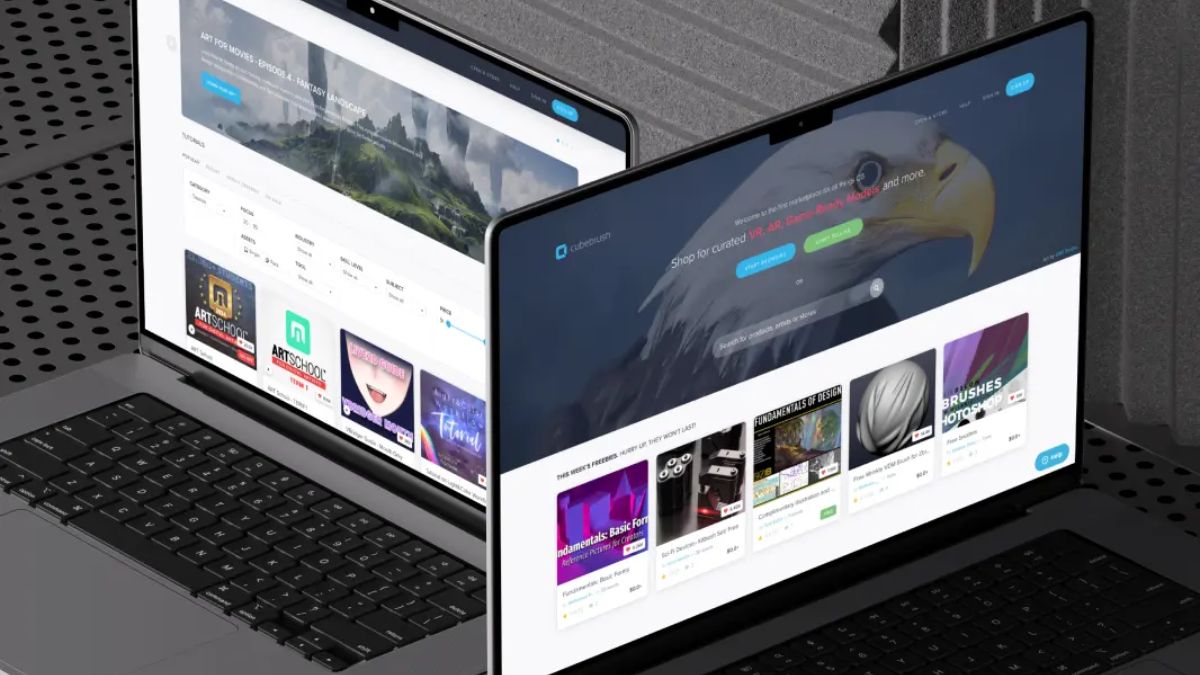
Searching for amcoder often leads to mixed results because the term connects to several different technology entities rather than one single brand. People looking up amcoder typically want clarity on coding education options, software development services, or related tools. This guide breaks down the main meanings, compares practical approaches to learning software engineering, and highlights how businesses evaluate custom development partners.
The most prominent educational angle positions AmCoder as a structured path toward software engineering. Unlike short coding courses that jump straight into syntax, this approach emphasizes computer science foundations first. Learners move through operating systems concepts, memory management, processes, relational databases, SQL, APIs, backend services, frontend architecture, caching, and load balancing. The goal is a lasting conceptual map instead of memorized snippets.
Other results point to software companies. AmCodr IT Solutions, based in Ahmedabad, focuses on web applications, mobile apps, and custom software. AmcoderZ Infotech offers similar services with added emphasis on healthcare applications, BLE, and IoT integrations. Both operate as development firms rather than pure learning platforms. Name similarity creates confusion for researchers, students, and businesses alike.
What Is Amcoder and Why the Confusion Exists
Amcoder functions as an umbrella search term rather than a single product. Users encounter education platforms, development agencies, and even smaller tools or themes under closely related names. This happens because short, brandable words in tech get adopted by multiple independent groups. Search engines surface whichever entity has stronger indexing or recent activity at the moment.
One clear distinction lies in audience. Education-focused AmCoder targets learners building long-term engineering skills. Development firms target businesses that need finished applications. Recognizing this split prevents wasted time when you need either structured study or a development partner.
Core Topics in a Structured Coding Education Path
A solid software engineering curriculum covers more than language syntax. Strong programs include:
- Computing foundations and problem-solving frameworks
- Data structures and algorithms with practical application
- Database design and SQL query optimization
- API design and backend service architecture
- Frontend patterns and system design principles
- Professional practices such as version control, testing, and deployment considerations
These topics build the mental models needed for real projects. Skipping them often leads to brittle code later.
| Learning Focus | Short Coding Course | Structured Engineering Path |
|---|---|---|
| Duration | Weeks to a few months | Longer conceptual journey |
| Depth | Syntax and frameworks | CS foundations plus applications |
| Outcome | Basic projects | Transferable engineering judgment |
| Best For | Quick skill addition | Career transition or deep competence |
Amcoder Platforms Versus Traditional Software Development Firms
Development companies under similar names emphasize delivery over teaching. AmCodr IT Solutions has operated since 2016 and lists web, mobile, and custom application work. Clients have used them for SaaS platforms involving meeting organization and process management tools. AmcoderZ Infotech highlights mobile, web, custom software, healthcare, and IoT work from its Ahmedabad base.
These firms typically work with established technologies such as Laravel, React, Flutter, Node.js, and various databases. They suit businesses that already know their requirements and need execution support. In contrast, education platforms suit individuals who want to understand the underlying systems before building.
How Businesses Evaluate Custom Software Partners
When reviewing firms, look beyond marketing language. Check project examples that match your domain, team size relative to project scope, and communication practices. Smaller teams can move quickly on focused work, while larger ones may handle more complex integrations. Verify recent client feedback on timelines and responsiveness rather than relying solely on claimed years in business.
Pros and Cons of Different Amcoder-Related Approaches
Choosing between structured self-directed learning and hiring a development firm depends on your goals and resources.
Pros of structured coding education paths
- Builds durable understanding of systems rather than surface skills
- Supports independent problem-solving on future projects
- Often more cost-effective for individuals over time
- Creates a portfolio grounded in fundamentals
Cons of structured coding education paths
- Requires significant time commitment before producing production apps
- Less guidance on business-specific features or client management
- Progress depends on personal discipline and access to practice projects
Pros of working with development firms
- Faster path to a working application when requirements are clear
- Access to specialized skills across web, mobile, and integrations
- Handles deployment, maintenance, and scaling considerations
- Useful when internal technical capacity is limited
Cons of working with development firms
- Higher direct cost compared with learning the skills yourself
- Requires clear requirements and ongoing communication to avoid rework
- Knowledge stays with the vendor unless documentation is thorough
- Name similarity can make initial research time-consuming
Common Mistakes When Researching or Using Amcoder Resources
Many people treat all similarly named entities as interchangeable. This leads to mismatched expectations. A learner contacting a development firm for curriculum details wastes time, while a business expecting training from an education platform receives no project delivery.
Another frequent error is prioritizing speed over foundations. Short courses can produce early results, yet gaps in system design and databases surface when applications grow. On the business side, selecting a partner based only on location or claimed technology list without reviewing actual delivery examples creates risk.
Finally, ignoring verification signals causes problems. Check independent reviews, project case details, and consistency between website claims and third-party profiles. Ambiguous search results reward careful cross-checking.
Best Practices for Learners and Businesses
Start by clarifying your primary goal. If you want deep engineering competence, follow a curriculum that sequences foundations before frameworks. Practice each topic with small projects that reinforce the concept rather than copying full applications.
For businesses, document requirements before outreach. Share expected user flows, integrations, and success metrics. Request relevant past work and discuss communication cadence early. Regardless of path, maintain version control and basic testing habits so knowledge compounds.
Regular review of progress helps both groups. Learners can map completed topics against a full engineering outline. Businesses can evaluate whether delivered features match original scope and timeline agreements.
| Practice Area | Recommended Action | Expected Benefit |
|---|---|---|
| Learning Path | Sequence CS foundations before frameworks | Stronger long-term judgment |
| Partner Selection | Review domain-specific examples and feedback | Reduced delivery risk |
| Progress Tracking | Map completed work against clear milestones | Earlier course correction |
| Communication | Establish clear requirements and update cadence | Fewer revisions and delays |
Practical Examples of Application
A career-switcher might begin with operating systems and database concepts, then build a simple API that demonstrates caching and load considerations. This sequence produces both understanding and a portfolio piece. A small business needing a custom meeting tool could engage a firm experienced with Laravel and SaaS patterns, providing detailed user stories so the team can focus on implementation.
In both cases, the distinguishing factor is intentional sequencing. Education paths sequence knowledge. Development engagements sequence requirements into delivered features.
Conclusion
Amcoder searches surface useful but distinct resources. Education-oriented platforms offer structured routes into software engineering concepts, while similarly named firms provide execution for web, mobile, and custom applications. Understanding the difference lets learners invest time effectively and helps businesses select partners that match their needs. Clear goals, verified examples, and consistent progress tracking turn ambiguous search results into practical next steps.
FAQs
What does amcoder typically refer to?
Amcoder is an ambiguous term linked to coding education platforms focused on software engineering foundations as well as software development companies offering web and mobile services.
Is AmCoder the same as AmCodr or AmcoderZ?
No. AmCoder is positioned around structured learning, while AmCodr IT Solutions and AmcoderZ Infotech operate as software development firms based in India.
Who benefits most from a structured coding education path?
Individuals seeking durable computer science and engineering judgment rather than quick framework familiarity gain the most from longer conceptual curricula.
What services do AmCodr-style firms usually provide?
These firms typically handle custom web applications, mobile app development, and related software solutions for businesses that need finished products.
How can I avoid confusion when researching these entities?
Identify your goal first—learning versus project delivery—then cross-check websites, reviews, and project examples to confirm the match.
-
 CRYPTO8 months ago
Crypto.com Credit Card: Complete Guide to Rewards, Benefits, and How It Works
-

 HEALTH8 months ago
Benefits of Drinking Lemon with Warm Water Daily
-
 BUSINESS7 months ago
Outsourcing Customer Service: A Complete Guide to Benefits, Challenges, and Smart Strategies
-

 BLOG6 months ago
Soundgasm: A Complete Guide to the Popular Audio Sharing Platform
-

 BUSINESS8 months ago
How to Effectively Use Betanden for Enhanced Productivity
-

 TECHNOLOGY9 months ago
Fappelo: A Complete Guide to Digital Innovation and Brand Growth
-

 BUSINESS8 months ago
Deshoptec com: A Complete Guide to Understanding Deshoptec com in the Modern E-Commerce World
-

 HEALTH9 months ago
Palo Azul Benefits: Complete Guide to Uses, Nutrition, and Wellness Potential