
TECHNOLOGY
The Ultimate Guide to nebs6ak: Meaning, Uses, and Best Practices


Introduction
If you’ve come across the term nebs6ak, you’re probably wondering what it means and why it’s gaining attention. Whether you’re a beginner or someone exploring advanced strategies, understanding nebs6ak can give you a significant edge.
In simple terms, nebs6ak represents a modern concept that blends strategy, optimization, and digital efficiency. It’s not just a buzzword—it’s becoming an essential approach in how systems, workflows, and online strategies are designed today.
Let’s break it down step by step so you can fully understand how it works and how to use it effectively.
What is nebs6ak?
At its core, nebs6ak refers to a structured method of optimizing processes for better performance, scalability, and results.
Key Characteristics of nebs6ak
- Focuses on efficiency and performance
- Uses structured frameworks
- Encourages adaptability
- Relies on data-driven decisions
Definition
nebs6ak is a strategic approach used to optimize systems, workflows, or digital processes for improved efficiency and outcomes.
Beit Bart: Meaning, Uses, and Why It’s Trending in 2026
How nebs6ak Works in Practice
Understanding theory is helpful—but applying nebs6ak is where the real value lies.
Step-by-Step Workflow
| Step | Action | Outcome |
|---|---|---|
| 1 | Analyze current system | Identify gaps |
| 2 | Apply structured framework | Improve organization |
| 3 | Optimize processes | Increase efficiency |
| 4 | Measure results | Track performance |
| 5 | Adjust strategy | Continuous improvement |
This process ensures that your approach is always evolving and improving.
Key Benefits of Using nebs6ak
Adopting nebs6ak offers several advantages, especially in digital and business environments.
Major Benefits
- Improved workflow efficiency
- Better decision-making
- Scalable systems
- Reduced errors
- Increased productivity
Real-World Example
Imagine managing a content website. Without structure, tasks become chaotic. By applying nebs6ak:
- You organize content planning
- Automate repetitive tasks
- Track performance metrics
The result? Faster growth and better outcomes.
nebs6ak vs Traditional Methods
To better understand its value, let’s compare it with conventional approaches.
| Feature | Traditional Approach | nebs6ak Approach |
|---|---|---|
| Structure | Loose | Highly structured |
| Adaptability | Low | High |
| Efficiency | Moderate | High |
| Scalability | Limited | Strong |
| Data Usage | Minimal | Data-driven |
As you can see, nebs6ak offers a more refined and modern way of working.
Best Practices for Implementing nebs6ak
To get the most out of nebs6ak, follow these proven strategies.
1. Start with Clear Goals
Define what you want to achieve before implementing anything.
2. Use Data to Guide Decisions
Avoid guessing. Instead, rely on analytics and measurable insights.
3. Keep Systems Flexible
A rigid system can slow you down. Adaptability is key.
4. Focus on Continuous Improvement
Optimization is not a one-time task—it’s ongoing.
Common Mistakes to Avoid
Even though nebs6ak is powerful, mistakes can limit its effectiveness.
Frequent Errors
- Overcomplicating the system
- Ignoring data insights
- Lack of consistency
- Poor implementation planning
Quick Fix Table
| Mistake | Solution |
|---|---|
| Overcomplication | Simplify processes |
| No tracking | Use analytics tools |
| Inconsistency | Create routines |
| Lack of clarity | Set clear goals |
Avoiding these mistakes can significantly improve your results.
Pros and Cons of nebs6ak
Like any strategy, nebs6ak has its strengths and limitations.
Pros
- Highly efficient
- Scalable
- Data-driven
- Flexible
Cons
- Requires learning curve
- Needs consistent monitoring
- Initial setup may take time
Advanced Strategies Using nebs6ak
Once you understand the basics, you can take things further.
Optimization Framework
- Automate repetitive tasks
- Use performance dashboards
- Apply testing methods (A/B testing)
- Integrate multiple tools
Growth Strategy Table
| Strategy | Purpose | Result |
|---|---|---|
| Automation | Save time | Higher productivity |
| Analytics tracking | Measure success | Better decisions |
| System integration | Improve workflow | Seamless operations |
| Continuous testing | Optimize results | Improved performance |
These strategies can take your implementation to the next level.
Practical Use Cases of nebs6ak
Here are some common ways people apply nebs6ak:
1. Content Management
Organizing and optimizing blog workflows.
2. Business Operations
Improving efficiency in daily processes.
3. Digital Marketing
Enhancing campaign performance.
4. Project Management
Streamlining team collaboration.
Conclusion
nebs6ak is more than just a concept—it’s a powerful framework for improving efficiency, scalability, and results across different areas.
By understanding its principles and applying best practices, you can transform the way you work. Start small, stay consistent, and keep optimizing.
Over time, the results will speak for themselves.
FAQs
1. What does nebs6ak mean?
nebs6ak refers to a structured strategy used to optimize systems and workflows for better performance.
2. How can beginners use nebs6ak?
Start by analyzing your current processes and gradually implement structured improvements.
3. Is nebs6ak suitable for businesses?
Yes, it works well for businesses looking to improve efficiency and scalability.
4. What are the main benefits of nebs6ak?
Improved productivity, better decision-making, and scalable systems.
5. Can nebs6ak be used in digital marketing?
Absolutely. It helps optimize campaigns, track performance, and improve results.


Whatsontech.co.uk has become a go-to destination for anyone who wants tech explained without the jargon. Whether you are checking the latest phone launches, figuring out if a game supports cross-play, or simply trying to understand how AI is changing everyday work, the site aims to cut through the noise.
Technology moves fast. New tools appear weekly, and most coverage either dives too deep into technical specs or simply repeats press releases. Whatsontech.co.uk takes a different approach. It focuses on clear explanations, practical comparisons and updates that actually help people decide what matters.
What Is Whatsontech.co.uk?
Whatsontech.co.uk is a free UK-based technology website that publishes news, reviews, guides and explainers across a wide range of topics. The content is written for everyday readers rather than only developers or industry insiders.
The site covers breaking tech news, product comparisons, software tools, cybersecurity basics, business technology, artificial intelligence applications and gaming guides. It started years ago with coverage of mobile launches and tablets and has expanded as technology itself has spread into almost every part of life.
The team, led by founder and editor-in-chief Jenny Crimson, emphasizes plain language. Articles explain why something matters and how it affects real people, whether that is a small business owner choosing software or a gamer checking cross-platform support.
Key Content Areas on Whatsontech.co.uk
The site organizes content into several practical categories so readers can find what they need quickly.
News and Industry Updates
Short, factual pieces cover launches, company announcements and shifts in the tech landscape. These pieces focus on relevance rather than raw volume of headlines.
Reviews and Comparisons
Instead of pure specification lists, the site looks at real-world usability, value for money and whether an upgrade is actually worthwhile. Hardware, software and app comparisons appear regularly.
Practical Guides and How-Tos
Evergreen guides answer common questions. Popular topics include cross-platform and cross-play support for games, software alternatives, internet tools and step-by-step instructions for everyday tasks.
Emerging Technology and AI
Articles explore how artificial intelligence, automation, cloud tools and other developing technologies are being used in business and daily life. The emphasis stays on application rather than pure theory.
Business and Cybersecurity
Coverage includes digital transformation trends, SaaS tools, startup technology and practical security advice for both individuals and small businesses.
| Content Category | Primary Focus | Best For |
|---|---|---|
| Tech News | Recent launches and industry shifts | Staying current without overload |
| Reviews & Comparisons | Usability, value and real-world testing | Making purchase decisions |
| Guides & How-Tos | Step-by-step answers and alternatives | Solving specific problems |
| AI & Emerging Tech | Practical applications and trends | Understanding future impact |
| Business & Security | Tools, strategies and protection | Owners and professionals |
This structure helps different types of readers find useful material quickly.
Who Benefits from Reading Whatsontech.co.uk?
The site is not aimed only at hardcore tech enthusiasts. Several groups regularly find value here.
- Everyday consumers looking for clearer buying advice on phones, laptops or apps
- Students exploring technology careers or tools
- Small business owners evaluating software and digital solutions
- Gamers searching for accurate cross-platform information
- Professionals who need practical updates without deep technical background
Because the language stays accessible, the content works for people who simply want to understand what is happening in technology without needing a computer science degree.
Pros and Cons of Whatsontech.co.uk
Like any tech resource, the site has clear strengths and some limitations.
| Aspect | Pros | Cons |
|---|---|---|
| Accessibility | Plain language and free access | Less depth for highly technical readers |
| Coverage Breadth | News, reviews, guides and gaming | Can feel broad rather than ultra-specialized |
| Practical Focus | Emphasis on usability and decisions | Fewer long-form investigative pieces |
| UK Perspective | Relevant for UK and European readers | Global coverage is present but not always primary |
| Update Frequency | Regular new content | Individual articles vary in depth |
Overall, the balance favors readers who want useful, understandable information over those seeking academic-level analysis.
Common Mistakes When Using Tech Sites Like Whatsontech.co.uk
Readers sometimes approach tech websites in ways that reduce their value. Avoiding a few habits helps you get more from the content.
One common mistake is treating every headline as equally important. Not every new gadget or AI announcement requires immediate action. Whatsontech.co.uk often highlights relevance, so look for pieces that directly address your situation.
Another error is ignoring the distinction between news and evergreen guides. News pieces age quickly. Guides on topics such as software alternatives or cross-play support remain useful longer.
People also sometimes overlook the free nature of the site and expect exhaustive laboratory testing on every product. The site prioritizes practical insights over exhaustive lab reports.
Finally, skipping the practical sections is a missed opportunity. Many articles include clear lists or short explanations that work well as quick references.
Best Practices for Getting the Most from Whatsontech.co.uk
A few simple habits improve the experience.
Start with the category that matches your current need. If you want purchase advice, head to reviews. If you have a specific question about a game or tool, check the guides section.
Bookmark or subscribe to the newsletter if available so you receive updates on topics that interest you rather than scanning everything.
Cross-check important buying decisions. The site provides useful comparisons, but pairing that information with official manufacturer details or recent user feedback gives a fuller picture.
Pay attention to the practical framing. Articles often answer “does this matter to me?” rather than simply listing features. That framing saves time.
| Best Practice | Why It Helps | How to Apply It |
|---|---|---|
| Match category to need | Reduces irrelevant reading | Choose news, reviews or guides first |
| Focus on relevance | Avoids information overload | Ask if the topic affects your work or purchases |
| Combine sources | Improves decision quality | Pair site insights with official specs |
| Use lists and summaries | Speeds up understanding | Scan tables and bullet points first |
| Check update dates | Ensures currency | Note publication or update dates on guides |
These approaches turn the site into a practical resource rather than just another feed of headlines.
Practical Examples of Content You Will Find
Suppose you are deciding whether to upgrade your phone. You might find a comparison that looks at battery life, camera performance and software support rather than just listing processor numbers. The piece would discuss whether the improvements justify the cost for typical daily use.
Or consider a gamer who wants to know if a title supports cross-play between console and PC. Dedicated guides on the site address these questions directly with current information, helping players avoid wasted purchases or confusion about multiplayer options.
Business readers might encounter explainers on SaaS tools or cybersecurity basics that outline specific steps for protecting customer data without requiring advanced technical knowledge.
These examples show the site’s emphasis on usable information.
Why the UK Focus Matters
While much technology coverage centers on the United States, Whatsontech.co.uk brings a perspective that considers UK and European regulations, local adoption patterns and regional startup activity. Readers still get global context, but the framing often feels more relevant for audiences outside the US market.
This approach helps people understand how international developments affect their own region, whether that involves data rules, device availability or business tools.
Conclusion
Whatsontech.co.uk fills a useful gap for people who want technology information that is clear, practical and free of unnecessary jargon. It covers the range of topics most readers actually care about—from the latest gadgets and AI tools to gaming cross-play guides and business software—while keeping explanations accessible.
The site will not replace highly specialized technical resources, but it does a solid job of helping everyday readers stay informed and make better decisions. If you want a straightforward place to check what is happening in tech without feeling overwhelmed, it is worth adding to your regular reading list.
Bookmark the site, explore the categories that match your interests, and use the practical guides and comparisons as starting points for your own research. Technology will keep changing, and having a reliable, plain-language source makes the process easier.
SEO FAQs
What is Whatsontech.co.uk?
Whatsontech.co.uk is a free UK-based technology website that publishes news, reviews, guides and explainers written in plain language for a broad audience.
Is Whatsontech.co.uk free to use?
Yes, the site offers free access to its articles with no paywall or subscription required for core content.
Who is Whatsontech.co.uk best for?
It suits everyday consumers, students, small business owners, gamers and professionals who want practical tech information without heavy jargon.
Does Whatsontech.co.uk cover gaming?
Yes, the site includes gaming content, particularly detailed guides on cross-platform and cross-play support for popular titles.
How often does Whatsontech.co.uk publish new content?
The site publishes regularly across news, guides, reviews and other categories, with fresh articles appearing throughout the week.

If you have seen the term mmsbre pop up in tech discussions lately, you are not alone. MMSBRE stands for Multi-Media Streaming and Broadcast Relay Environment. It describes a modular infrastructure approach that captures, encodes, relays, and delivers live or on-demand media across multiple platforms while keeping systems connected and efficient.
Teams use this kind of setup when one source needs to reach many destinations without creating bottlenecks or quality drops. The idea also extends beyond pure video into broader digital workflows where different tools need to share data smoothly.
What Exactly Does MMSBRE Cover?
At its core, an MMSBRE setup acts as the connective layer between content creation and audience delivery. Instead of relying on a single rigid system, it uses interchangeable modules. You can add or swap components as needs change.
This flexibility helps organizations avoid the common problem of tool silos. Media teams, marketing groups, and operations staff often struggle when video platforms, analytics tools, and internal systems refuse to share information cleanly. A well-designed environment reduces that friction.
How the Core Architecture Works
Most implementations follow a clear pipeline. Understanding each stage makes it easier to spot where improvements deliver the biggest results.
Here is a straightforward breakdown of the typical layers:
| Layer | Primary Role | Common Tools or Methods | Key Outcome |
|---|---|---|---|
| Capture | Ingest live or recorded media | Cameras, screen capture, OBS, hardware encoders | Clean source signal |
| Encoding | Convert to streamable formats | H.264, HEVC, AV1, adaptive bitrate ladders | Efficient, multi-quality output |
| Relay | Route one source to many endpoints | Cloud relay services, multi-stream software | Simultaneous platform delivery |
| Delivery | Push content to viewers | CDNs, HLS, DASH, WebRTC | Low-latency, reliable playback |
| Monitoring | Track performance and issues | Real-time dashboards, alert systems | Fast problem detection |
This structure keeps each function focused. You can upgrade the encoding stage without touching delivery, or expand relay capacity during peak events without rebuilding the entire stack.
Why Organizations Turn to MMSBRE Approaches
Companies adopt these environments because traditional single-platform streaming often creates hidden costs. When a live event needs to appear on a website, social channels, and an internal intranet at the same time, manual work multiplies. Delays appear. Quality varies. Staff waste time switching between dashboards.
A modular environment reduces that overhead. Real-time data moves between systems automatically. Marketing can see viewer numbers while operations monitors stream health. The same principles apply when the “media” is not video at all but structured data flows between business applications.
Practical advantages include faster setup for recurring events, easier scaling during traffic spikes, and clearer visibility into where problems originate. Teams report shorter time-to-publish for new content and fewer emergency fixes during live sessions.
Key Benefits in Daily Operations
The advantages become concrete once the environment is running.
- Simultaneous multi-destination delivery from a single source cuts production complexity.
- Modular design lets you start small and expand only the components you need.
- Real-time monitoring surfaces issues before viewers notice them.
- Standardized interfaces make it simpler to connect existing tools instead of replacing them.
- Cost control improves because you pay for capacity you actually use rather than oversized monolithic systems.
One mid-size education provider, for example, moved weekly webinars from a single platform to a relay setup. They now push the same session to their learning management system, YouTube, and a private archive without extra staff. Setup time dropped from half a day to under two hours. Viewer engagement metrics became available across all destinations in one view.
Real-World Applications
Streaming is the most visible use case, yet the same thinking supports other scenarios. Corporate training teams distribute recorded sessions to employees worldwide while protecting access controls. Event companies route live feeds to sponsors, attendees, and social channels with different quality profiles. News organizations maintain continuous feeds that can be clipped and redistributed without re-encoding from scratch.
In non-media contexts, similar modular patterns appear when organizations connect customer data platforms, inventory systems, and analytics tools. The shared principle is the same: isolate functions, standardize connections, and keep information flowing without manual handoffs.
Pros and Cons of an MMSBRE Approach
Every architecture involves trade-offs. Understanding them helps set realistic expectations.
Pros:
- High flexibility for changing requirements
- Better visibility across the entire pipeline
- Easier scaling of individual stages
- Reduced vendor lock-in when modules use open standards
- Faster recovery when one component fails
Cons:
- Initial design work requires clearer planning than a single tool
- Integration testing takes time when many systems connect
- Teams need basic knowledge of each layer to troubleshoot effectively
- Poorly chosen modules can create new bottlenecks
- Over-engineering is possible if every possible feature is added early
The cons shrink when organizations begin with a focused use case and expand deliberately.
Common Mistakes to Avoid
Several patterns repeatedly create problems.
Choosing modules based only on marketing claims rather than measured performance leads to disappointment. Always test latency, reliability, and cost under realistic load before full rollout.
Neglecting monitoring is another frequent error. Without clear dashboards and alerts, teams discover issues only after viewers complain. Build monitoring into the design from the start.
Trying to connect every possible system on day one creates complexity that slows progress. Start with the highest-value connections and add others later.
Ignoring security and access controls is risky when content or data moves across external platforms. Define permissions early and review them regularly.
Finally, underestimating the need for staff training leaves people frustrated. Even well-designed environments require people who understand how the pieces fit together.
Best Practices for Strong Results
Successful deployments share a few habits.
Define the primary goal first. Decide whether the priority is lowest latency, widest platform reach, highest quality, or lowest cost. This decision guides every module choice.
Document the data flow clearly. A simple diagram showing where media or information enters, how it transforms, and where it exits prevents confusion later.
Test end-to-end under expected peak conditions. Simulate traffic spikes and platform outages to confirm the environment recovers gracefully.
Standardize naming and logging across modules. Consistent labels make it far easier to trace a problem from source to destination.
Review performance metrics weekly during the first months. Look for patterns in buffering, startup time, or failed deliveries and adjust accordingly.
Keep the modular boundary clean. Resist the urge to build custom code inside every component. Prefer configuration and standard interfaces so future changes stay simple.
Looking Ahead
As more organizations run hybrid live and on-demand content, environments that treat streaming and workflow integration as related problems will grow more common. The modular mindset already appears in cloud infrastructure, API platforms, and low-code automation tools. Applying it specifically to media delivery and multi-system coordination simply extends an existing trend.
Teams that master the basics now gain an advantage when new protocols, edge computing options, or AI-assisted quality tools become available. They can swap in improved modules without rebuilding everything.
Conclusion
MMSBRE describes a practical way to handle multi-destination media delivery and connected digital workflows through modular, observable layers. Organizations that map their actual needs, choose focused components, and build monitoring from the start reduce operational friction and improve reliability. The approach rewards clear thinking more than complex technology. Start with one high-value use case, measure the results, and expand only where the data shows clear benefit.
Frequently Asked Questions
What does MMSBRE stand for? MMSBRE commonly stands for Multi-Media Streaming and Broadcast Relay Environment. It refers to modular infrastructure for capturing, processing, routing, and delivering media streams across multiple platforms.
Is MMSBRE a specific software product? No. It is an architectural approach and conceptual framework. Different organizations implement it using various combinations of commercial and open tools that follow the same layered principles.
How is MMSBRE different from a regular CDN? A CDN focuses primarily on the delivery layer. An MMSBRE environment covers the full pipeline from capture through encoding, multi-destination relay, delivery, and continuous monitoring, with emphasis on modularity and integration.
Can small teams use this approach effectively? Yes. Small teams often benefit most because they can start with lightweight tools for each layer and avoid expensive monolithic systems. Many cloud relay and encoding services offer pay-as-you-go pricing suitable for lower volumes.
What metrics matter most when evaluating an MMSBRE setup? Key metrics include end-to-end latency, stream startup time, buffering ratio, successful delivery rate to each destination, and time required to diagnose and fix issues. Consistent logging across layers makes these numbers actionable.

If you searched techtrendery.com, you probably want a straight answer before you click around. TechTrendery.com is a free online publication, not a product, app, or paid service. It publishes blog-style articles across technology and a wider mix of everyday topics, including business, digital marketing, news, travel, home subjects, and biography-style profiles.
That mix is the first thing worth understanding. The name sounds like a pure tech magazine. The live site behaves more like a general-interest publication with a strong technology thread. You can use it for topic discovery and plain-language explainers. You should still check important claims against primary sources, especially on health, money, security, or legal questions.
This guide walks through what the site publishes, how the About page differs from the homepage, and how to read it with better judgment.
What Is techtrendery.com and Who Is It For?
TechTrendery.com is a WordPress-based content site. Articles open without a paywall or a required account. Standard pages such as About, Contact, Privacy Policy, and Terms sit alongside the main feed.
The About page frames TechTrendery as a place for stories behind remarkable lives. It highlights biographies of influential figures, historical icons, everyday heroes, life lessons, and lesser-known details. The stated mission is to celebrate human potential and resilience.
The homepage tells a broader story. Recent publishing leans into practical technology and digital topics, then branches into business systems, social media, travel, health, education, gaming, and law. Both descriptions are real. They describe different layers of the same site.
That makes the publication useful for a few kinds of readers:
- People who want a quick explainer on a gadget, app, or digital workflow
- Readers browsing business and marketing ideas in plain language
- Anyone curious about biography-style posts on public figures
- Casual visitors who move between tech, news, and lifestyle topics in one session
It is a weaker fit if you need specialist reporting, original lab testing, or regulated advice. Treat individual articles as starting points, not final answers.
A quick definition
TechTrendery.com is an active multi-topic blog that combines technology explainers with business, lifestyle, and biography content, published free to read.
What techtrendery.com Publishes
Coverage is wide, but it is not random. Most pieces fall into a few recurring lanes.
Technology remains the clearest thread. Articles touch software, mobile apps, smart devices, digital infrastructure, automation, advertising technology, and workplace tools. Hardware pieces sometimes look at prototypes and design limits. Security-related posts may discuss recovery layers or compliance, usually at an introductory level.
Business and digital marketing sit next to that tech lane. Expect guides on systems, campaigns, and online growth rather than deep financial analysis. Social media explainers appear when a platform change or tool becomes a talking point.
Biographies form a separate editorial thread. These posts focus on public figures, cultural icons, and life stories. They match the About page more closely than a typical gadget roundup does.
General-interest topics fill the rest of the feed. Travel, home subjects, education, health, gaming, and occasional legal explainers show up beside the tech archive. A reader can move from a cloud-compliance note to a profile or a travel piece without leaving the domain.
| Topic lane | What you usually find | Best use |
|---|---|---|
| Technology | Apps, devices, software, digital systems, security explainers | First-pass understanding of a tool or trend |
| Business and marketing | Workflows, campaigns, online growth guides | Idea gathering for small teams |
| Biographies | Profiles, life lessons, lesser-known details | Casual reading and context on public figures |
| News and general topics | Travel, home, education, health, gaming | Broad browsing, not specialist research |
Freshness matters more in the technology lane than in biography archives. Interfaces change, prices move, and rules shift. A post from last season can still be useful as background, but you should confirm product names, pricing, and policy details before you act on them.
How the About page and the homepage differ
The gap is easy to miss if you only read one page.
The About page sells a biography mission. The homepage sells a living magazine feed. Neither cancels the other. Biography posts still exist. Day-to-day publishing simply covers more ground than the mission statement suggests.
If you arrived expecting only life stories, the tech-heavy feed can feel off-brief. If you arrived expecting only gadget news, the profiles can feel unexpected. Knowing both layers saves you a confused first visit.
How Readers Actually Use techtrendery.com
Most visits are search-led. Someone looks up a device, a workplace question, or a public figure and lands on a single article. The site works best in that mode: one clear question, one readable answer, then a decision about whether to dig further.
A practical example: a small business owner wants a plain explanation of how mobile apps change customer service. A TechTrendery piece can outline the main shifts, such as faster booking, in-app support, and simpler payments. That reader should still compare the claims with the app stores, vendor docs, and their own customer data before changing a process.
Another example: a student researching a public figure finds a biography-style post. The post can point to milestones and themes. School or professional work still needs primary interviews, reputable news archives, or official biographies.
| Reading goal | Sensible next step after the article |
|---|---|
| Learn a tech concept | Check the vendor site or a standards body |
| Compare a product claim | Look at current specs, prices, and reviews |
| Understand a public figure | Cross-check dates and quotes with primary sources |
| Explore a business idea | Test it against your own numbers and local rules |
Pros and Cons of Relying on techtrendery.com
The site is easy to enter and easy to leave. That is a strength and a limit.
Pros:
- Free access, with no obvious subscription wall
- Broad topic mix for casual research and browsing
- Plain-language explainers that suit early-stage questions
- A real biography thread alongside technology coverage
- Standard policy pages that a maintained publication should have
Cons:
- Not a single-subject authority, despite the tech-leaning name
- Expertise and sourcing vary from article to article
- Fast-moving topics can age quickly
- Health, finance, and legal posts should not replace professional advice
- The About page and the live feed describe different priorities
Use the pros when you want orientation. Respect the cons when a decision costs money, affects safety, or needs a citation.
Common Mistakes When Reading techtrendery.com
Readers trip on the same few habits.
Treating the domain name as proof of specialty is the biggest one. Technology is important here, but it is not the only beat. A tech-sounding URL does not turn every post into a lab report.
Another mistake is stopping at the first explainer. Introductory articles simplify on purpose. They leave out edge cases, regional rules, and version changes. If you copy a workflow from a general post into a live business, you can miss a compliance step or a pricing change.
A third mistake is ignoring the date. Technology and marketing advice decays faster than a historical profile. Check the publish date, then ask whether the product, law, or platform still works that way.
Other frequent slips:
- Assuming every biography is exhaustive
- Using health or money posts as personal advice
- Confusing “USA” wording in a search result with a separate national edition
- Skipping the privacy and terms pages if you plan to contact the site or subscribe
Best Practices for Getting Value From the Site
You can get more from the publication with a simple reading routine.
Start with the question, not the homepage. Search for the specific topic, open the closest article, and note the date and author. Then scan for concrete claims: product names, numbers, legal points, or health statements. Those are the lines worth verifying.
Cross-check anything you might act on. For software, open the official documentation. For news, look for a primary report. For a biography, compare dates with a trusted archive. This takes a few minutes and prevents most bad handoffs.
Keep the two editorial layers separate in your head. Use technology and business posts for orientation. Use biography posts for story and context. Do not expect one article type to meet the standard of the other.
A short checklist helps:
- Identify the category before you trust the tone.
- Read the date and skim for outdated product names.
- Mark claims that involve money, health, security, or law.
- Verify those claims with a primary source.
- Use the piece as a map, then leave for deeper material if the stakes are high.
| Check | Why it matters | Quick action |
|---|---|---|
| Publish date | Tech details expire | Confirm against current docs |
| Category fit | Biography and tech posts serve different jobs | Match the post to your question |
| Named sources | Unsupported claims travel fast | Open the cited page if one exists |
| Decision risk | High-stakes topics need specialists | Pause before you buy, invest, or treat |
How techtrendery.com Fits a Wider Reading Habit
Think of the site as one shelf in a larger library. It is handy when you want a readable overview and a sense of what people are discussing. It is not a replacement for standards bodies, company filings, medical guidance, or long-form reporting.
Pair it with stronger sources when the topic demands it. A smart-TV explainer can sit next to the manufacturer’s manual. A marketing guide can sit next to platform help centers. A profile can sit next to interviews and contemporary news.
That habit keeps the publication useful without asking it to do work it was not built for.
Conclusion
TechTrendery.com is a free, active publication with a technology lean and a wider general-interest feed. Its About page emphasizes biographies and life stories. Its homepage and category archives also cover business, digital marketing, news, travel, and practical tech topics.
Read it for clear introductions and topic discovery. Verify dates, numbers, and high-stakes claims before you act. Used that way, the site is a convenient starting point rather than a final source.
FAQs
Is techtrendery.com free to read?
Yes. Articles open without a visible paywall or mandatory sign-up. You can browse technology, business, and biography posts directly.
Is techtrendery.com only a technology website?
No. Technology is a major theme, but the site also publishes business, marketing, news, travel, home topics, and biography-style profiles.
Does the About page match the homepage?
Partly. The About page focuses on life stories and influential figures. The homepage shows a broader, tech-leaning magazine feed. Both layers are part of the site.
Can I rely on techtrendery.com for medical or financial decisions?
No. Use those articles only as background. Confirm health, money, security, and legal claims with qualified professionals or primary sources.
Is there a separate USA version of the site?
American readers can use the main domain directly. Search labels that mention the USA do not, by themselves, prove a distinct national edition.
-

 HEALTH8 months ago
Benefits of Drinking Lemon with Warm Water Daily
-

 CRYPTO8 months ago
Crypto.com Credit Card: Complete Guide to Rewards, Benefits, and How It Works
-
 BUSINESS6 months ago
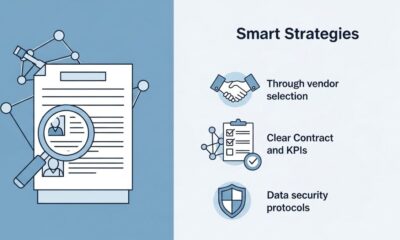
Outsourcing Customer Service: A Complete Guide to Benefits, Challenges, and Smart Strategies
-

 BLOG6 months ago
Soundgasm: A Complete Guide to the Popular Audio Sharing Platform
-

 BUSINESS7 months ago
Deshoptec com: A Complete Guide to Understanding Deshoptec com in the Modern E-Commerce World
-

 BUSINESS7 months ago
How to Effectively Use Betanden for Enhanced Productivity
-

 HEALTH8 months ago
Palo Azul Benefits: Complete Guide to Uses, Nutrition, and Wellness Potential
-

 BLOG8 months ago
Bijnesh: Meaning, Origin, Cultural Significance, and Modern Relevance