
HEALTH
Green Leaf Lettuce: Nutrition, Growing Guide, Health Benefits, and Culinary Uses

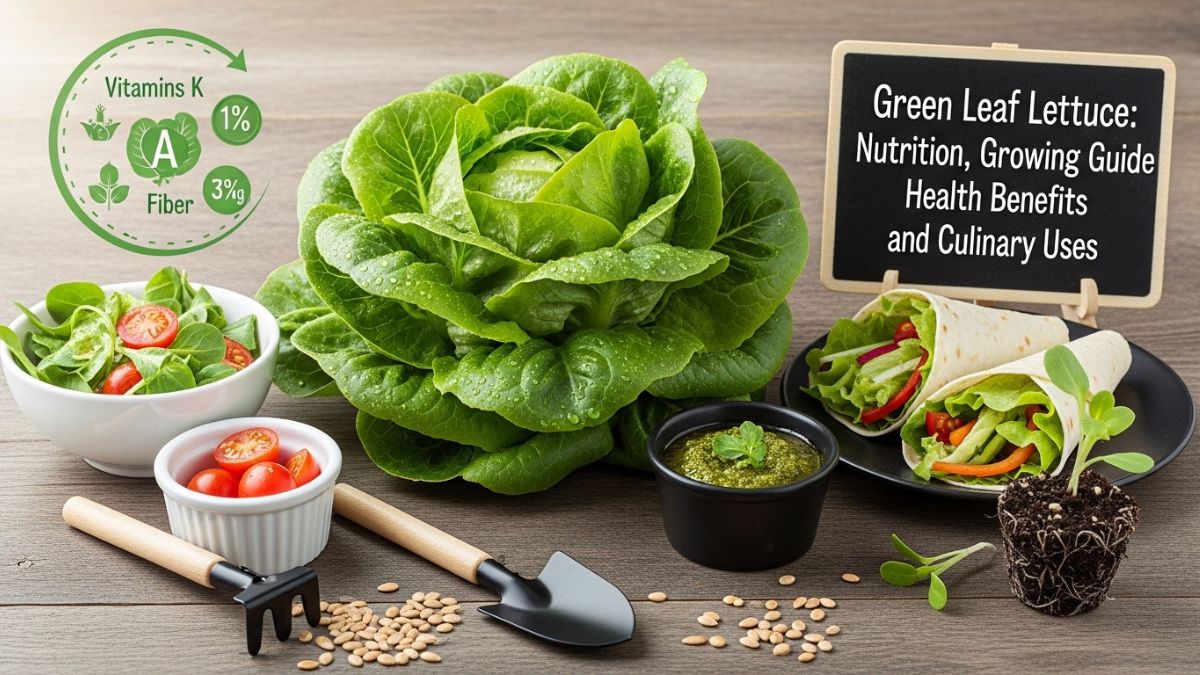
is one of the most versatile and widely consumed leafy vegetables in the world. Known for its tender texture, mildly sweet flavor, and vibrant green color, is a staple ingredient in salads, sandwiches, wraps, and healthy meal plans. Unlike iceberg varieties, offers a softer structure and a higher concentration of essential nutrients, making it both flavorful and nourishing.
Botanically classified as Lactuca sativa, this leafy green belongs to the daisy family and thrives in cool-season climates. is prized not only for its culinary flexibility but also for its impressive vitamin and mineral profile. This comprehensive guide explores from farm to table, covering nutrition, cultivation, health benefits, storage, and creative recipes.
Green Leaf Lettuce Botanical Overview
Understanding begins with its botanical background. As a cultivar of Lactuca sativa, it forms loose, ruffled leaves that grow outward from a central stem rather than forming a tight head.
Key Botanical Characteristics
| Feature | Description | Benefit |
|---|---|---|
| Leaf Structure | Loose and frilly | Easy harvesting |
| Color | Bright to deep green | High chlorophyll content |
| Texture | Tender and crisp | Pleasant mouthfeel |
| Growth Cycle | Cool-season crop | Fast maturity |
matures quickly, typically within 45 to 60 days, making it a popular choice for home gardeners and commercial growers alike.
Nutritional Profile
stands out for its impressive nutrient density relative to its low calorie content.
Nutrition Facts of Green Leaf Lettuce per 100g
| Nutrient | Amount | Health Contribution |
|---|---|---|
| Calories | 15 kcal | Weight management |
| Vitamin A | High | Vision support |
| Vitamin K | Very high | Bone health |
| Folate | Moderate | Cell growth |
| Fiber | 1.3 g | Digestive support |
| Water Content | 95% | Hydration |
is particularly rich in vitamin K, which supports blood clotting and bone strength. Its high water content also contributes to hydration, especially in warmer climates.
Health Benefits
The nutritional composition of supports various aspects of overall health.
Green Leaf Lettuce and Heart Health
contains antioxidants and fiber that may support cardiovascular wellness. Its potassium content helps maintain balanced blood pressure levels.
Green Leaf Lettuce and Digestive Wellness
The fiber in aids digestion by promoting regular bowel movements and supporting gut health.
Green Leaf Lettuce and Weight Management
Due to its low calorie density and high water content, provides volume without excessive calories, making it ideal for weight-conscious diets.
| Health Benefit | Contributing Nutrient | Impact |
|---|---|---|
| Bone Strength | Vitamin K | Improved density |
| Eye Health | Beta-carotene | Vision protection |
| Hydration | Water | Fluid balance |
| Immunity | Antioxidants | Reduced oxidative stress |
Growing Green Leaf Lettuce Successfully
is beginner-friendly and adaptable to various growing environments.
Ideal Growing Conditions
| Condition | Requirement |
|---|---|
| Temperature | 60–70°F |
| Sunlight | Partial to full sun |
| Soil Type | Well-drained, fertile |
| pH Level | 6.0–6.8 |
Planting seeds directly into soil or starting indoors before transplanting both yield excellent results. Because thrives in cooler temperatures, spring and fall are ideal planting seasons.
Watering and Care
Consistent moisture is essential for tender leaves. However, overwatering can lead to root rot. Mulching helps retain soil moisture and regulate temperature.
Harvesting Green Leaf Lettuce
One of the advantages of is its “cut-and-come-again” harvesting style. Gardeners can trim outer leaves while allowing the center to continue growing.
| Harvest Method | Benefit |
|---|---|
| Leaf-by-leaf | Extended yield |
| Whole plant | Quick harvest |
| Early harvest | Tender flavor |
| Late harvest | Larger leaves |
Timely harvesting ensures optimal taste and prevents bitterness caused by bolting.
Culinary Uses
is a versatile ingredient in numerous dishes.
Green Leaf Lettuce
Its tender texture makes it a foundational base for fresh salads. Pairing it with tomatoes, cucumbers, nuts, and vinaigrettes enhances flavor complexity.
Green Leaf Lettuce in Wraps and Sandwiches
Large leaves can replace tortillas or bread for low-carb wraps. This approach adds freshness and crunch without extra calories.
Green Leaf Lettuce in Smoothies
Though mild in taste, blends seamlessly into green smoothies, adding nutrients without overpowering flavors.
| Culinary Use | Preparation Style | Result |
|---|---|---|
| Salads | Raw | Crisp freshness |
| Wraps | Whole leaves | Low-carb option |
| Garnish | Decorative layering | Visual appeal |
| Smoothies | Blended | Nutrient boost |
Storage and Shelf Life
Proper storage extends freshness and prevents spoilage.
Best Practices for Storing Green Leaf Lettuce
| Storage Method | Duration | Tip |
|---|---|---|
| Refrigeration | 5–7 days | Store in crisper drawer |
| Washed & Dried | 3–5 days | Use paper towels |
| Airtight Container | 5 days | Maintain airflow |
| Room Temperature | Not recommended | Wilts quickly |
Keeping dry before refrigeration prevents excess moisture, which accelerates decay.
Comparing Green Leaf Lettuce with Other Varieties
differs from other lettuce types in texture, nutrition, and culinary flexibility.
| Variety | Texture | Nutritional Value | Best Use |
|---|---|---|---|
| Green Leaf Lettuce | Tender & loose | High vitamin K | Salads |
| Iceberg Lettuce | Crunchy & dense | Lower nutrients | Burgers |
| Romaine Lettuce | Firm & elongated | High folate | Caesar salad |
| Butterhead Lettuce | Soft & delicate | Moderate nutrients | Sandwich wraps |
Compared to iceberg lettuce, offers superior nutrient density and flavor.
Sustainability and Green Leaf Lettuce
is relatively sustainable due to its short growing cycle and minimal resource demands. Home gardening reduces transportation emissions and ensures pesticide control.
Sustainable Advantages of Green Leaf Lettuce
-
Rapid growth
-
Low fertilizer requirements
-
Efficient water usage
-
Suitable for container gardening
These attributes make an environmentally friendly addition to household gardens.
Green Leaf Lettuce in Global Cuisine
appears in cuisines worldwide, from Mediterranean salads to Asian lettuce wraps. Its mild flavor allows it to complement diverse seasonings and cooking traditions.
In fusion cuisine, serves as both a structural element and a flavor enhancer, balancing heavier ingredients.
Conclusion
is more than a simple salad ingredient. As a nutrient-dense, easy-to-grow leafy vegetable, supports health, sustainability, and culinary creativity. From its botanical roots in Lactuca sativa to its modern applications in global cuisine, continues to play a vital role in balanced diets.
With its rich vitamin profile, refreshing taste, and adaptability in the kitchen, remains a smart and versatile choice for individuals seeking healthier meal options. Whether grown at home or purchased fresh from markets, delivers both flavor and nourishment in every bite.

Cataract surgery is a common and highly effective procedure that helps restore clear vision by replacing the eye’s cloudy lens. While the surgery itself is usually quick and straightforward, the steps taken before the procedure play an important role in ensuring a smooth experience and successful outcome.
Understanding how to prepare for cataract surgery can help reduce uncertainty and make the process feel more manageable. From medical evaluations to simple lifestyle adjustments, preparation allows both patients and healthcare providers to approach the procedure with confidence.
Why Preparation Matters Before Cataract Surgery
Proper preparation helps identify any factors that could affect the surgery or recovery. Each eye is unique, and understanding its condition allows surgeons to plan the procedure more accurately. This preparation also helps minimize risks and supports better visual outcomes.
During this stage, patients have the opportunity to discuss their expectations and ask questions. Clear communication ensures that the chosen treatment approach aligns with individual needs and lifestyle.
Taking time to prepare also helps patients feel more at ease, which can make the overall experience smoother.
Initial Eye Examination and Measurements
Before surgery, a detailed eye examination is performed to assess overall eye health. This includes measuring the shape and size of the eye, evaluating the retina, and determining the appropriate power of the artificial lens.
These measurements are essential for selecting the intraocular lens that will replace the natural one. Accuracy at this stage plays a key role in how well a person sees after surgery.
Additional tests may be conducted if there are other eye conditions present, ensuring that all aspects of vision are considered.
Discussing Medical History
Patients are usually asked about their general health and any medications they are taking. Certain conditions, such as diabetes or high blood pressure, may influence how the eye heals after surgery.
Providing complete and accurate information helps healthcare providers make informed decisions about care. In some cases, adjustments to medications may be recommended before the procedure.
This conversation also helps identify any potential concerns early on.
Understanding the Pre-Operative Instructions
Before the day of surgery, patients receive specific instructions to follow. These may include using prescribed eye drops to reduce the risk of infection and inflammation. Following these directions carefully helps prepare the eye for the procedure.
For a more detailed overview of what is involved, this guide on cataract pre op preparation explains how different steps contribute to a safer and more effective surgery.
Patients may also be advised to avoid eating or drinking for a certain period before the procedure, depending on the type of anesthesia used.
Making Practical Arrangements for Surgery Day
Cataract surgery is typically performed on an outpatient basis, which means patients can return home the same day. However, vision may be temporarily affected immediately after the procedure, making it unsafe to drive.
Arranging transportation ahead of time ensures a smooth transition from the clinic to home. Having someone available to assist during the first day can also provide added comfort and support.
Preparing a comfortable recovery space at home can make the first few days easier, especially when rest is important.
Simple Lifestyle Considerations
Maintaining overall health before surgery can support recovery. Staying hydrated, eating balanced meals, and getting enough rest all contribute to the body’s ability to heal.
Some people explore general wellness habits, such as improving hydration routines. For example, this discussion on daily hydration practices highlights how small habits can support overall well-being.
While these steps do not replace medical preparation, they can complement it by promoting general health.
Managing Expectations Before Surgery
Understanding what cataract surgery can and cannot achieve is an important part of preparation. While the procedure is highly effective at restoring clarity, it may not eliminate the need for glasses entirely, depending on the type of lens used.
Discussing expected outcomes with an eye care professional helps set realistic goals. This conversation also provides an opportunity to learn about different lens options and how they may affect vision.
Being informed about the process helps reduce anxiety and allows patients to feel more in control.
Addressing Concerns About Safety
Cataract surgery is considered very safe, but it is natural to have questions about potential risks. Understanding how the procedure is performed and how complications are managed can provide reassurance.
Modern techniques and careful monitoring have made the procedure highly reliable. Surgeons use precise instruments and follow strict safety protocols to protect the eye during surgery.
For those interested in the broader clinical understanding of eye conditions and procedures, this resource from the British Journal of Ophthalmology offers insight into how eye health is studied and managed.
The Importance of Mental Preparation
Preparing for surgery is not only physical but also mental. Feeling informed and supported can make a significant difference in how a person experiences the procedure. Taking time to understand each step helps reduce uncertainty.
Some individuals find it helpful to write down questions in advance or discuss concerns with their healthcare provider. This approach ensures that nothing important is overlooked.
A calm and prepared mindset can contribute to a more positive overall experience.
Conclusion
Preparing for cataract surgery involves a combination of medical evaluation, practical planning, and personal readiness. Each step plays a role in supporting a smooth procedure and successful recovery.
By understanding what to expect and following pre-operative instructions carefully, patients can approach surgery with greater confidence. Thoughtful preparation helps create the foundation for improved vision and a more comfortable recovery experience.

The benefits of drinking lemon with warm water have gained significant attention among health enthusiasts and nutrition experts. This simple morning habit combines two powerful natural ingredients—fresh lemon and warm water—to create a refreshing drink that supports overall wellness. Many people around the world start their day with this natural beverage because it is easy to prepare, affordable, and packed with essential nutrients.
Lemons are rich in vitamin C, antioxidants, and plant compounds that support the immune system and promote healthy digestion. When lemon juice is mixed with warm water, it becomes a gentle detox drink that helps hydrate the body, improve metabolism, and boost energy levels. Health professionals often recommend this drink as part of a balanced morning routine because it helps prepare the digestive system for the day ahead.
Understanding the benefits of drinking lemon with warm water can help individuals make healthier lifestyle choices. From improving skin health to aiding digestion and supporting weight management, this natural beverage offers several advantages that contribute to overall well-being.
Understanding the Benefits of Drinking Lemon with Warm Water
The benefits of drinking lemon with warm water come from the nutritional properties found in lemons and the hydrating effect of warm water. Lemons contain vitamins, minerals, antioxidants, and citric acid, all of which contribute to various health benefits.
Warm water, on the other hand, supports digestion and improves blood circulation. When combined, lemon and warm water create a healthy drink that supports body functions and helps eliminate toxins.
The following table highlights the key nutrients present in lemon water and their roles in supporting health.
| Nutrient | Health Benefit | Role in the Body |
|---|---|---|
| Vitamin C | Strengthens immunity | Helps fight infections |
| Citric Acid | Supports digestion | Breaks down food efficiently |
| Potassium | Improves heart health | Regulates blood pressure |
| Antioxidants | Protects cells | Reduces oxidative stress |
| Flavonoids | Anti-inflammatory effects | Supports metabolic health |
These nutrients explain why the benefits of drinking lemon with warm water are widely recognized in nutrition and wellness discussions.
Benefits of Drinking Lemon with Warm Water for Digestion
One of the most widely known benefits of drinking lemon with warm water is its ability to support digestive health. Drinking this mixture in the morning helps stimulate digestive enzymes and prepares the stomach for food intake.
Lemon juice increases the production of bile, which plays a crucial role in breaking down fats during digestion. Warm water also helps relax the digestive tract and encourages smoother bowel movements.
Many individuals experience reduced bloating and improved digestion when they make lemon water a part of their daily routine. It may also help prevent common digestive issues such as constipation and indigestion.
The table below shows how lemon water influences different aspects of digestion.
| Digestive Function | How Lemon Water Helps | Result |
|---|---|---|
| Bile Production | Stimulates liver activity | Improved fat digestion |
| Hydration | Keeps digestive system active | Reduced constipation |
| Enzyme Activation | Enhances digestive enzymes | Better nutrient absorption |
Because of these effects, the benefits of drinking lemon with warm water are often associated with improved digestive efficiency and gut health.
Benefits of Drinking Lemon with Warm Water for Weight Management
Another reason people adopt this habit is the potential benefits of drinking lemon with warm water for weight management. Although lemon water alone is not a miracle weight-loss solution, it can support a healthy diet and lifestyle.
Lemon water is low in calories and can replace sugary drinks such as sodas and juices. Drinking it in the morning can also help reduce appetite and increase feelings of fullness.
Additionally, the antioxidants and plant compounds found in lemons may help support metabolic processes. Staying hydrated with lemon water also helps maintain proper metabolism, which plays a key role in maintaining a healthy weight.
The table below explains how lemon water contributes to weight management.
| Factor | Effect of Lemon Water | Benefit |
|---|---|---|
| Low Calories | Replaces sugary drinks | Reduced calorie intake |
| Hydration | Improves metabolism | Better energy balance |
| Appetite Control | Promotes fullness | Reduced overeating |
These factors demonstrate how the benefits of drinking lemon with warm water can support individuals who are working toward maintaining a balanced diet.
Benefits of Drinking Lemon with Warm Water for Skin Health
Healthy skin is another advantage associated with the benefits of drinking lemon with warm water. Lemons contain high levels of vitamin C, which plays an important role in collagen production.
Collagen helps maintain skin elasticity and reduces the appearance of wrinkles. Antioxidants in lemon water also protect skin cells from damage caused by environmental factors such as pollution and sunlight.
Proper hydration is essential for maintaining clear and healthy skin. Drinking warm lemon water regularly helps keep the body hydrated, which may contribute to a more radiant complexion.
Below is a table highlighting how lemon water supports skin health.
| Skin Benefit | Nutrient Responsible | Result |
|---|---|---|
| Collagen Production | Vitamin C | Improved skin elasticity |
| Antioxidant Protection | Flavonoids | Reduced skin damage |
| Hydration | Water content | Healthier skin appearance |
For many individuals, the benefits of drinking lemon with warm water include noticeable improvements in skin texture and overall glow.
Benefits of Drinking Lemon with Warm Water for Immune System Support
The immune system also benefits from the benefits of drinking lemon with warm water. Vitamin C is a powerful antioxidant that helps strengthen the body’s defense mechanisms.
Regular consumption of lemon water may help reduce the risk of infections by supporting immune cell activity. It also assists the body in fighting free radicals, which can damage cells and contribute to illness.
Warm lemon water can also help soothe the throat and keep the body hydrated, which is especially helpful during cold and flu seasons.
The following table explains the relationship between lemon water and immune health.
| Immune Support Factor | Role of Lemon Water | Health Impact |
|---|---|---|
| Vitamin C Intake | Boosts immune cells | Improved resistance to illness |
| Antioxidants | Neutralize free radicals | Reduced inflammation |
| Hydration | Maintains body balance | Better immune response |
These factors make the benefits of drinking lemon with warm water an important part of maintaining overall health.
Benefits of Drinking Lemon with Warm Water for Detoxification
Another popular claim regarding the benefits of drinking lemon with warm water is its ability to support natural detoxification. While the body already has organs such as the liver and kidneys that remove toxins, lemon water can help support these natural processes.
Lemons stimulate liver activity and encourage the production of bile, which helps eliminate waste from the body. Warm water also improves circulation and supports kidney function.
When consumed regularly, lemon water may assist the body in maintaining proper fluid balance and promoting natural cleansing processes.
The table below highlights detox-related benefits.
| Detox Function | Lemon Water Contribution | Outcome |
|---|---|---|
| Liver Support | Stimulates bile production | Better toxin removal |
| Kidney Function | Promotes hydration | Efficient waste elimination |
| Circulation | Warm water improves blood flow | Enhanced detox process |
These factors explain why the benefits of drinking lemon with warm water are often associated with body cleansing and detox support.
Best Way to Prepare Lemon with Warm Water
To fully experience the benefits of drinking lemon with warm water, it is important to prepare the drink correctly. Fresh lemons are recommended because they contain higher levels of nutrients and natural compounds.
The preparation process is simple and can be easily incorporated into a daily routine.

Foods high in omega 3 fatty acids play an essential role in maintaining overall health and supporting many critical body functions. These healthy fats are considered essential fatty acids, meaning the body cannot produce them naturally and they must be obtained through diet. From supporting heart health to improving brain function, provide a wide range of benefits that make them an important part of a balanced diet.
Omega-3 fatty acids are commonly found in both plant-based and animal-based foods. The most well-known types include ALA (alpha-linolenic acid), EPA (eicosapentaenoic acid), and DHA (docosahexaenoic acid). While ALA mainly comes from plant sources such as seeds and nuts, EPA and DHA are typically found in fatty fish and seafood.
Incorporating into daily meals can help reduce inflammation, improve cardiovascular health, support cognitive performance, and promote healthy skin. Understanding which foods contain these nutrients allows individuals to make healthier dietary choices and ensure they receive adequate omega-3 intake.
Understanding the Importance of Foods High in Omega 3 Fatty Acids
are widely recognized for their powerful health benefits. These nutrients help regulate inflammation, maintain proper brain development, and support heart health. Studies have shown that people who regularly consume foods rich in omega-3 fatty acids tend to have lower risks of chronic diseases.
Omega-3 fatty acids also play an important role in maintaining healthy cholesterol levels. They help lower triglycerides while improving the balance between good and bad cholesterol. This can significantly reduce the risk of cardiovascular diseases.
Another key benefit of is their ability to support brain health. DHA is particularly important for brain structure and cognitive function, making it crucial during pregnancy, childhood development, and aging.
Key Types of Omega 3 Fatty Acids
| Type of Omega-3 | Main Food Sources | Health Role |
|---|---|---|
| ALA | Flaxseeds, chia seeds, walnuts | Energy production and heart support |
| EPA | Fatty fish such as salmon and mackerel | Anti-inflammatory effects |
| DHA | Fish, seafood, algae | Brain and eye health |
Understanding these different types helps explain why consuming a variety of is beneficial.
Fish and Seafood: The Most Powerful Foods High in Omega 3 Fatty Acids
Fish and seafood are among the richest sources of omega-3 fatty acids, especially EPA and DHA. Fatty fish contain concentrated levels of these nutrients, making them one of the most effective ways to increase omega-3 intake.
Salmon is widely considered one of the best. It provides a high amount of DHA and EPA while also offering protein, vitamin D, and antioxidants. Regular consumption of salmon can support heart health, brain function, and overall well-being.
Mackerel is another fish known for its exceptional omega-3 content. It is commonly recommended by nutritionists due to its high nutrient density and relatively low mercury levels compared to some larger fish species.
Sardines also rank among the top. These small fish are rich in healthy fats, calcium, and vitamin B12. Because they are often eaten whole, sardines provide additional nutritional benefits.
Omega-3 Content in Common Fish
| Fish Type | Omega-3 per 100g | Additional Nutrients |
|---|---|---|
| Salmon | 2.2 g | Protein, Vitamin D |
| Mackerel | 2.6 g | Vitamin B12, Selenium |
| Sardines | 1.5 g | Calcium, Iron |
| Tuna | 1.0 g | Lean protein |
Including fish in meals two or three times a week is one of the simplest ways to consume.
Plant-Based Foods High in Omega 3 Fatty Acids
For individuals who follow vegetarian or vegan diets, plant-based foods high in omega 3 fatty acids offer excellent alternatives. These foods primarily provide ALA, which the body can partially convert into EPA and DHA.
Flaxseeds are considered one of the most concentrated plant sources of omega-3 fatty acids. They can easily be added to smoothies, oatmeal, or yogurt to boost daily nutrient intake.
Chia seeds are another powerful source of omega-3 fats. In addition to healthy fats, they provide fiber, protein, and important minerals such as magnesium and calcium.
Walnuts also stand out among foods high in omega 3 fatty acids. They are not only nutritious but also convenient as a snack or ingredient in salads and baked dishes.
Omega-3 Content in Plant Foods
| Plant Food | Omega-3 per 28g | Additional Benefits |
|---|---|---|
| Flaxseeds | 6.3 g | High fiber |
| Chia seeds | 5.0 g | Protein and antioxidants |
| Walnuts | 2.5 g | Heart-healthy fats |
| Hemp seeds | 2.6 g | Complete protein |
These plant-based options make it easier for people to include foods high in omega 3 fatty acids in their diets without relying solely on fish.
Seeds and Nuts as Convenient Foods High in Omega 3 Fatty Acids
Seeds and nuts are some of the most convenient foods high in omega 3 fatty acids because they can be eaten in small portions and added to many recipes. These nutrient-dense foods also provide vitamins, minerals, and antioxidants.
Flaxseeds and chia seeds are particularly beneficial because they contain large amounts of ALA. When ground or soaked, these seeds become easier for the body to digest and absorb.
Walnuts provide a satisfying combination of omega-3 fats, protein, and fiber. Eating a handful of walnuts daily can support heart health and provide long-lasting energy.
Hemp seeds are also gaining popularity as foods high in omega 3 fatty acids. They have a mild nutty flavor and can be sprinkled over salads, cereals, or smoothies.
Health Benefits of Foods High in Omega 3 Fatty Acids
Foods high in omega 3 fatty acids offer a wide range of health benefits supported by scientific research. One of the most well-known advantages is improved heart health. Omega-3 fatty acids help reduce inflammation, lower blood pressure, and decrease triglyceride levels.
Brain health is another major benefit associated with foods high in omega 3 fatty acids. DHA plays a crucial role in brain structure and cognitive function. Adequate intake may help improve memory, concentration, and mental performance.
Omega-3 fatty acids are also linked to improved eye health. DHA is a key component of the retina, and consuming foods rich in this nutrient can help maintain vision and prevent certain eye conditions.
Additionally, foods high in omega 3 fatty acids may support joint health by reducing inflammation and stiffness. This makes them beneficial for individuals dealing with arthritis or chronic inflammatory conditions.
Daily Recommended Intake of Foods High in Omega 3 Fatty Acids
Health organizations recommend regular consumption of foods high in omega 3 fatty acids to maintain optimal health. The recommended intake can vary depending on age, gender, and overall health status.
Recommended Omega-3 Intake
| Group | Daily Recommendation |
|---|---|
| Adult Men | 1.6 g ALA |
| Adult Women | 1.1 g ALA |
| Pregnant Women | 1.4 g ALA |
| Children | 0.7–1.2 g ALA |
Eating fatty fish twice a week or including plant-based sources daily can help individuals meet these recommendations.
Simple Ways to Add Foods High in Omega 3 Fatty Acids to Your Diet
Adding foods high in omega 3 fatty acids to everyday meals does not require major dietary changes. Small adjustments can significantly increase nutrient intake.
Start by incorporating fatty fish such as salmon or sardines into weekly meal plans. Grilled salmon with vegetables or sardine salad sandwiches are simple and nutritious options.
Breakfast can also include foods high in omega 3 fatty acids by adding chia seeds or flaxseeds to oatmeal, smoothies, or yogurt bowls.
Snacking on walnuts or trail mixes that contain seeds is another easy way to boost omega-3 consumption throughout the day.
Plant-based meals can include hemp seeds in salads, chia pudding desserts, or flaxseed baked goods. These additions not only enhance nutrition but also add flavor and texture to meals.
Conclusion
Foods high in omega 3 fatty acids are essential for maintaining overall health and supporting vital body functions. These nutrients help improve heart health, enhance brain performance, support eye health, and reduce inflammation.
Both animal and plant sources provide valuable omega-3 fatty acids, making it possible for individuals with different dietary preferences to benefit from them. Fatty fish such as salmon, mackerel, and sardines deliver powerful doses of EPA and DHA, while plant foods like flaxseeds, chia seeds, walnuts, and hemp seeds provide ALA.
By regularly incorporating foods high in omega 3 fatty acids into meals, individuals can improve their nutritional balance and promote long-term wellness. A diet rich in these healthy fats contributes to better health outcomes and supports a more balanced lifestyle.
-

 CRYPTO8 months ago
Crypto.com Credit Card: Complete Guide to Rewards, Benefits, and How It Works
-

 HEALTH8 months ago
Benefits of Drinking Lemon with Warm Water Daily
-

 BUSINESS6 months ago
Outsourcing Customer Service: A Complete Guide to Benefits, Challenges, and Smart Strategies
-

 BLOG6 months ago
Soundgasm: A Complete Guide to the Popular Audio Sharing Platform
-

 BUSINESS7 months ago
Deshoptec com: A Complete Guide to Understanding Deshoptec com in the Modern E-Commerce World
-

 BUSINESS7 months ago
How to Effectively Use Betanden for Enhanced Productivity
-

 HEALTH8 months ago
Palo Azul Benefits: Complete Guide to Uses, Nutrition, and Wellness Potential
-

 TECHNOLOGY9 months ago
Fappelo: A Complete Guide to Digital Innovation and Brand Growth